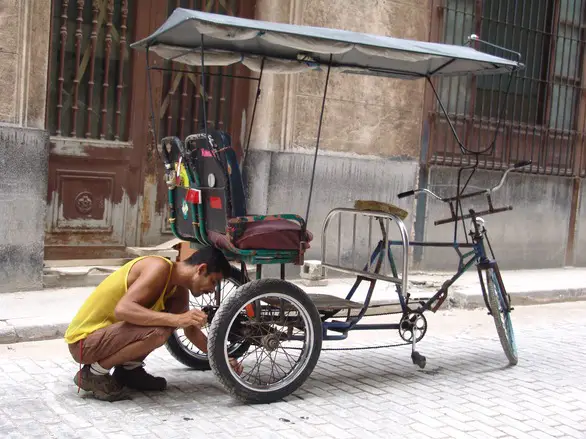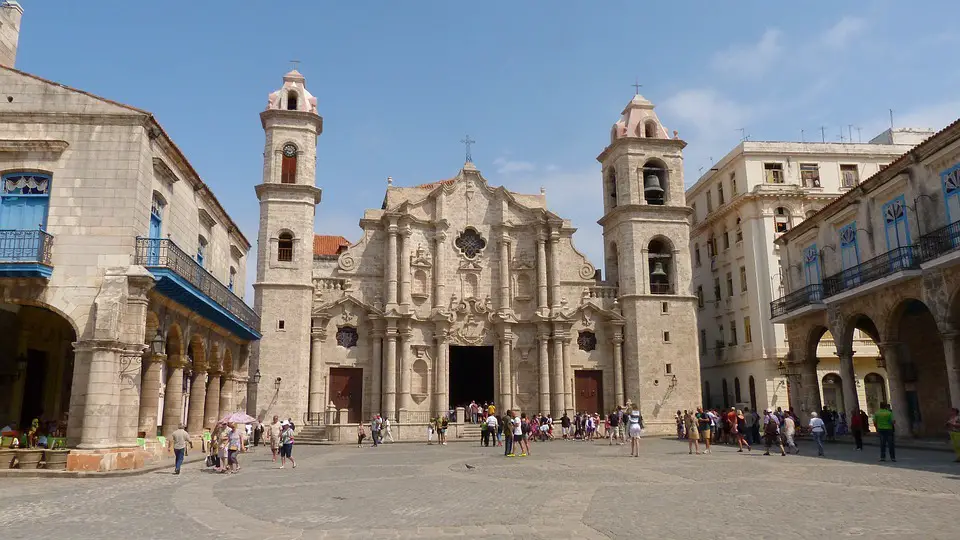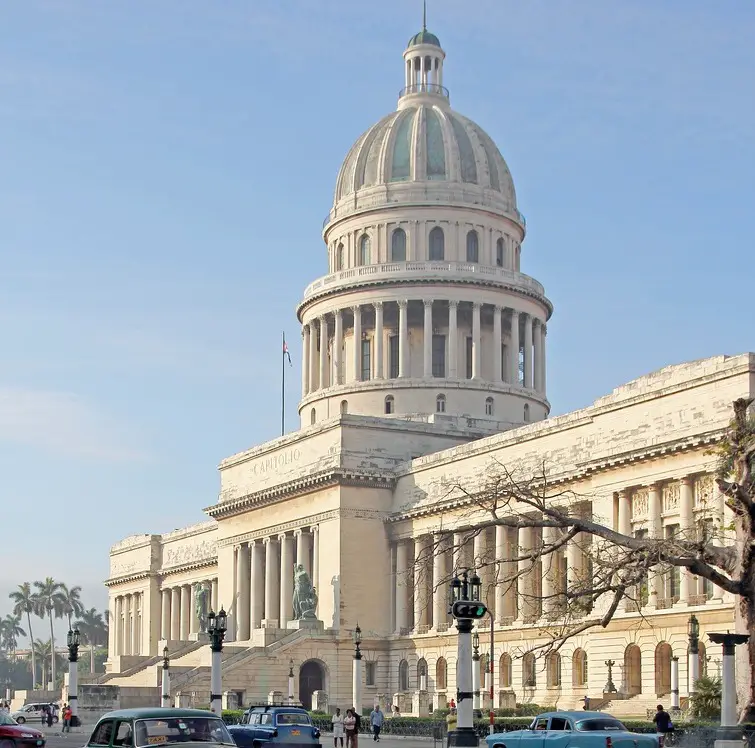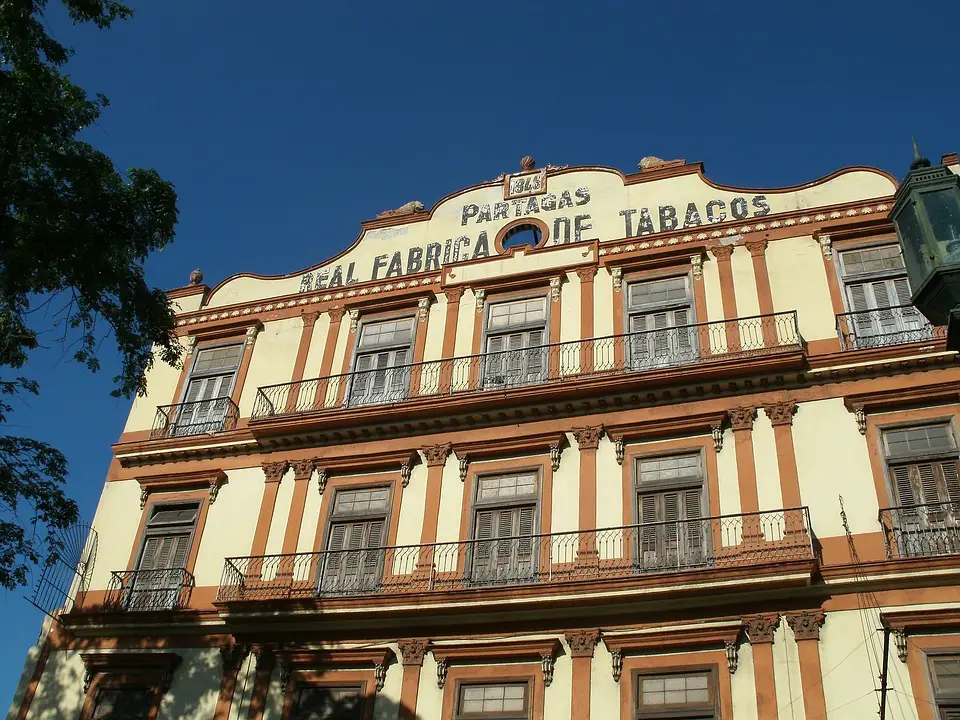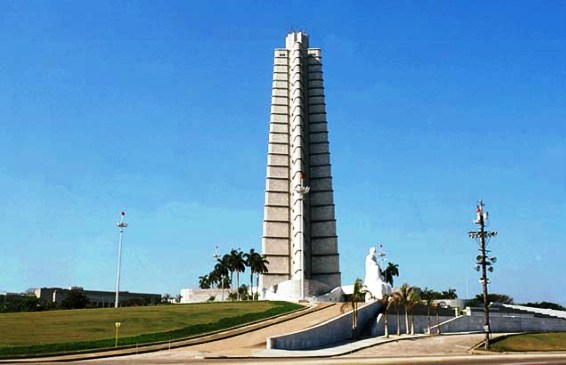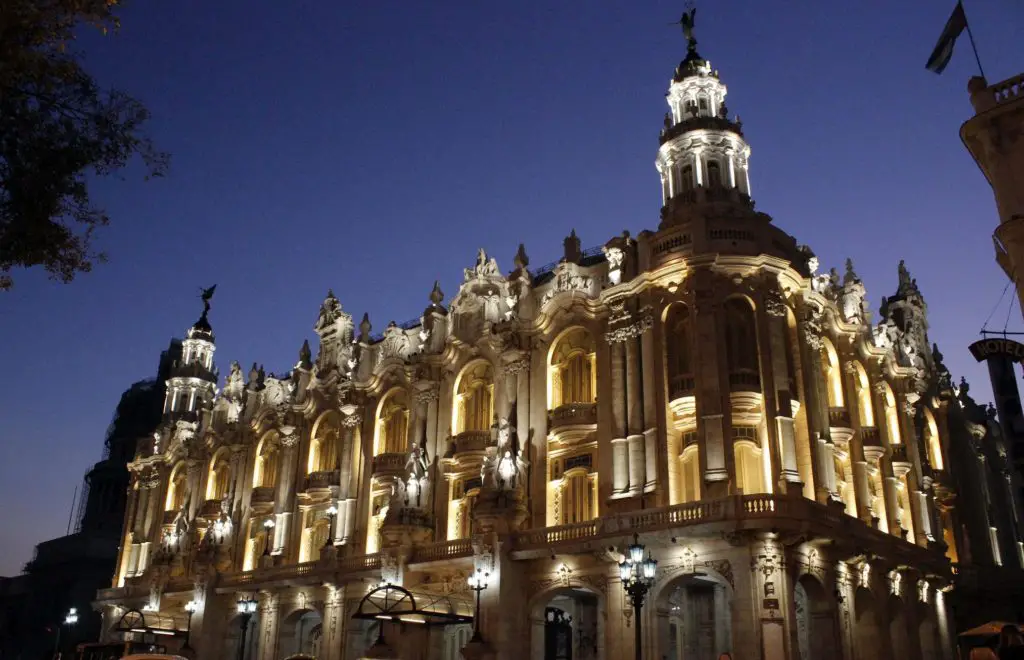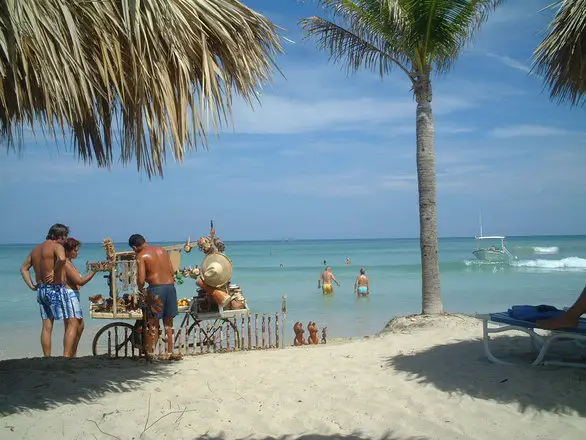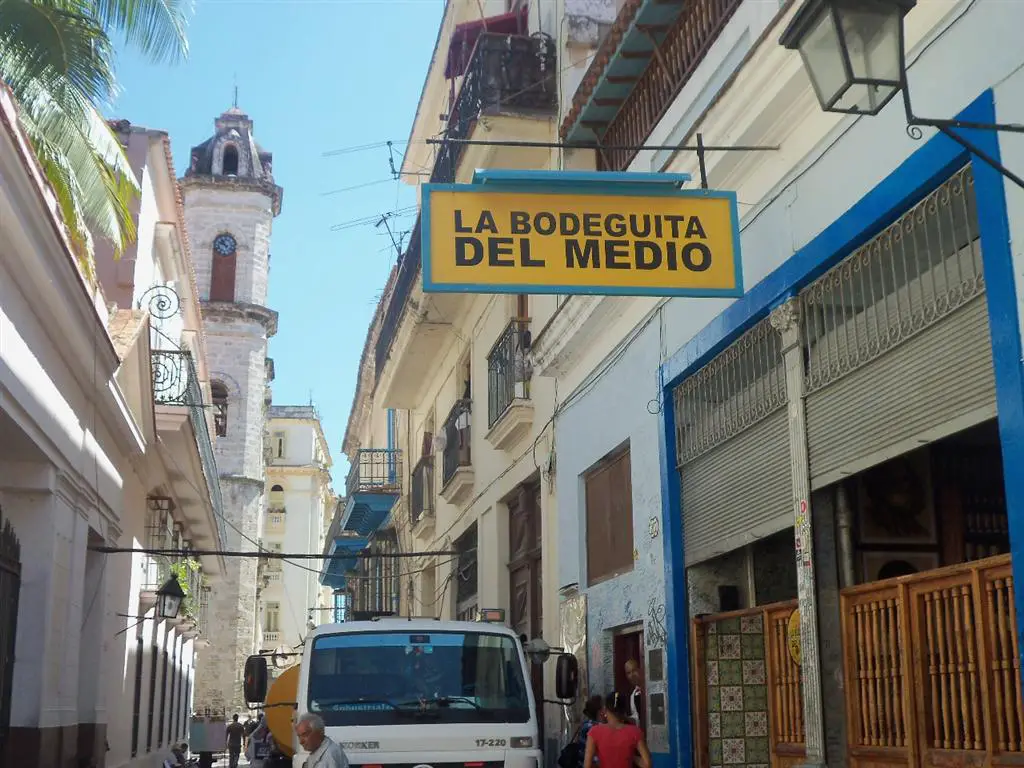
Havana is one of the most seductive and singular cities in the Western Hemisphere — a place of striking contrasts, sublime beauty, and a cultural energy unlike anywhere else on earth. The Cuban capital sits on the northwestern coast of Cuba where the Gulf of Mexico meets the Atlantic, just south of the Florida Keys.
Havana has a subtropical climate with two seasons — a dry season (November–April) and a humid season (May–October). Spring (March–May) is the finest time to visit — warm but not oppressive, with cool nights. Summer (June–August) is hot and humid with heavy afternoon showers. Winter (November–February) is pleasant with occasional cool fronts; January is the coldest month with temperatures occasionally dipping to 14°C (57°F).
The city's residents — the Habaneros — are known for being imaginative, cheerful, highly educated, and extraordinarily hospitable. Approaching a stranger for directions or a conversation is not just acceptable in Havana; it's welcomed.
Language
Spanish is the official language. English is increasingly spoken, especially in tourist areas. Habaneros are famously creative communicators — even a language barrier rarely stops a genuine exchange.
Currency
Cuba has undergone currency reform — the dual CUC/CUP system has been unified into the Cuban peso (CUP). US credit and debit cards do not work in Cuba. Bring cash — euros and Canadian dollars exchange more favorably than USD. Change money only at official banks or CADECAs (official exchange bureaus), never on the street.
Visa
All visitors require a Cuba tourist visa-card before entry. US citizens face additional travel category restrictions — check current US government regulations carefully before planning a Cuba visit.