
Puerto Limón is the capital city of Costa Rica's Limón province — the country's Caribbean-facing coast, stretching 125 miles of shoreline between Nicaragua and Panama. This is Costa Rica's most geographically diverse region: mangrove wetlands, dense rainforest, and the towering Cordillera de Talamanca — thought to be the most unexplored mountain range in all of Central America.
Christopher Columbus "discovered" this coast on his final voyage to the Americas in 1502. The Spanish attempted to colonize the Caribbean lowlands but eventually abandoned the effort — defeated by the climate and the determined resistance of the indigenous people. Most of Limón's residents today have Afro-Caribbean ancestry, a community that was not recognized as Costa Rican citizens until 1948 and whose movement was restricted to the province until that year.
Limón is not a tourist destination in the conventional sense — there are no mega-resorts, no fast food chains, and no large-scale development. It is a jumping-off point for some of the most extraordinary ecotourism on earth. National parks make up a quarter of the province's landmass. The rainforests here are among the most lush and biodiverse on the planet.
Check out these excursions in Limón, Costa Rica.
Know Before You Go
Hot Tip
Limón, Costa Rica – Quick Facts
Where You Dock in Limón, Costa Rica
Pier locations and what's available at each terminal.
Puerto Limón has a dedicated cruise ship pier separate from the main cargo port (which handles Costa Rica's banana, pineapple, coffee, and sugar exports). The cruise dock is approximately 250 yards from the city center.
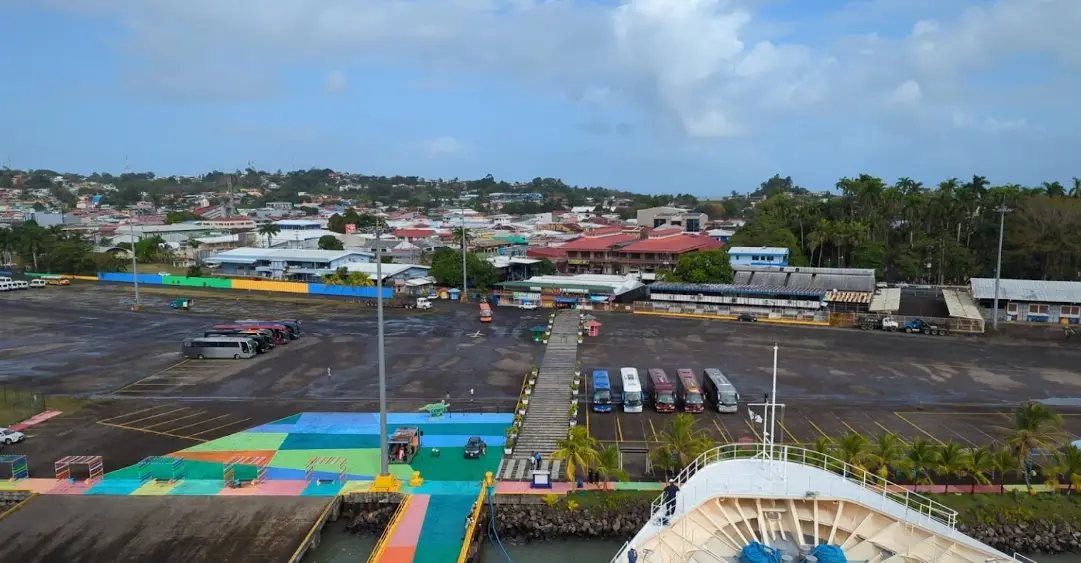
The terminal has a welcome center, souvenir market, and a desk for local tour operators offering excursions to national parks and city tours. Taxis are readily available at the pier.
Here's an aerial 360° view of the port and town from Vargas de Limón Park, located next to the cruise terminal — use your mouse or fingers to look around:
Getting Around Limón, Costa Rica
Transportation options once you're ashore.
🚶 Walking
The city is fairly small and most interesting areas are walkable, but stay on the beaten path and in public places. A three-block walk along the seawall connects the port with the northern part of the city. Vargas de Limón Park (adjacent to the pier) is a pleasant starting point for any walk into town.
🚕 Taxis (Red Taxis)
The recommended transportation option for going further afield. Red taxis ("rojos") can be hired at the cruise terminal or dockside — look for the yellow triangle on the door, which identifies authorized and licensed cabs. These are the only licensed taxis in Limón. Although fares are posted, rates are negotiable. Confirm the driver understands your destination before getting in — English can be limited. Uber is not reliably available in Limón. Avoid motorbike taxis.

🚌 Buses
Various private companies operate buses from a terminal just beyond the museum on Avenida 2 — serving Cahuita, Moin, and San José. Fares are inexpensive (a few dollars) but buses are loosely scheduled and make frequent stops. San José is three hours each way; Cahuita is one hour. Given the risk of missing the ship due to delays, buses are not recommended for cruise passengers unless you have significant time buffer.
🚗 Car Rental
Minimum age 21 (surcharge for ages 21–24). Valid photo driver's license, passport, and major credit card required. Driving is on the right. Available rental companies: Adobe Car Rental · Alamo · National Costa Rica
Things To Do in Limón, Costa Rica
Make the most of your time ashore.
🍽️ Limón's cuisine reflects its extraordinary cultural mix — indigenous, African, Spanish, and Dutch influences combined with abundant fresh seafood, tropical produce, and coconut milk. This is the most distinctive regional cuisine in all of Costa Rica:
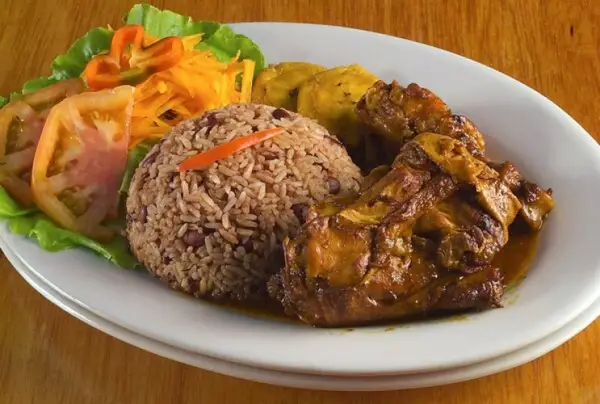
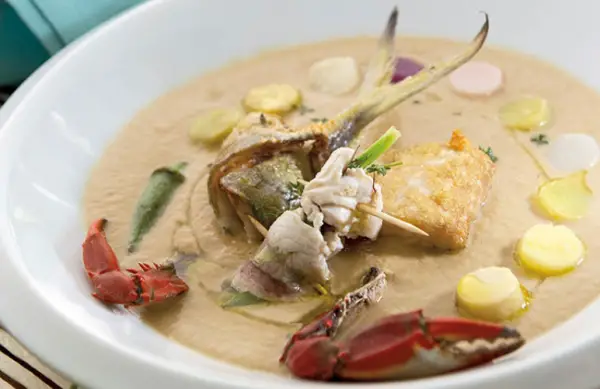
Local Dishes to Try — Rice and Beans (Limon-style) — the Caribbean version made with coconut milk, thyme, and peppers, served with fried plantains and chicken. Rondon — a rich seafood stew with starchy vegetables, fresh catch, coconut milk, breadfruit, and spices. Also look for Johnnycakes, jerk chicken, empanadas (called pati), and sweet breads.
Maestros Wine & Grill
Two blocks from the cruise pier · Upscale · $$$
The highest-rated restaurant near the port — steak, pizza, fish tacos, and ceviche in a lovely atmosphere with excellent wine pairings and friendly staff. The best option for a quality sit-down meal close to the ship.
Caribbean Kalisi
~10 min walk from pier · Cafeteria-style · Family-run
A large variety of local favorites served cafeteria-style — choose pasta or salad, a side, a protein, and cooked plantains. The coffee receives high marks. Air conditioning, WiFi, and credit cards accepted. An excellent and authentic option for a filling local meal.
Taylor's Dine and Grill
Puerto Limón · Caribbean Cuisine
A popular local go-to for Caribbean cooking — clean, friendly, and good value. Rice and beans with oxtail is the dish to order. Credit cards accepted and many staff speak English. Generous portions at fair prices.
Red Snapper
~8 min taxi from port · Panoramic Views · Seafood
Outside downtown but worth the short taxi ride for the panoramic views and extensive seafood menu with a wine list. Pizza also on the menu. One of the better all-around dining experiences in the Limón area.
Beaches & Outdoors in Limón, Costa Rica
The best beaches, parks, and outdoor experiences for cruise passengers.
Cahuita National Park / Playa Blanca
About 50 minutes south — the best snorkeling on Costa Rica's Caribbean coast. Turquoise water, white sand, and the most well-preserved coral reef in Costa Rica accessible directly from shore. The Playa Blanca entrance is closest to Limón and entry is pay-what-you-can (cash). Open daily 8am–4pm. Guides available for wildlife trail tours and snorkel site guidance. See this private excursion to Cahuita and a banana plantation.
Playa Negra (near Cahuita)
A classic Caribbean black-sand beach near Cahuita village with a laid-back local vibe. Less touristy than the national park beaches, with a handful of bars and casual restaurants nearby.
Playa Bonita
About 10–15 minutes by taxi from the port — the most convenient tourist beach near Limón. Beachside bars and restaurants on site. Note that the beach is smaller than photographs suggest and the undertow can be strong — not ideal for swimming, but pleasant for a drink and a walk.
Playa Piuta
The closest beach to the terminal — walkable in about 30 minutes. More rocky than sandy, with shaded seating and a couple of nearby bars. Good for views and cooling off at the water's edge, not for swimming.
Shopping in Limón, Costa Rica
Where to shop and what to look for.
🛍️ Limón is not a major shopping destination — most shops cater to residents rather than tourists. The open-air market near the pier and the terminal souvenir market are the main options. What Limón lacks in retail it makes up for in genuinely distinctive local products:
What to Buy
Costa Rican Coffee & Chorreador — Costa Rica produces some of the world's finest coffee. A chorreador is the traditional Costa Rican coffee-making device — a wooden stand with a cloth filter — often colorfully decorated and beautiful enough to display as art. Café Britt is the premier local brand.
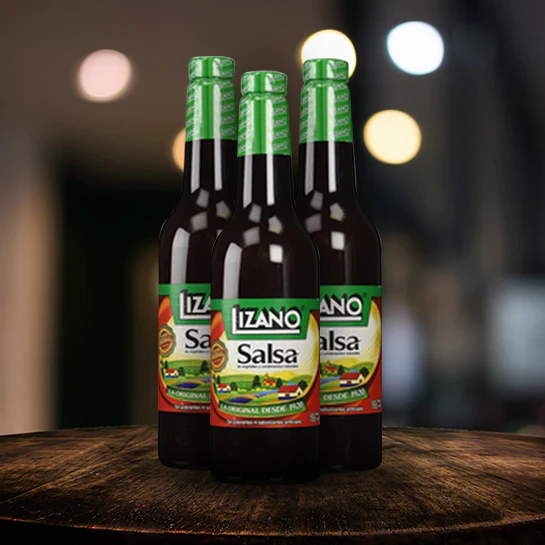
Salsa Lizano — Costa Rica's most iconic condiment, on the market for over 90 years. Similar to Worcestershire sauce — available at any local grocery store and a genuinely useful and authentic culinary souvenir.
Cashews & Cashew Wine — The Limón region is known for growing cashews. Since the cashew is technically a fruit, wine is a natural byproduct — an unusual and uniquely local purchase.
Fresh Tropical Fruit — Costa Rica grows extraordinary fruit. Try tree-ripened bananas, fresh pineapple, maracuyá (passion fruit), pitaya (dragon fruit), or momoncinos (a type of lychee). Note that fruit and plants cannot be taken back aboard the ship.
Leather Goods — Local Limón artisans produce leather boots, purses, and decorative pieces with unique regional patterns and designs.
Dining in Limón, Costa Rica
Where to eat and drink ashore.
🍽️ Limón's cuisine reflects its extraordinary cultural mix — indigenous, African, Spanish, and Dutch influences combined with abundant fresh seafood, tropical produce, and coconut milk. This is the most distinctive regional cuisine in all of Costa Rica:
Local Dishes to Try — Rice and Beans (Limon-style) — the Caribbean version made with coconut milk, thyme, and peppers, served with fried plantains and chicken. Rondon — a rich seafood stew with starchy vegetables, fresh catch, coconut milk, breadfruit, and spices. Also look for Johnnycakes, jerk chicken, empanadas (called pati), and sweet breads.
Maestros Wine & Grill
Two blocks from the cruise pier · Upscale · $$$
The highest-rated restaurant near the port — steak, pizza, fish tacos, and ceviche in a lovely atmosphere with excellent wine pairings and friendly staff. The best option for a quality sit-down meal close to the ship.
Caribbean Kalisi
~10 min walk from pier · Cafeteria-style · Family-run
A large variety of local favorites served cafeteria-style — choose pasta or salad, a side, a protein, and cooked plantains. The coffee receives high marks. Air conditioning, WiFi, and credit cards accepted. An excellent and authentic option for a filling local meal.
Taylor's Dine and Grill
Puerto Limón · Caribbean Cuisine
A popular local go-to for Caribbean cooking — clean, friendly, and good value. Rice and beans with oxtail is the dish to order. Credit cards accepted and many staff speak English. Generous portions at fair prices.
Red Snapper
~8 min taxi from port · Panoramic Views · Seafood
Outside downtown but worth the short taxi ride for the panoramic views and extensive seafood menu with a wine list. Pizza also on the menu. One of the better all-around dining experiences in the Limón area.
Top Tours & Shore Excursions
Book before you board for best availability and pricing.
Highlights of Limon
⏱ 6 hours · Moderate activity
Best of Costa Rica on this 6 in 1 tour! Have a short city tour, trek through the jungle, visit a banana plantation, expe...
Book This Tour →Highlights of Limon
⏱ 6 Hours · Moderate activity
<p> See the best of Limon on this jam-packed tour! It begins with a short city tour, then stretch your legs on a 45 minu...
Book This Tour →Jungle Cruise & Canopy Zip Adventure - Limon
⏱ 6 Hours · Moderate activity
<p>Your tour begins with a boat ride on the Tortuguero Canals. Board your covered boat for a 60-minute leisurely cruise ...
Book This Tour →Jungle Cruise & Canopy Zip Adventure Combo
⏱ 5 hours · Moderate activity
Take a leisurely cruise among the canals of Costa Rica through the rainforest while your guide points out wildlife and t...
Book This Tour →Private Vehicle and Guide Half Day - Limon
⏱ 4 Hours · Easy activity
<p>Customize your own tour and explore the beauty of Puerto Limon! Sit back and relax while your private tour guide take...
Book This Tour →Rainforest & Banana Exploration
⏱ 4 hours · Moderate activity
Visit the Jungle Breezes-Reserve where you’ll take a a guided walk through the luscious flora and fauna of Costa Rica. V...
Book This Tour →Limón, Costa Rica – FAQ
Common questions from cruise passengers.
What is Costa Rica known for?
Costa Rica is world-famous for ecotourism, biodiversity, rainforests, and wildlife. It's home to 5% of the world's species despite covering less than 0.1% of the earth's surface. Sloths, toucans, monkeys, and poison dart frogs are commonly spotted.
What can I do in Limón Costa Rica on a cruise stop?
Top activities include zip-lining through the jungle canopy, jungle boat tours spotting wildlife, visiting Tortuguero National Park (sea turtle nesting site), banana plantation tours, and white-water rafting on the Pacuare River.
Is Limón safe for cruise passengers?
The cruise terminal area is generally safe. Exercise caution in Limón city itself — most cruise lines recommend booking organized tours and staying within tourist areas.
What wildlife can I see near Limón?
The Caribbean coast of Costa Rica is exceptional for wildlife. Common sightings include three-toed sloths, howler and spider monkeys, toucans, poison dart frogs, caimans, and sea turtles (at Tortuguero).
Cruise Passenger Tips & Photos
Real tips from real cruisers who've visited Limón, Costa Rica.
No tips yet — be the first to share your experience!
Share Your Experience at Limón, Costa Rica
Your tips help other cruisers plan their port day. All submissions are reviewed before publishing.