
Key Takeaways
- Cruises are ideal for disabled travelers since food, entertainment, and accommodations are all in one location, reducing the need to navigate multiple venues.
- Thoroughly research ship accessibility, itinerary ports, and tender boat requirements before booking, as older vessels may have fewer accessible features.
- Check each cruise line's specific mobility scooter policies—some now require scooters to fit inside your accessible cabin to avoid boarding issues.
- Contact the cruise line's special needs department immediately after booking to ensure your accessibility requirements are arranged in advance.
Taking a cruise is more popular than ever, and for travelers with mobility issues, it’s an especially appealing vacation option. Everything you need—food, entertainment, socializing, and accommodations—is conveniently located in one fun, floating destination. No need to navigate multiple hotels, restaurants, or entertainment venues. For disabled travelers eager to explore the world, a cruise offers unparalleled ease, allowing you to visit multiple destinations without the hassle of frequent flights or excessive movement.
That said, preparation is key to ensuring a seamless experience for yourself and your travel companions. As a part-time wheelchair user, I’ve learned that a little planning goes a long way. Here are my top tips to ensure smooth sailing when cruising with a disability, expanded with practical advice and insights to help you make the most of your journey.
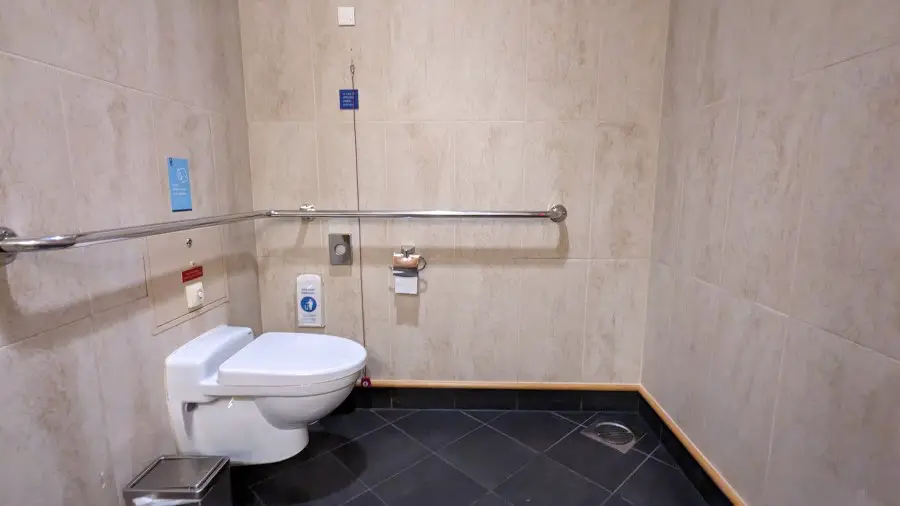 However, not all ships are created equal. Older vessels may have fewer accessible features, so check the ship’s layout and specifications. Websites like Cruise Critic or the cruise line’s official accessibility page provide detailed information. Also, consider the itinerary: Are the ports accessible? Will you need to use tender boats? These factors can significantly impact your experience.
Pro Tip: Join online forums or social media groups for disabled cruisers. Platforms like Facebook groups for disabled travelers offer firsthand insights from others who’ve navigated similar challenges.
However, not all ships are created equal. Older vessels may have fewer accessible features, so check the ship’s layout and specifications. Websites like Cruise Critic or the cruise line’s official accessibility page provide detailed information. Also, consider the itinerary: Are the ports accessible? Will you need to use tender boats? These factors can significantly impact your experience.
Pro Tip: Join online forums or social media groups for disabled cruisers. Platforms like Facebook groups for disabled travelers offer firsthand insights from others who’ve navigated similar challenges.
 When booking, consider the room’s location. Cruise ships are massive, so proximity to elevators, dining areas, and entertainment venues can save time and energy. Also, think about embarkation and disembarkation points—being closer to these areas can simplify your journey. Contact the cruise line directly to discuss room options tailored to your needs.
Pro Tip: If elevators are a concern (e.g., in an emergency), request a stateroom on a lower deck near a muster station for added safety.
When booking, consider the room’s location. Cruise ships are massive, so proximity to elevators, dining areas, and entertainment venues can save time and energy. Also, think about embarkation and disembarkation points—being closer to these areas can simplify your journey. Contact the cruise line directly to discuss room options tailored to your needs.
Pro Tip: If elevators are a concern (e.g., in an emergency), request a stateroom on a lower deck near a muster station for added safety.
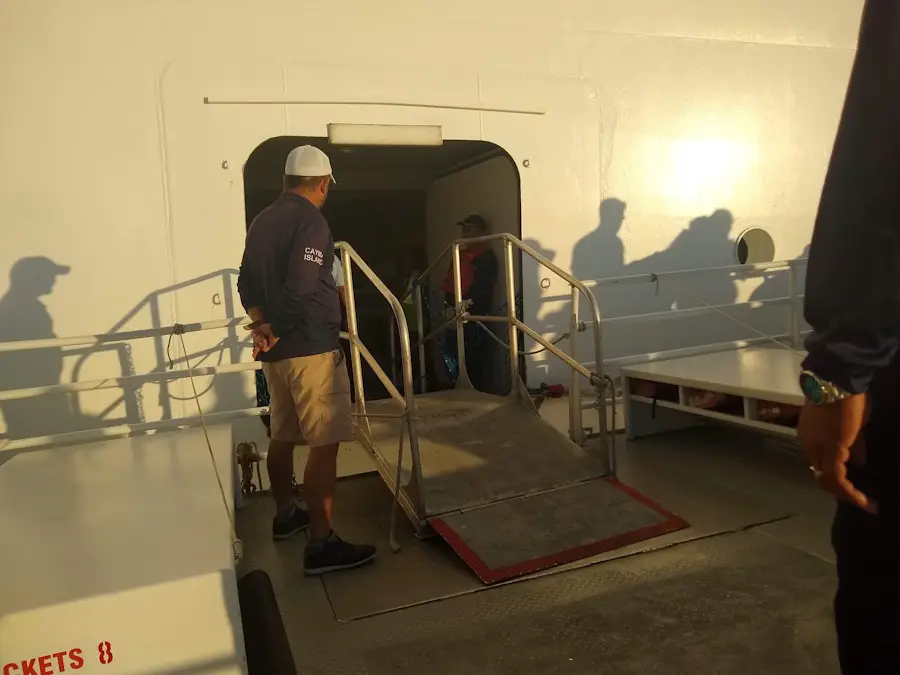 Check your itinerary to see if any ports require tenders. If so, contact the cruise line to confirm their tender accessibility. Some ships have accessible tenders with flat boarding areas, but others may not. In some cases, crew members can assist with boarding, but this depends on your mobility and the equipment you use.
Pro Tip: If tenders seem too challenging, consider staying on board (see below) or choosing an itinerary with docked ports.
Check your itinerary to see if any ports require tenders. If so, contact the cruise line to confirm their tender accessibility. Some ships have accessible tenders with flat boarding areas, but others may not. In some cases, crew members can assist with boarding, but this depends on your mobility and the equipment you use.
Pro Tip: If tenders seem too challenging, consider staying on board (see below) or choosing an itinerary with docked ports.
1. Research Thoroughly Before You Book
The foundation of a great cruise experience starts with thorough research—well before you step on board. Take time to explore your options, considering everything from the ship’s itinerary to the accessibility of onboard facilities. Your top priority should be accessibility. Fortunately, major cruise lines have made significant strides in accommodating disabled guests. Most modern ships are designed with accessibility in mind, offering features like wide doorways, ramps, and accessible public spaces. Dining venues, theaters, and public restrooms are typically fully accessible, with very few areas off-limits to wheelchair users.
However, not all ships are created equal. Older vessels may have fewer accessible features, so check the ship’s layout and specifications. Websites like Cruise Critic or the cruise line’s official accessibility page provide detailed information. Also, consider the itinerary: Are the ports accessible? Will you need to use tender boats? These factors can significantly impact your experience.
Pro Tip: Join online forums or social media groups for disabled cruisers. Platforms like Facebook groups for disabled travelers offer firsthand insights from others who’ve navigated similar challenges.
2. Understand Cruise Line Scooter Policies
If you rely on a cane, walker, or mobility scooter, these tools are essential for navigating the ship’s venues. However, recent changes in scooter policies, particularly from Carnival Cruise Lines, highlight the importance of checking requirements before booking. In March 2024, Carnival announced a significant policy update: scooters must fit inside your accessible cabin. Previously, guests could store scooters in corridors or public areas, but this is no longer permitted due to safety concerns. Scooters left in hallways pose evacuation hazards and obstruct cabin attendants or other mobility device users. At check-in, scooters are measured, and if they don’t fit through your cabin door, you may be denied boarding or offered alternatives like renting a smaller scooter or rebooking on a different ship. This change caused confusion, with some believing scooters were banned entirely or that only foldable models were allowed. Carnival’s Brand Ambassador, John Heald, clarified that the issue isn’t the type of scooter but whether it fits through the cabin door. To avoid surprises, measure your scooter’s dimensions (length, width, height) and confirm with the cruise line that it’s compatible with your cabin. Pro Tip: Other cruise lines, like Royal Caribbean and Norwegian, have similar policies but may differ in specifics. Always check the cruise line’s mobility device guidelines on their official website.3. Notify the Cruise Line’s Special Needs Department
As soon as you book your cruise, contact the cruise line’s special needs department to discuss your requirements. This step ensures they’re prepared to accommodate you from the moment you arrive. The special needs team will ask about your needs and may have questions to clarify how they can assist. Whether it’s arranging priority boarding, providing a shower stool, or ensuring dietary accommodations, early communication sets the stage for a smooth experience. Special Needs Resources by Cruise Line:- Royal Caribbean Special Needs
- Carnival Special Needs
- Norwegian Special Needs
- Disney Cruise Special Needs (official Disney website)
- Holland America Special Needs
4. Communicate Your Needs with Patience and Kindness
As a person with a disability, advocating for your needs can sometimes feel exhausting. However, approaching these conversations with patience and kindness makes all the difference. No one can fully anticipate your specific requirements, so clear communication is essential. In my experience, cruise staff are eager to help when you explain your needs calmly and clearly. For example, if you need a specific accommodation like a shower stool or assistance with embarkation, explain why it’s necessary. I’ve never had a negative experience related to my disability on a cruise, but I’ve seen others create tension by approaching staff with frustration. This not only sours their own experience but also affects those around them. Pro Tip: Carry a small card or note summarizing your key needs. This can be helpful if you’re communicating with multiple staff members or in a noisy environment.5. Book an Accessible Stateroom (If Needed)
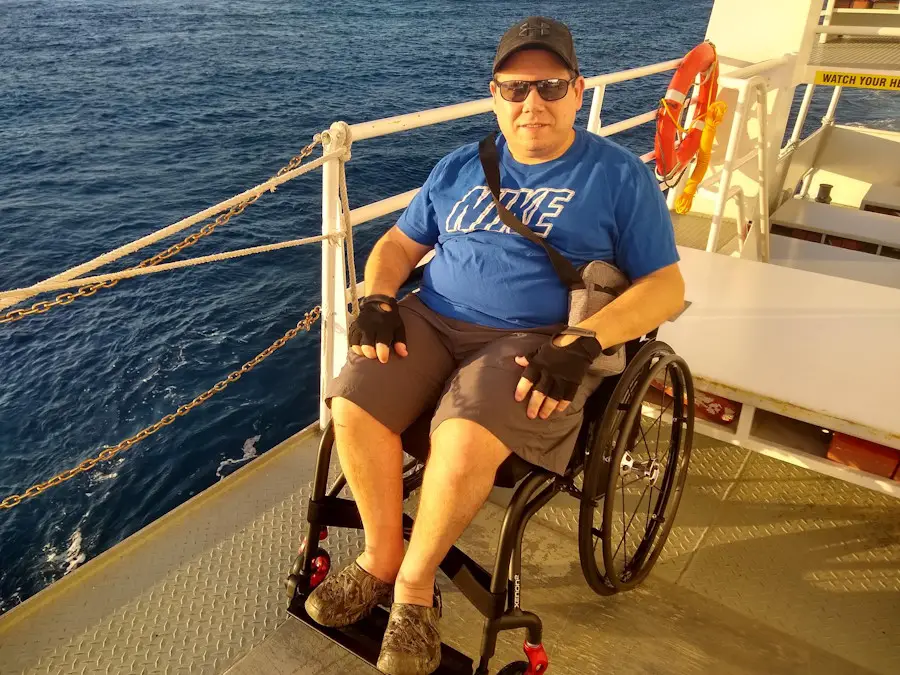
Choosing the right stateroom is critical, especially if you use a wheelchair full-time. Accessible staterooms are designed with wider doorways, roll-in showers, and ample space for mobility devices. However, these rooms are limited, so book early. As a part-time wheelchair user, I often opt for a standard stateroom to leave accessible rooms for those who need them more. My wheelchair doesn’t fit through the door without folding, but I can navigate the room with crutches and keep my wheelchair folded inside. My only accommodation is a shower stool, which cruise lines easily provide. However, if you rely on a wheelchair or scooter full-time, an accessible stateroom is non-negotiable.
When booking, consider the room’s location. Cruise ships are massive, so proximity to elevators, dining areas, and entertainment venues can save time and energy. Also, think about embarkation and disembarkation points—being closer to these areas can simplify your journey. Contact the cruise line directly to discuss room options tailored to your needs.
Pro Tip: If elevators are a concern (e.g., in an emergency), request a stateroom on a lower deck near a muster station for added safety.
6. Verify Destination Accessibility
While ships are generally accessible, the same isn’t always true for ports of call. In the USA and Canada, accessibility standards ensure most ports are wheelchair-friendly, but international destinations vary. Popular ports like Grand Cayman, Costa Maya, and Cozumel are manageable with a wheelchair, but smaller Caribbean ports may have uneven terrain or limited infrastructure. Research each port’s accessibility in advance. Websites like Sage Traveling offer detailed guides on port accessibility. Additionally, check if the port requires tender boats, as these can pose challenges (more on that below).7. Book Accessible Shore Excursions
Exploring ports is a highlight of any cruise, and accessible shore excursions make it possible for everyone to join in. Our partner, Shore Excursions Group, offers excursions labeled as accessible or suitable for limited mobility. Always review the excursion description to confirm it meets your needs. Many cruise lines also provide accessible excursions, such as wheelchair-friendly tours or buses with lifts. Visit the shore excursions desk on board or contact the cruise line in advance to explore options. For example, Royal Caribbean and Norwegian often offer accessible tours in popular ports like Nassau or St. Thomas. Pro Tip: Book excursions early, as accessible options have limited spots. If an excursion isn’t labeled as accessible but interests you, call the provider to discuss potential accommodations.8. Navigate Tender Boats with Care
Tender boats—small vessels that ferry passengers to shore when a ship can’t dock directly—can be tricky for wheelchair or scooter users. While I’ve managed tenders with my manual wheelchair, larger electric wheelchairs or scooters may face challenges due to weight, size, or steep ramps.
Check your itinerary to see if any ports require tenders. If so, contact the cruise line to confirm their tender accessibility. Some ships have accessible tenders with flat boarding areas, but others may not. In some cases, crew members can assist with boarding, but this depends on your mobility and the equipment you use.
Pro Tip: If tenders seem too challenging, consider staying on board (see below) or choosing an itinerary with docked ports.
9. Enjoy the Ship During Port Days
If getting off the ship feels daunting—or if a port isn’t accessible—staying on board can be a delightful alternative. When most passengers disembark, the ship becomes a quiet oasis. Pools, hot tubs, and lounges are less crowded, making it a perfect time to relax or explore the ship’s amenities. I’ve had some of my best cruise moments staying on board, enjoying a peaceful breakfast or having a peaceful lunch without the usual crowds. It’s also a great opportunity to take advantage of spa services or specialty dining at a lower cost. Pro Tip: Check the ship’s daily newsletter for exclusive port-day activities, like discounted spa treatments or trivia games.10. Prepare for Emergencies
While serious issues are rare, it’s wise to plan for the unexpected. Save emergency contacts on your phone, including the cruise line’s guest services, local medical facilities, and your home country’s embassy in each port. Always carry your passport when leaving the ship. If you need medical care and can’t return to the ship, your passport ensures you can travel home. I know the fear of losing it, but the risk of needing it is greater. Pack essentials like water, a credit card, sunscreen, cash, and any medications in a small bag when disembarking. Pro Tip: Consider travel insurance with medical coverage. Policies from providers like Allianz can cover unexpected medical expenses or trip interruptions.11. Bring Necessary Equipment
Ensure you have all required equipment, whether it’s a wheelchair, scooter, or medical supplies. For specialized equipment like oxygen tanks or dialysis machines, contact the cruise line well in advance. Most lines can accommodate needs like refrigerated medication storage or portable dialysis, but this requires planning. Double-check that your equipment is in good condition before traveling. For wheelchairs or scooters, bring a repair kit with spare parts (e.g., tires, batteries) in case of minor issues. If you’re renting equipment, companies like Scootaround deliver scooters directly to your ship. Pro Tip: Pack extra batteries or chargers, as power outlets on ships may differ from those at home. A universal adapter is a lifesaver.12. Work with a Specialized Travel Agent
Booking through a travel agent or disability advocacy group can simplify the process. Organizations like Autism on the Seas offer cruises tailored for various disabilities, not just autism. Similarly, Sage Traveling provides expert advice and accessible travel packages. These groups can handle details like securing accessible staterooms, arranging excursions, or coordinating with the cruise line, saving you time and stress. They also understand the nuances of traveling with a disability, ensuring nothing is overlooked.Why Cruising Is Perfect for Disabled Travelers
As a disabled cruiser, I can confidently say that cruising is not only possible but one of the best ways to travel. Cruise lines go above and beyond to ensure your experience is enjoyable, from accessible facilities to attentive staff. With careful planning, you can explore the world with ease and create memories that last a lifetime. So, grab your wheelchair, scooter, or cane, and set sail. The open sea is waiting, and it’s more accessible than you might think!