Originally written by Diana Greenburg (2016); fully updated and rewritten by the CruisePortAdvisor.com Editorial Team (2025)
For many travelers, exploring new ports is the highlight of cruising.
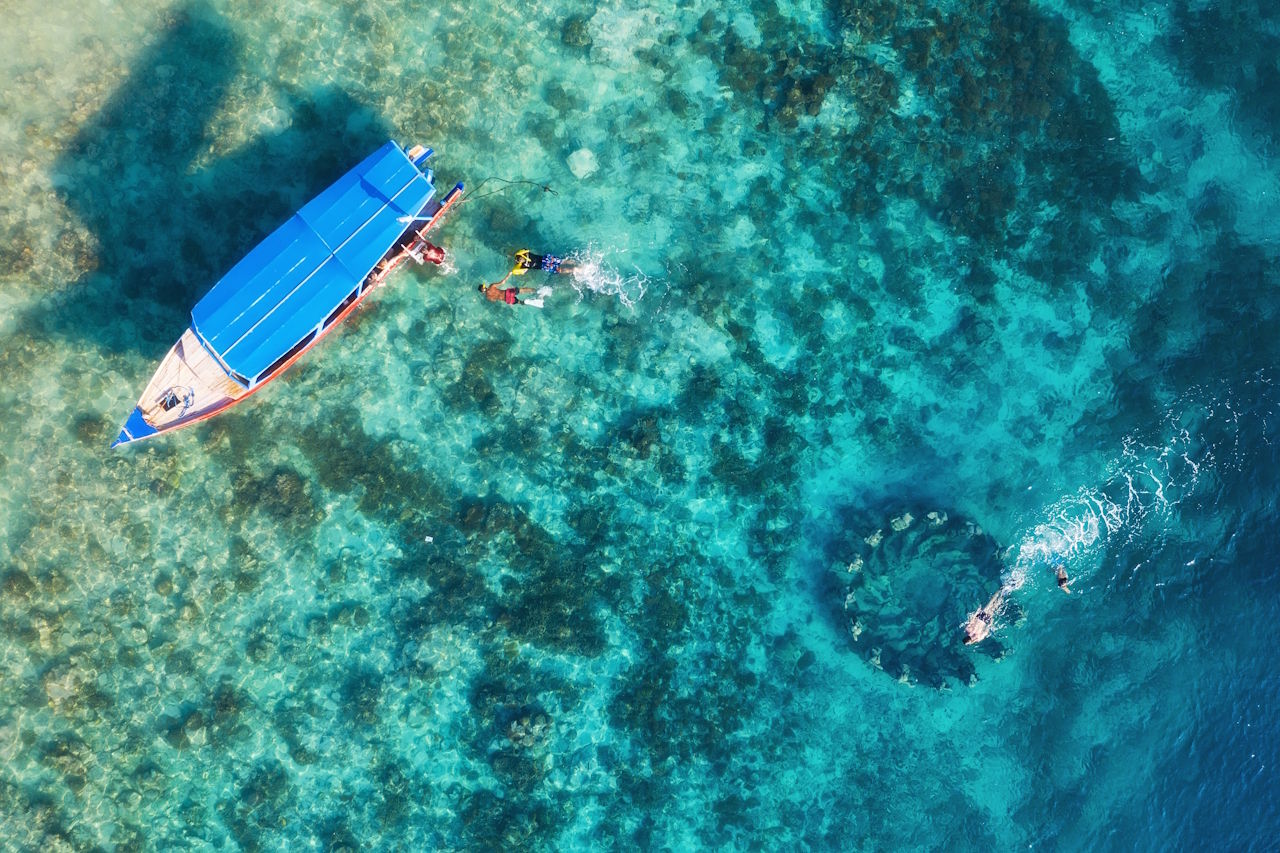
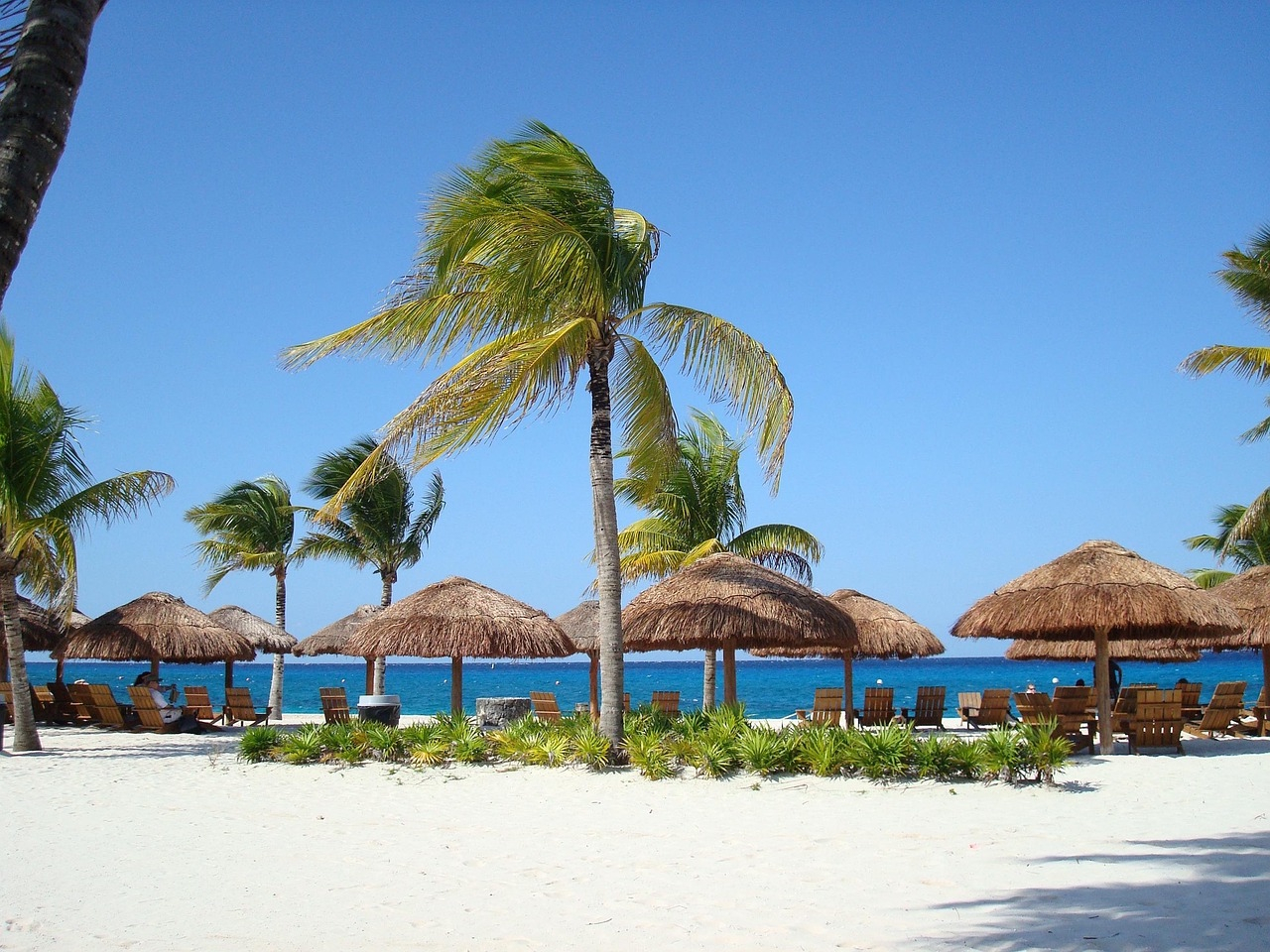
One day you’re drifting above a kaleidoscope of marine life in Grand Cayman; the next you’re wandering vibrant Mexican markets in Cozumel.
Maybe later you’re soaring over Roatán’s jungle canopy or strolling through San Juan’s cobblestone streets.
With so many incredible adventures waiting just beyond the gangway, it’s easy to feel like nothing can go wrong.
And while cruising remains one of the safest ways to travel, a little preparation goes a long way toward keeping your vacation stress-free.
This guide walks you through smart, practical, common-sense safety tips for going ashore—updated for today’s travel realities, modern scams, current health considerations, and the unique characteristics of Caribbean cruise ports.
Whether you’re a first-time cruiser or a seasoned veteran, these tips will help ensure you return to the ship happy, healthy, and right on time.
Why Shore Safety Matters More Today Than Ever
The world has changed since the original version of this article was written in 2016. Today’s ports are busier, more commercialized, and at times more unpredictable.
Social media has made tourists more visible targets. Some ports have seen an increase in petty theft, while others face unique environmental risks or stricter safety guidelines.
At the same time, cruise ships have improved safety briefings, and port infrastructure has modernized in many regions. When travelers stay alert and make smart choices, incidents remain rare.
Your goal isn’t to be fearful—it’s to be aware. And awareness lets you relax and enjoy everything your port of call has to offer.
1. Protect Your Health: Staying Well While Exploring
Keep It Clean—Your Hands, Especially
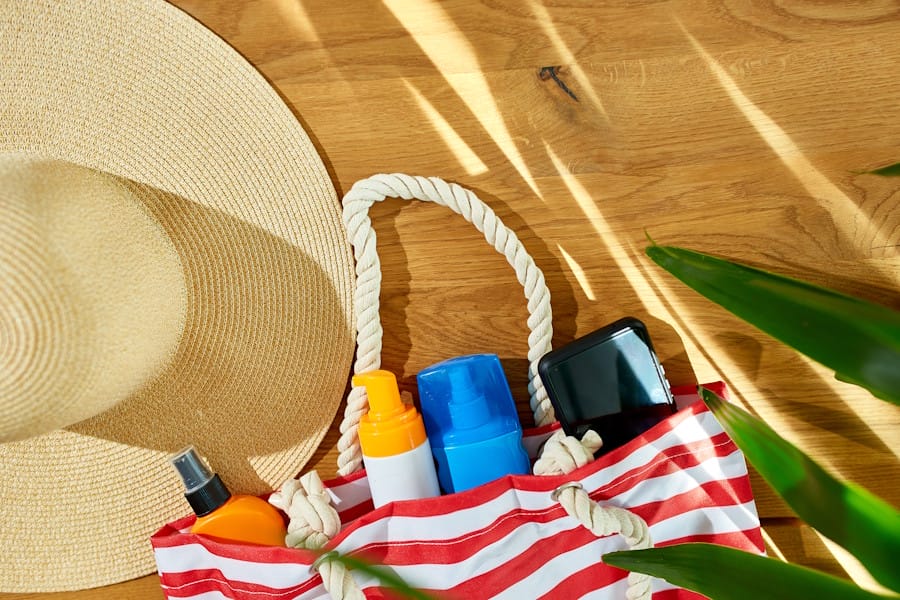
When you’re traveling, your hands touch everything: ship railings, excursion vehicles, taxi door handles, souvenir stalls, restaurant menus, snorkeling equipment, public restrooms, and more.
Pack:
-
A small hand sanitizer (travel-size is perfect)
-
Sanitizing wipes (useful for restaurant tables or excursion gear)
-
A tiny pack of tissues (some bathrooms charge, or run out)
Cruise ships operate at extremely high hygiene standards, but ports vary widely. Good hand hygiene prevents most vacation-ruining stomach bugs.
Sun Protection: It’s Not Just for the Beach
In the Caribbean, the sun doesn’t play around. UV levels can be extreme even on cloudy days, and many travelers underestimate how quickly they can burn—even while walking city streets or taking a short excursion.
Bring:
-
Reef-safe sunscreen (many islands now require it by law)
-
A brimmed hat or cap
-
UV clothing or a light long-sleeve
-
Polarized sunglasses
-
Lip balm with SPF (most people forget!)
Bonus tip: apply sunscreen before you leave the ship—not when you’re already sweating on the pier.
Tackle the Bugs
Mosquito-borne illnesses (like dengue, chikungunya, and historically Zika) vary by region and season. Risks fluctuate, but it never hurts to be prepared.
What helps:
-
Light but effective repellant (DEET, picaridin, or oil of lemon eucalyptus)
-
Wearing light-colored clothing
-
Avoiding still water and heavy vegetation at dawn/dusk
If traveling with kids, double-check the safety recommendations for repellant concentrations.
Pack for the Weather That Caribbean Forecasts Don’t Show
The Caribbean is famous for “sunshine with a side of surprise rain.”
A five-minute downpour is totally normal.
Useful items:
-
Compact umbrella
-
Ultra-light rain jacket
-
Waterproof phone pouch
Islands like St. Thomas, St. Lucia, San Juan, and Dominica can have unpredictable tropical microclimates—sunny at the pier, raining five blocks away.
2. Protect Your Belongings: Pickpocketing, Bags & Gear

Keep Valuables Close—and Invisible
This rule hasn’t changed in decades: if it’s shiny, new, or expensive-looking, keep it out of sight.
Some best practices:
-
Use cross-body bags, ideally anti-theft style
-
Do not carry wallets in back pockets
-
Avoid leaving tote bags unattended on the beach, even for “just a minute”
-
Never hang bags on the back of chairs at cafés or bars
Cruise ports are generally safe, but like any tourist-heavy area, you’ll encounter the occasional opportunistic pickpocket.
Be Smart With Cameras and Gear
If you carry expensive photography equipment or drone gear:
-
Use a generic/non-branded bag
-
Keep logos covered or removed
-
Don’t swap lenses or accessories in crowded areas
-
Avoid showing off gear near busy taxi stands or markets
Thieves look for easy targets, not challenges. Subtlety is your best protection.
Be Careful With Your Phone
Phone theft in tourist zones worldwide has risen sharply. Common scenarios include:
-
Grab-and-run theft while taking photos
-
Distraction scams (someone bumps you while another grabs your phone)
-
Pickpocketing during crowds or street shows
Keep a wrist strap attached to your phone when taking photos. It sounds silly but genuinely prevents accidents.
3. Navigation & Local Awareness—Know Where You’re Going

Old Advice Still Applies: Don’t Wander Aimlessly
It’s easy to get lost in winding old towns or rural areas—and not every neighborhood near a port is tourist-friendly.
To avoid trouble:
-
Grab a map from the ship or tourist booth
-
Download offline maps on your phone before disembarking
-
Pin the exact location of the cruise pier
-
Stay on well-traveled streets
Ports like San Juan, Philipsburg (St. Maarten), Nassau, and Cozumel are well mapped and safe when you remain in established tourist zones.
The Road Less Traveled Isn’t Always the Best Choice
That picturesque little side alley might look Instagram-worthy, but avoid quiet streets with no other tourists around—especially:
-
In unfamiliar cities
-
In ports with known petty crime issues
-
At dusk or after dark
Cruise ports are safest during regular port hours; after sunset, stick to busy and well-lit areas.
Sidewalks and Infrastructure—Not Always Perfect
Many islands have uneven sidewalks, gaps for drainage, or poorly lit areas. A simple misstep can cause injury—and nothing ruins a cruise faster than a sprained ankle.
Wear:
-
Sturdy walking shoes
-
Sandals with supportive straps (not flip-flops for long walks)
-
Sneakers for cities with hills (Castries, Philipsburg, Basseterre)
Look Both Ways—and Then Look Again
In several islands (e.g., Barbados, Bermuda, St. Kitts, St. Thomas), vehicles drive on the left side of the road.
Crossing streets may feel counterintuitive. Don’t assume the car is coming from where you’d expect—always double-check.
4. Time Management: The Most Important Safety Rule of All
Set Your Watch to Ship Time—Always
“Ship time” may or may not match local time, depending on:
-
Time zones
-
Daylight savings
-
The captain’s operational decisions
-
Weather routing
Never rely on:
-
Your phone (it may automatically switch time zones)
-
Island clocks
-
Restaurant clocks
-
Local tour guides
If you have a smartwatch, disable automatic time zone updates before exiting the ship.
Why It Matters: The Ship Will Not Wait
This is where many cruisers get in trouble.
If you are on a cruise line–operated excursion, the ship will wait, or they will arrange transportation to the next port if something happens.
If you’re on your own excursion or exploring independently, you’re responsible for getting back.
Delays happen more often than you might think:
-
Traffic jams in Cozumel, Nassau, or Ocho Rios
-
Ferry delays in St. Thomas or St. Maarten
-
Road construction in Belize
-
Flat tires or breakdowns
-
Sudden tropical storms
Just plan to be back at the port at least one hour before all-aboard time (two hours for tender ports).
5. Safety With Transportation & Tours
Choosing Transportation Wisely
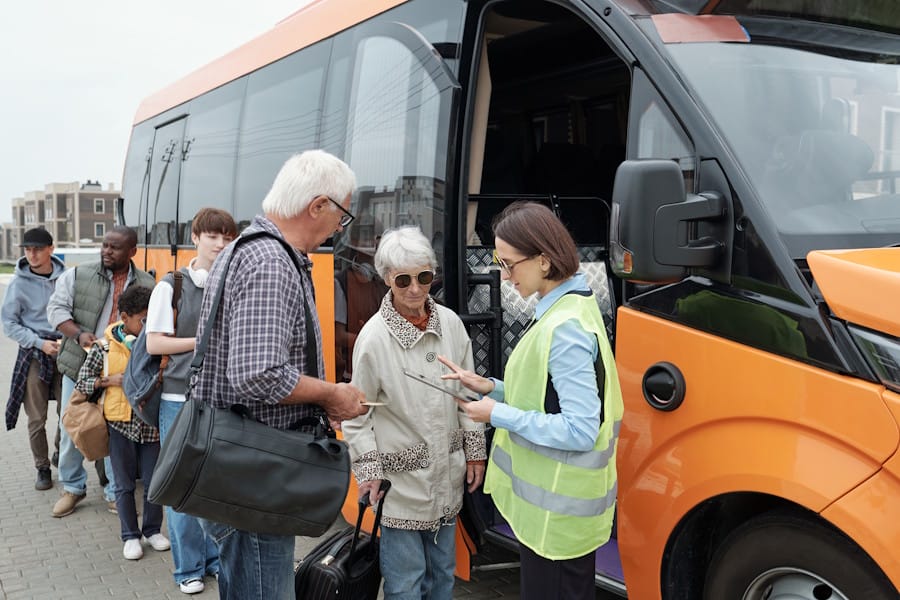
Independent taxis and tours can be great—and often cheaper—but choose carefully.
Do:
-
Look for licensed taxis (marked and metered where applicable)
-
Ask the cost before entering the vehicle
-
Avoid unmarked cars
-
Book through reputable, well-reviewed operators
-
Save the taxi number in case you need a return ride
Don’t:
-
Accept “cheap” offers from people walking the pier looking for customers
-
Ride scooters or motorcycles unless you’re highly experienced
-
Use ride-sharing apps in countries where they are not regulated
Scooter accidents are one of the most common injuries among cruise passengers in Caribbean ports.
Ship Excursions vs. Independent Tours
Ship excursions are best when:
-
The port is tendered
-
There is long travel to the destination (e.g., Tulum from Cozumel)
-
You’re heading to remote nature areas
-
You’re visiting islands with heavy traffic patterns
-
Weather is unpredictable
Independent tours are great when:
-
You want flexibility
-
You’ve researched the operator well
-
The activity is close to the ship
-
It’s a simple beach day or walkable activity
Your budget matters, but your safety and timely return matter more. If you’re looking for reputable independent tours, use a company like Shore Excursions Group.
6. Stay Situationally Aware—Without Feeling on Edge
Blend In (As Much as Possible)
Tourists stand out naturally, but you can still avoid unnecessary attention.
Tips:
-
Don’t flash large sums of cash
-
Keep jewelry minimal
-
Avoid loud or flashy displays of wealth
-
Learn a few polite phrases in the local language
-
Be respectful of local customs, neighborhoods, and photography rules
When you treat locals respectfully, you’re far more likely to receive the same in return.
Avoid Being “Photoblivious”
The perfect photo is not worth stepping into traffic, onto slippery rocks, or into crowds.
Be aware of:
-
Cars
-
Bikes
-
Stray animals
-
Uneven ground
-
Cliff edges or shorelines
-
People trying to sell “photo opportunities” with wildlife
Which brings us to…
Do Not Touch or Hold Wildlife
Yes, someone really did grab a wild iguana in St. Thomas for a photo op.
No, you should not.
Beyond the risk of bites, scratches, or legal issues, handling wildlife harms ecosystems and often exploits the animals.
If someone offers:
-
A monkey
-
A parrot
-
An iguana
-
A sloth
-
A baby animal
—decline politely. These interactions are rarely ethical or safe.
7. Food & Drink: Enjoy Yourself…with Care
Street Food & Local Cuisine
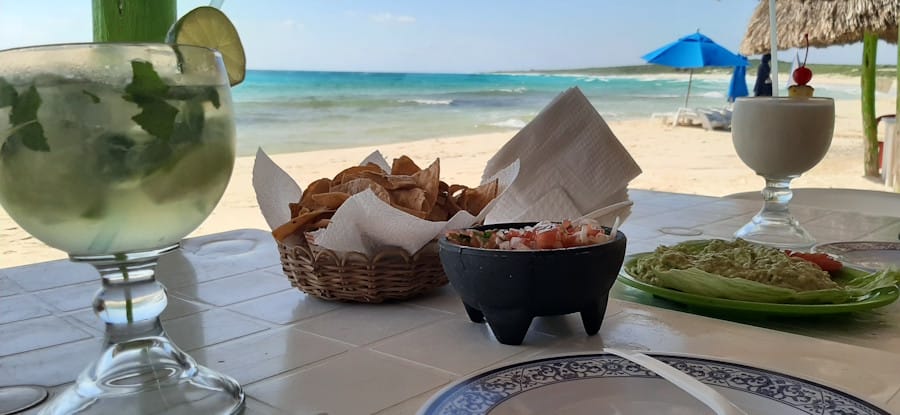
Trying authentic food is part of the cultural experience—just choose wisely.
Look for:
-
Busy food stands (high turnover = fresher food)
-
Vendors wearing gloves
-
Clean cooking equipment
-
Freshly prepared items (avoid things sitting in the sun)
If you’re sensitive to stomach issues, avoid:
-
Raw foods
-
Dairy-heavy dishes
-
Unfiltered water or ice from unknown sources
Most restaurants near major ports are perfectly safe, but your stomach may disagree with unfamiliar ingredients.
Alcohol + Sun = A Dangerous Mix
One of the most common (and avoidable) cruise injuries is alcohol-related accidents. Sun exposure intensifies alcohol’s effects and dehydration.
Remember:
-
Drink water between cocktails
-
Avoid mixing alcohol with intense physical excursions
-
Be aware of extremely strong local drinks (“Painkiller,” “Junkanoo Punch,” “Mama Juana,” etc.)
-
Always know how to get back to the ship
And never get into a vehicle with a driver who appears impaired.
8. Emergencies & Contact Information
Know How to Reach the Port Agent
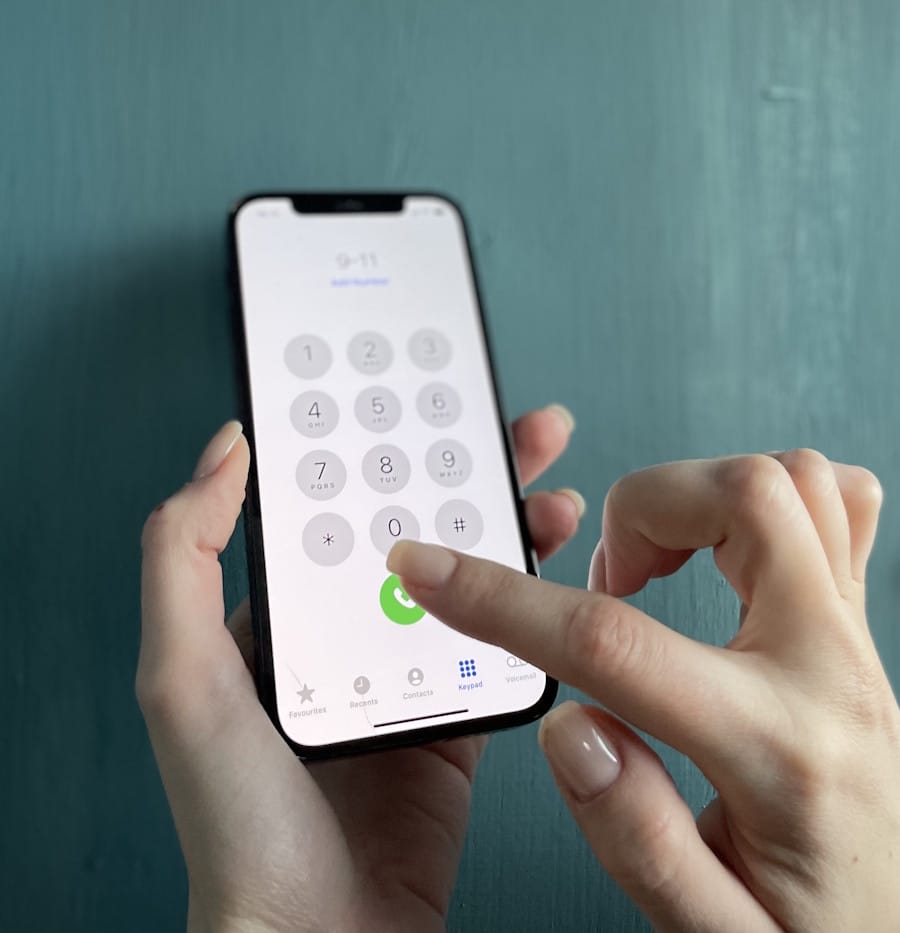
Every ship assigns a port agent in each port—your lifeline if:
-
You miss the ship
-
You get injured
-
You lose your passport
-
You need emergency transportation
-
Legal issues occur
The port agent’s contact info is:
-
In the ship’s daily newsletter
-
Often posted near the gangway
-
In your cruise line’s app
Take a photo or screenshot before disembarking.
Know How to Reach Your Embassy or Consulate
Most Caribbean islands have U.S. consular services available nearby.
Save the number on your phone—just in case.
9. Mental Prep: The Most Important Safety Tool You Have
Use Common Sense
This remains the foundation of safe travel:
-
Don’t get separated from your group
-
Don’t follow strangers into shops or alleys
-
Don’t accept random “free gifts” on the street
-
Don’t argue with aggressive vendors—walk away
-
Don’t swim in unsafe or unsupervised areas
Caribbean islands are warm, welcoming places—but just like anywhere, a little caution goes a long way.
Final Thoughts: Enjoy Your Ports with Confidence
Cruising is one of the safest, most enjoyable ways to explore the Caribbean—and going ashore is where the magic happens. With a bit of preparation, a dose of awareness, and these practical tips in mind, you’ll be well-equipped to enjoy each destination fully and safely.
Remember:
-
Pack smart
-
Protect yourself from sun, dehydration, and bugs
-
Stay aware of your surroundings
-
Keep track of ship time
-
Treat locals and wildlife with respect
-
Don’t take unnecessary risks
Do this, and your port days will be unforgettable for all the right reasons.
This page contains affiliate links for which we may receive financial compensation when a purchase has been made through one of our affiliate partners.

Jonathon is the tech guy behind CruiseportAdvisor.com. When he’s not stuck in front of his computer, Jonathon enjoys travel & cruising (even after being on a cruise ship that caught fire – a story for another day!)