
Tortola is the largest of the British Virgin Islands — a chain of 50 islands of which only 15 are inhabited. Spanish for "Turtle Dove," Tortola is the commercial and governmental capital of the BVI, home to about 80% of the territory's population of 30,000. Road Town is its only urban center.
Unlike the lush, rainforest-covered islands of the eastern Caribbean, Tortola is mountainous and considerably drier — cacti and succulents are common outside the highlands. This dryness has an extraordinary benefit: with virtually no river runoff clouding the water, the visibility around Tortola is among the best in the Caribbean. The surrounding islands create a natural sea barrier keeping the water exceptionally calm — making Tortola a premier destination for diving, snorkeling, and sailing.
Sage Mountain National Park crowns the island at 1,716 feet and retains some rainforest characteristics. East of Tortola, Beef Island is connected by the Queen Elizabeth Bridge and is home to Terrance B. Lettsome International Airport (EIS). Day trips to Norman Island, Jost Van Dyke, Peter Island, and Virgin Gorda are all feasible from Road Town by ferry.
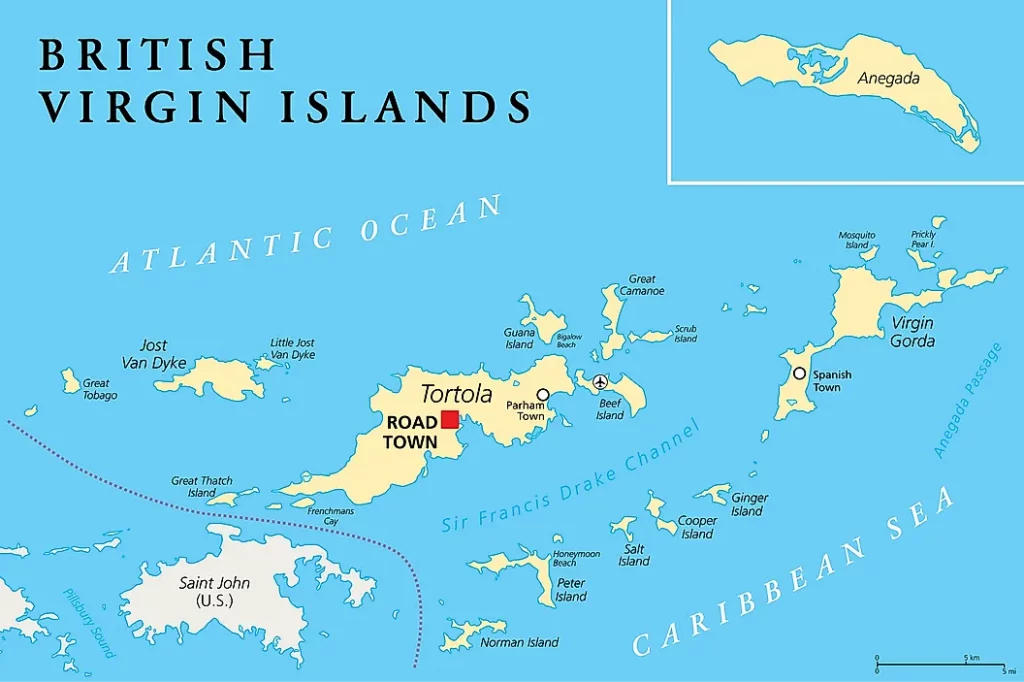 Credit: WorldAtlas.com
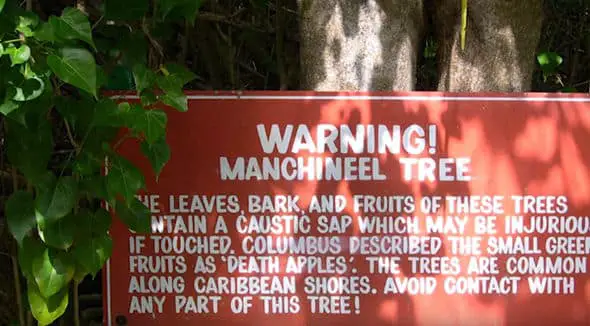
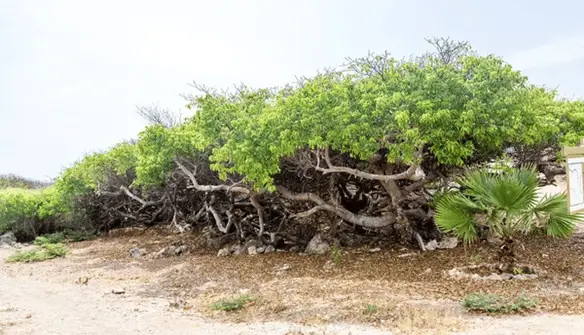
Check out these excursions in Tortola.
Know Before You Go
Hot Tip
Tortola, British Virgin Islands – Quick Facts
Where You Dock in Tortola, British Virgin Islands
Pier locations and what's available at each terminal.
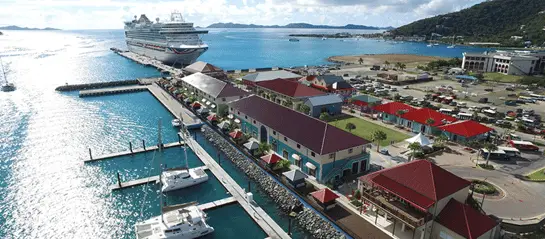
Cruise ships dock at Cyril B. Romney Tortola Pier Park in Road Town — a colonial-style outdoor shopping and entertainment complex that can handle two ships at a time. The 80,000 sq ft complex includes 11 buildings, 18 kiosks, over 70 retail outlets, restaurants, and service centers.
Shops are open 9am–6pm; restaurants are open 7am–midnight. WiFi, ATMs, washrooms, and car rentals are all available within the Pier Park. The complex is largely wheelchair accessible with flat sidewalks and curb cut-outs, though some interlocking brick sections may be bumpier.
Credit: Tortolapier.com
Getting Around Tortola, British Virgin Islands
Transportation options once you're ashore.
🚶 Walking
The Pier Park is immediately accessible from the ship and has shops, restaurants, and restrooms. Road Town's Main Street is a short walk from the pier. Beaches and most attractions require transportation — they are not within walking distance.
⛴️ Water Ferries
Inter-island travel is by water ferry. Ferries run on a schedule — information available at the Pier Park. You can board at Road Town, Soper's Hole, or Beef Island. A taxi is needed to reach Soper's Hole or Beef Island from the pier.
🚕 Taxis
Taxi stands at the Pier Park, Soper's Hole, and Wickham's Cay. Safari cabs (open-air trucks) and minivans are the typical options. If you're nervous on steep, winding mountain roads, opt for a minivan over a safari cab — Tortola's roads are dramatic.
🚗 Car Rental
You'll need a BVI temporary driver's license (~$10, valid up to 3 months) — just present your valid home license, no test required. Driving is on the left side of the road. Roads can be steep, bumpy, and narrow with blind turns. Expect the occasional cow, goat, or chicken as a road companion. Rentals available at the Pier Park.
Things To Do in Tortola, British Virgin Islands
Make the most of your time ashore.
🎯 Tortola rewards those who venture beyond the pier — exceptional natural beauty, sailing, and history:
JR O'Neal Botanic Gardens — In the center of Road Town. Three acres of collections from across the BVI's different habitats — rainforest species, coastal plants, dry forest flora, an extensive palm collection, a gazebo of orchids, and a nursery for endangered species. Free and easily combined with a Road Town walking tour.
Sage Mountain National Park — The highest point on Tortola at 1,716 feet. About 12 looped trails through montane forest with excellent views of neighboring islands. Plan about 2 hours. Wear sturdy shoes and sunscreen. A taxi to the trailhead is needed from Road Town.
Cane Garden Bay Beach — Tortola's most beloved beach on the north shore, about 20 minutes from the pier. White sand, calm clear water, chair and watersport rentals, food and drinks. Quito's Gazebo right on the beach makes for an excellent lunch stop.
Snorkeling at Smuggler's Cove — At the western end of the island. Crystal-clear, calm water with excellent reef snorkeling — parrotfish, sea fans, elkhorn coral. A local favorite that's less crowded than the main beaches.
Island Hopping by Ferry — Norman Island (alleged inspiration for Treasure Island), Jost Van Dyke (beach bars and the famous Soggy Dollar Bar), Virgin Gorda (The Baths — giant granite boulders and sea grottos), and Peter Island are all reachable by ferry from Road Town. Check ferry schedules carefully against your ship's departure time.
Sailing & Diving — The BVI is one of the world's premier sailing destinations — steady trade winds, calm inter-island waters, and extraordinary visibility. Wreck diving at the RMS Rhone (sunk 1867 off Salt Island) is among the Caribbean's finest dives. Multiple operators offer half-day charters departing from Road Town.
Beaches & Outdoors in Tortola, British Virgin Islands
The best beaches, parks, and outdoor experiences for cruise passengers.
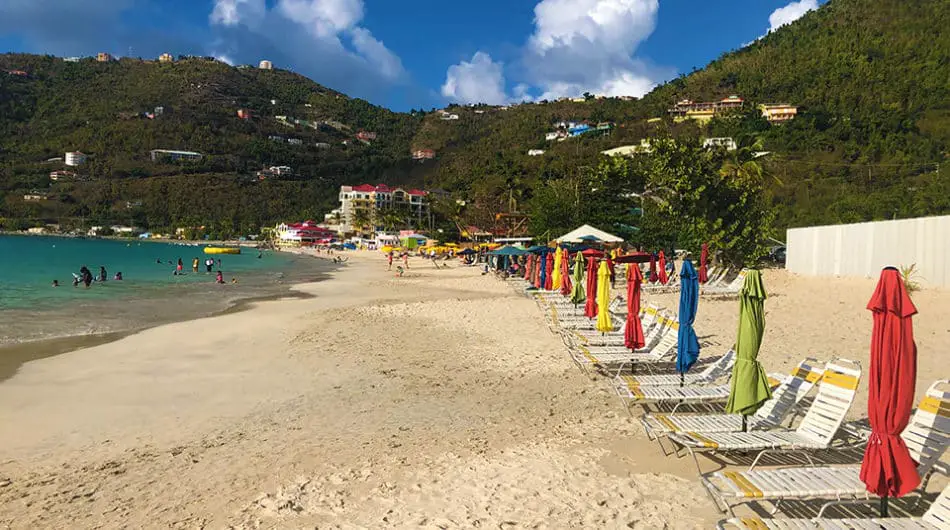
Cane Garden Bay Beach
The most popular beach on Tortola — white sand, clear and calm water, about 20 minutes from the pier on the north shore. Chair, umbrella, paddleboard, kayak, and jet ski rentals available. Food and beverages on-site. Popular with families and a genuine Caribbean beach experience.
Credit: caribjournal.comApple Bay
Favored by surfers, especially January through February when the swells are best. A small beach that gets crowded when surf conditions are ideal. Surfboard rentals available nearby.
Smuggler's Cove
At the western end of the island — a local favorite for excellent snorkeling. Crystal clear, calm water with parrotfish, sea fans, elkhorn coral, and colorful reef life. Less crowded than Cane Garden Bay and beautifully secluded.
Shopping in Tortola, British Virgin Islands
Where to shop and what to look for.
🛍️ Look for local spices, BVI rum, handmade pottery, island jams and jellies, batik clothing, and BVI postage stamps — a collector's item valued by philatelists worldwide:
Cyril B. Romney Tortola Pier Park
An 80,000 sq ft outdoor mall with over 70 shops, right where your ship docks. Highlights include Imperial Shellcrafters, Kenny Tee's Outlet, Tortola Pier Park Giftshop, JBY Fashions, Urban VI, and Tanio Boutique — among many others. Open 9am–6pm.
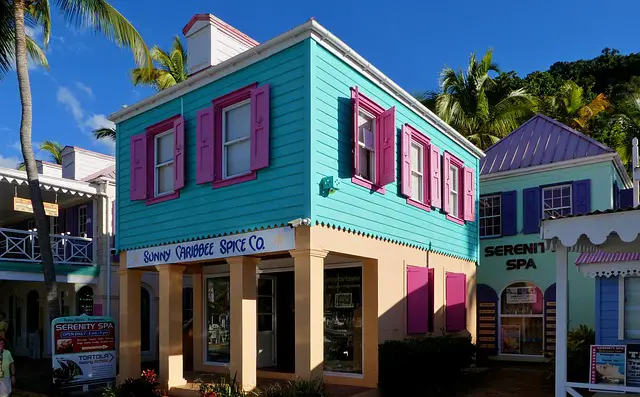
Sunny Caribee Spice Co.
On Main Street in Road Town — housed in what was once the first hotel on Tortola. Caribbean spices, teas, condiments, handicrafts, cosmetics, bath gels, perfumes, and sunscreens. A charming and genuinely local shop.
Pusser's Company Store
About a 10-minute walk from the dock. Gourmet food items, Pusser's Rum (a BVI institution), nautical and tropical clothing, mugs, and bags. The onsite restaurant's "Painkiller" cocktail — Pusser's rum, pineapple juice, cream of coconut, and orange juice — is an absolute must-try.
Aragorn's Studio
In Trellis Bay on Beef Island (near the airport) — copper sculptures, island prints, pottery, and jewelry from some of Tortola's most talented artisans. Worth the taxi ride for serious art and craft shoppers.
BVI Post Office — Main Street, Road Town
The BVI issues stamps with unusual and beautiful designs highly prized by philatelists worldwide. International visitors come specifically to purchase them. Note: though denominated in USD, the stamps can only be used for postage within the BVI.
Dining in Tortola, British Virgin Islands
Where to eat and drink ashore.
🍽️ Local Tortolan dishes worth trying: fungi (cornmeal and okra, similar to polenta — the BVI's national dish), roti (deep-fried flatbread stuffed with lentils, curry, or vegetables), jerk pork, and fresh local seafood.
Inside the Pier Park
16 dining options within the Pier Park including:
- Delhi Corner — Indian and grilled cuisine
- Mac's Restaurant — Caribbean, American, and Italian fusion
- Seven at the Pier Restaurant — Caribbean and Asian dishes
- Locally Yours — Organic local fruit juices
- Coconut Lounge — Beverages and bar snacks
- Aromas Cigar and Martini Bar — Hand-rolled cigars and cocktails
- Swirlzz Frozen Yogurt — Frozen treats
- The Original NY Pizza — Yes, really
Beyond the Pier Park
Quito's Gazebo Restaurant
Cane Garden Bay · ~7km from pier
Right on the beach — open-air dining with ribs, lobster, burgers, cracked conch, and pizza. The webcam at Quito's BVI lets you check what's happening at the bay before you go.
Dove Restaurant
Road Town · ~10 min walk from pier
Fine dining on Tortola — contemporary international cuisine, craft cocktails, and fine wines. Upstairs, the Dragonfly Lounge offers cocktails in a stylish old-world setting. The best upscale dining option within easy reach of the pier.
Brandywine Estate Restaurant
~7.5km east of cruise port · Open Wed–Sun
Superb Mediterranean cuisine with beautiful views of Brandywine Bay. Tapas and bistro options for lunch; filet mignon and seafood mains for dinner. Menus change frequently with daily specials.
D'CoalPot BVI Restaurant Bar & Grill
Northwest shore · ~20 min drive · Call ahead
Fresh fish, lobster, and conch alongside Caribbean spiced dishes. Popular roti, jerk pork, and key lime pie for dessert. Hours can vary — call ahead to confirm they're open on your port day.
Top Tours & Shore Excursions
Book before you board for best availability and pricing.
Jost Van Dyke Escape - Tortola
⏱ 4 Hours · Easy activity
<p>Head to the British Virgin Islands (BVI) smallest island of Jost Van Dyke and relax on the beach, sip on refreshments...
Book This Tour →The Baths Discovery - Tortola
⏱ 4 Hours · Moderate activity
<p>Catch a ferry to Virgin Gorda to gaze on a natural architectural wonder of The Baths and more on this exciting tour n...
Book This Tour →Tortola Beach Day
⏱ 3 Hours · Easy activity
<p>Enjoy beach time swimming in crystalline bay waters, seeing panoramic city views atop a hillside and mountain on this...
Book This Tour →Unique Treasures of Tortola
⏱ 3 Hours · Easy activity
<p>Explore Tortolas historical sites and get panoramic views of the island from places like Fahie Hill and historic Moun...
Book This Tour →Tortola, British Virgin Islands – FAQ
Common questions from cruise passengers.
What is Tortola BVI known for?
Tortola is the largest of the British Virgin Islands and is known for sailing — it's one of the top sailing destinations in the world. It's also known for beautiful Cane Garden Bay beach, the famous Jost Van Dyke bar scene (Soggy Dollar Bar), and access to The Baths at Virgin Gorda.
What is the Soggy Dollar Bar?
The Soggy Dollar Bar on Jost Van Dyke's White Bay is one of the most famous beach bars in the Caribbean. The name comes from the fact that there's no dock — you swim ashore with your money. It's also the birthplace of the Painkiller cocktail.
What are The Baths on Virgin Gorda?
The Baths is a national park on Virgin Gorda featuring enormous ancient granite boulders that have tumbled to form sea grottos, caves, and tidal pools. It's one of the most unique natural attractions in the Caribbean and accessible as a day trip from Tortola.
Is Tortola good for sailing?
The BVI is consistently rated as one of the top sailing destinations in the world. The trade winds are reliable, the islands are close together, and there are hundreds of anchorages. Many cruise passengers choose sailing excursions here.
Cruise Passenger Tips & Photos
Real tips from real cruisers who've visited Tortola, British Virgin Islands.
No tips yet — be the first to share your experience!
Share Your Experience at Tortola, British Virgin Islands
Your tips help other cruisers plan their port day. All submissions are reviewed before publishing.