- Cartagena's UNESCO-listed walled city and Getsemaní district are best explored on foot, so prioritize walking over rushing between landmarks.
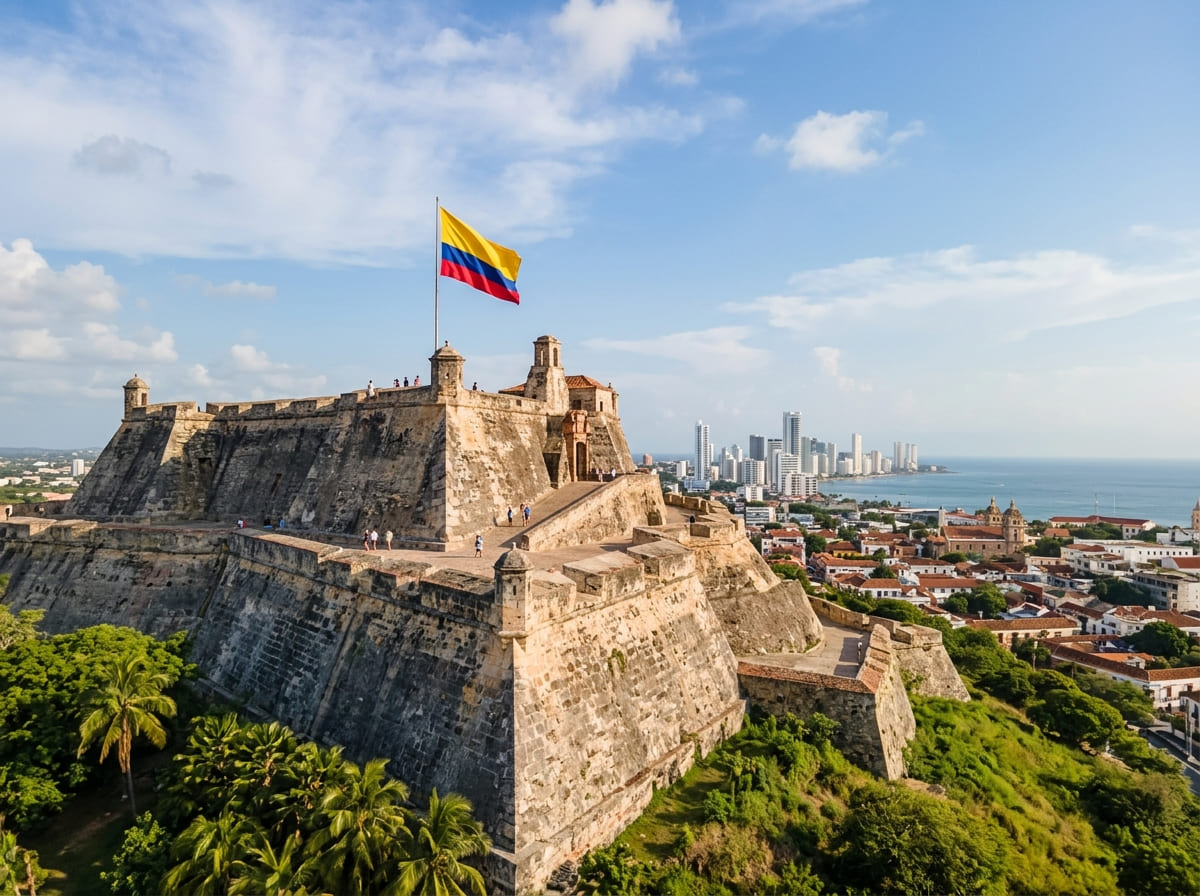
- Castillo San Felipe de Barajas is a must-visit fortress with impressive tunnels, and it's located just a short taxi ride from the cruise terminal.
- Street food is a highlight—seek out Portal de los Dulces for traditional sweets and sample local fare throughout the old city.
- If you prefer a beach day, the Rosario Islands are an option but require an early start to make the most of your 8-to-10-hour port window.
What to Do in Cartagena, Colombia on a Cruise Day
Cartagena is one of the most beautiful colonial cities in the Americas, a walled maze of candy colored buildings, Spanish fortifications, and warm Caribbean energy on Colombia's northern coast. A cruise day here is less about ticking off attractions and more about slowing down inside a living UNESCO World Heritage city, where every cobblestone street seems to open onto another postcard. Knowing where to wander, and what to skip, is what turns a good port day into a great one.
Here is the quick answer for a great day in Cartagena. Spend most of it on foot inside the old walled city and the neighboring Getsemaní district, climb the tunnels of Castillo San Felipe, and eat as much street food as you can. If a beach day matters more, the Rosario Islands deliver, but only if you start early. Cartagena often sails on Southern Caribbean and Panama Canal itineraries alongside Willemstad and Grenada, so plan the run together, and lock in tours on our shore excursions page.
Cartagena at a Glance
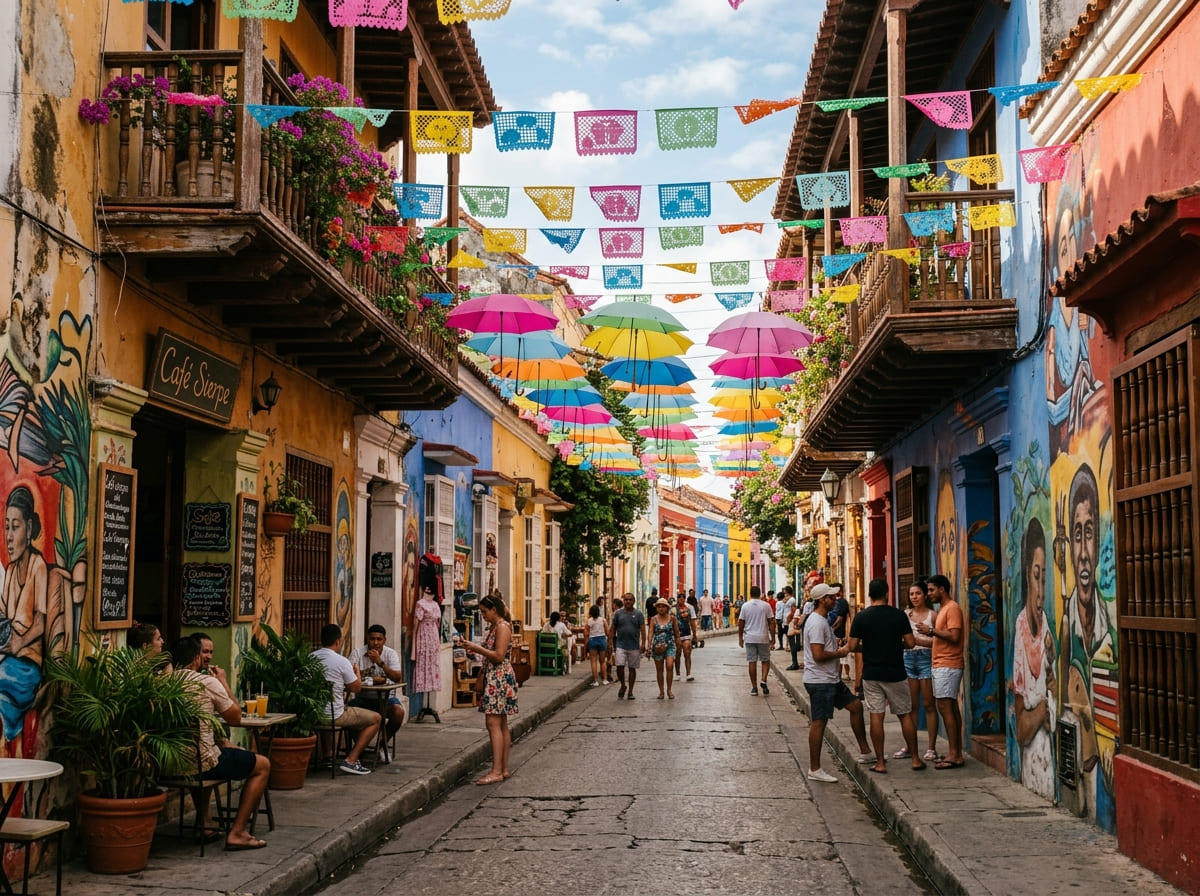
Cartagena de Indias is one of the great cities of the Americas, a superbly preserved 16th century Spanish colonial walled city on the Caribbean coast of Colombia, a UNESCO World Heritage Site, and one of the most beautiful urban environments you are likely to meet on any cruise itinerary. The old city, the Ciudad Amurallada, is a labyrinth of narrow cobblestone streets, candy colored colonial buildings draped in bougainvillea, plazas shaded by enormous trees, and the constant sound of cumbia drifting from open windows.
It is also a genuinely warm, vibrant, living city rather than a preserved museum piece. The restaurants are excellent, the street food is extraordinary, and the people are among the most welcoming in Latin America. A port day here rewards anyone who slows down and walks instead of rushing between landmarks. The official Colombia tourism site is a good place to see just how much sits within a short taxi ride of the pier.
- Pier: Terminal de Cruceros, Manga Island, about 10 minutes from the old city by taxi
- Currency: Colombian Peso (COP), with US dollars accepted at major hotels and some shops; pesos preferable for street food and markets
- Best for: Walled city walking, Castillo San Felipe, Rosario Islands, street food, colonial architecture
- Typical time in port: 8 to 10 hours
- Taxi to old city (Ciudad Amurallada): about 10 minutes, roughly $5 to $8 each way
Top Things to Do in Cartagena on a Cruise Day
1. Walk the Walled City (Ciudad Amurallada)
The old walled city is the reason you are here, and it deserves most of your day. The walls themselves, up to 65 feet tall and 50 feet wide in places, built over two centuries of Spanish colonial rule, enclose a neighborhood that has changed remarkably little in structure since the 17th century. Walking the top of the wall at sunset is one of Cartagena's classic experiences, and walking the streets within is the other.
Key areas to prioritize:
- Plaza de Bolívar is the main square, shaded and lovely, with the cathedral on one side and the Palace of the Inquisition, now a museum, on another.
- Getsemaní is the neighborhood just outside the old walls, once working class and now alive with street art, independent restaurants, and a local energy the tourist heavy old city sometimes lacks.
- Las Bóvedas is a row of 23 vaulted chambers built into the city wall in the 18th century, originally for military storage and now a craft and souvenir market.
- Portal de los Dulces is a shaded arcade where local women sell traditional Colombian sweets from wooden trays, a Cartagena institution.
2. Castillo San Felipe de Barajas
The Castillo San Felipe is one of the most impressive Spanish colonial fortifications in the Americas, a massive 17th century hilltop fortress that withstood repeated pirate assaults, most famously repelling a huge British attack in 1741. The network of tunnels beneath it is extraordinary, designed to let defenders move unseen between positions, communicate through acoustic channels, and flood the passages if an enemy broke in. Guided tours run regularly and bring the military history to life. It is about a 10 minute taxi ride from the old city, with admission around $8 per person. If Spanish colonial forts fascinate you, the fortresses of Old San Juan make a natural companion, and you can plan that stop with our San Juan cruise port guide.
3. Rosario Islands Day Trip
The Islas del Rosario, a national marine park of about 28 coral islands roughly 35 miles southwest of Cartagena, offer the closest thing to a traditional Caribbean beach day from this port. Catamaran tours leave the city in the morning and include beach time, snorkeling over the coral reefs, and lunch on one of the islands. The water clarity is good, the reefs hold decent marine life, and the islands are beautiful, though for pure reef snorkeling a port like Roatan or Grand Cayman edges ahead. The round trip including beach time runs about 5 to 6 hours, manageable within a port day if you leave early. Book in advance.
4. Street Food and Local Cuisine
Cartagena's food culture is one of the highlights of a port day. In the walled city and Getsemaní, look for:
- Arepas de huevo, corn flour pockets filled with egg and meat, fried to order at street carts.
- Cocadas, coconut candy in various colors, sold from trays by palenqueras, women in traditional dress.
- Ceviche cartagenero, local ceviche made with fresh shrimp and served in a cup with coconut milk.
- Peto, a warm sweet corn drink.
For a sit down meal, the restaurant scene in Getsemaní and around Plaza de la Trinidad is excellent, with high quality and prices a fraction of what similar food costs on the Caribbean islands.
5. Palenque de San Basilio
For anyone drawn to Afro Colombian history, a guided tour to the Palenque de San Basilio, a village about 50 miles from Cartagena founded by freed enslaved people in the early 17th century and the first free Black town in the Americas, is one of the most meaningful cultural excursions available at any Caribbean port. The community keeps its own language, Palenquero, along with its traditions and music. Tours usually run a half day and include a local guide from the community. UNESCO recognizes the Palenque's cultural heritage. It is not widely known among cruise passengers, and it is entirely worth seeking out.
6. Colonial Architecture and Photography
Cartagena is one of the most photogenic cities in the world. The blend of colonial architecture from the 16th to 18th centuries, vivid exterior colors in ochre, turquoise, rose, and white, wooden balconies spilling over with flowering plants, and narrow cobblestone lanes makes almost every street worth a photo. The light in the old city in early morning, before the cruise tour groups arrive en masse, is exceptional. Wandering with a camera is a perfectly good way to spend an entire port day here.
Getting Around Cartagena
Taxis from the cruise terminal to the old city run about $5 to $8 and take 10 minutes. Agree on a price in advance, since meters are rare. Within the walled city and Getsemaní, walking is the only way to explore properly, and the streets are pedestrian friendly and well shaded by colonial overhangs. For the Rosario Islands, catamaran tours handle all transport from the terminal waterfront. To have it all arranged before you sail, book a vetted tour through our shore excursions partner.
Tips for Your Cartagena Port Day
- Get to the old city early, since the walled streets are magical before tour groups arrive mid morning.
- Exchange some dollars for pesos, because street food and local markets are cheaper and better priced in local currency.
- Do not skip Getsemaní, where the neighborhood outside the walls has more local character than the tourist heavy old city center.
- The Rosario Islands need an early start, with boats leaving by 8 to 9am for a workable half day return.
- The heat is intense, since Cartagena is one of the hottest cities in the Caribbean, so stay hydrated and seek shade often.
- Street food is safe when bought from busy, well trafficked stalls, and the palenqueras selling cocadas and the arepa carts near the plazas are Cartagena institutions.
Plan the Rest of Your Caribbean Itinerary
Cartagena usually sails alongside other Southern Caribbean and Panama Canal stops, so these guides pair naturally with it:
- What to Do in Willemstad, Curaçao on a Cruise Day
- What to Do in St. George's, Grenada on a Cruise Day
- San Juan, Puerto Rico cruise port guide
- What to Do in Roatan, Honduras on a Cruise Day
- Browse all Caribbean cruise ports
Cartagena: Frequently Asked Questions for Cruise Passengers
Is Cartagena safe for cruise passengers?
The walled city, Getsemaní, and the main tourist areas of Cartagena are considered safe for visitors and see heavy foot traffic from international tourists every day. Colombia's security situation has improved dramatically over the past two decades, and Cartagena in particular has invested heavily in tourist safety. Standard urban precautions apply, so do not carry excessive cash, stay aware of your surroundings, and use radio taxis rather than hailing from the street. Most cruise passengers have entirely positive experiences. For questions about any stop, our cruise FAQ is a helpful starting point.
What currency should I bring to Cartagena?
The Colombian Peso is the local currency. US dollars are accepted at larger hotels, some restaurants, and the cruise terminal area, but the exchange rate offered at the point of sale is usually unfavorable. For street food, local markets, and neighborhood restaurants, pesos are necessary or strongly preferred. Use an ATM or exchange office in the old city rather than the terminal for a better rate.
How far is the Cartagena cruise terminal from the old city?
The cruise terminal on Manga Island is about 10 minutes by taxi from the entrance to the walled city. Taxis wait at the terminal exit, and the fare should be agreed in advance at roughly $5 to $8 each way. Some organized excursions include transport from the terminal to the city as part of the package.
Is the Rosario Islands trip worth it from Cartagena on a cruise day?
Yes, if a beach and snorkel day is your priority and you leave early. The islands are genuinely beautiful and the marine park snorkeling is good. The logistics of catamaran departure, a 45 minute crossing, beach time, and the return take about 5 to 6 hours total, which is manageable on a 9 to 10 hour port day as long as you are not also planning a long walled city walk. If the old city is your priority, the Rosario Islands trip may leave too little time to explore Cartagena properly.