- Quebec City offers a European-like experience in North America, with cobblestone streets, historic architecture, and French-inspired culture ideal for cruise visitors.
- Most major attractions, including Old Quebec (a UNESCO World Heritage Site) and the Château Frontenac, are within a short walk of the cruise ship dock.
- The city is rich in pivotal North American history, from the 1608 founding at Place Royale to the 1759 Battle of Quebec on the Plains of Abraham.
- Beyond historical sites, visitors can enjoy vibrant dining, nightlife on Grande Allée, unique boutiques, and outdoor activities across the city.
Quebec City is one of those places that stays with you. Maybe it's the cobblestone streets, the fortress walls, or the food that makes you feel like you've been transported to Europe — without leaving North America. Whether you're docking for 8 hours or staying a few days, here are 11 must-see historical sites for cruise visitors.
1. Old Quebec (Vieux-Québec)
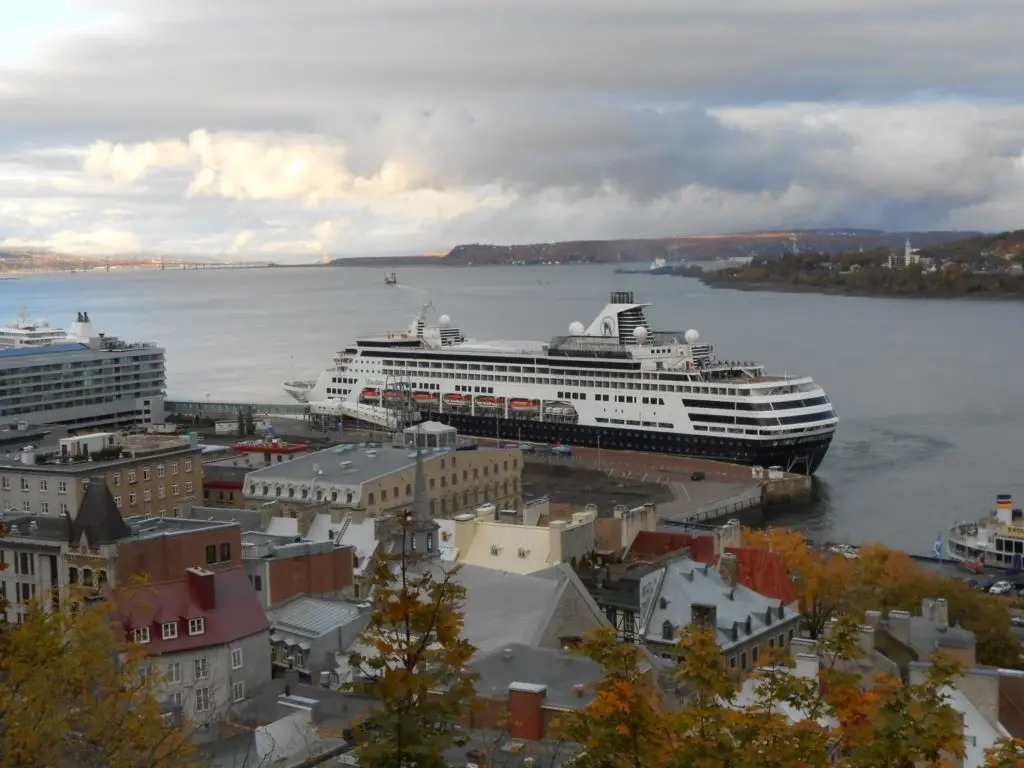
Quebec City is really two cities in one. The modern city buzzes with contemporary life, while Old Quebec — a UNESCO World Heritage Site — preserves the original 17th-century settlement almost exactly as it was built.
The narrow cobblestone streets, vibrant painted facades, and centuries-old stone buildings will make you feel like you've wandered into France. For cruise visitors, the timing couldn't be better: the dock sits just a 15-minute walk from the heart of Old Quebec. If you do nothing else, walk these streets.
2. Place Royale
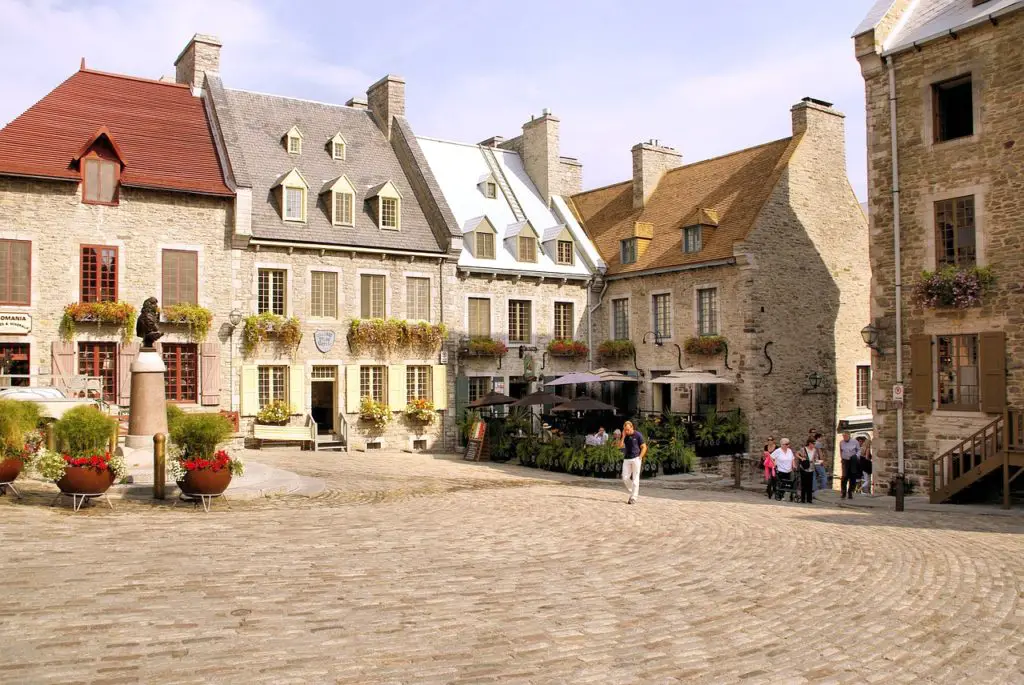
Within Old Quebec sits Place Royale, a town square first commissioned by Samuel de Champlain in 1608. Often called the "cradle of French civilization in America," it's anchored by Notre-Dame-des-Victoires — the oldest stone church in North America — along with the Place Royale Museum, which documents the city's role in the fur trade with Indigenous peoples.
Ringed by terrasse cafes and unique boutiques, it's equally good for history and people-watching.
3. Cathedral-Basilica of Notre-Dame de Québec

Also part of the UNESCO World Heritage designation, this cathedral holds a remarkable distinction: it's the oldest church in the Americas north of the Spanish colonies in Florida and New Mexico. Originally built in 1647, it was destroyed by fire and rebuilt twice — and in 2014 celebrated its 350th anniversary. Pope Pius IX elevated it to a minor Basilica in 1874.
It's a 10-minute walk from the cruise ship dock. Well worth it.
4. Fairmont Château Frontenac
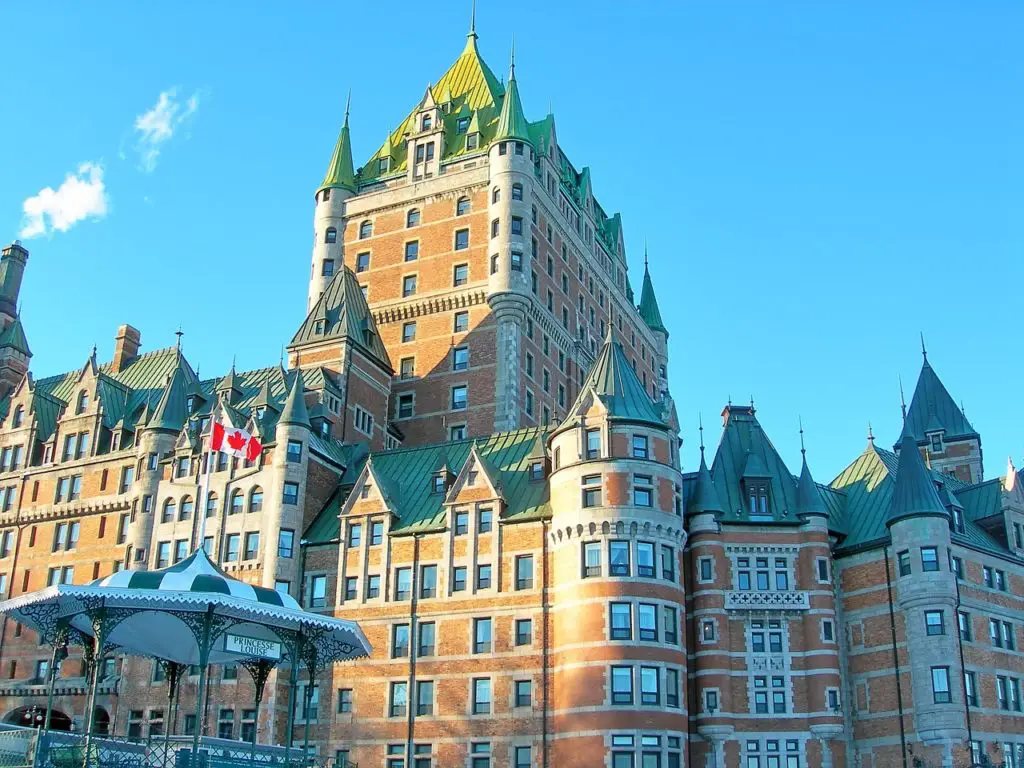
The most photographed hotel in the world sits atop a hill overlooking the St. Lawrence River — and it earns the title. Originally built in 1883 by Canadian Pacific Railway to promote Canadian tourism, the Château Frontenac has since been the backdrop for history: Winston Churchill, Franklin D. Roosevelt, and Canadian PM Mackenzie King met here during World War II to plan the allied invasion of occupied Europe.
If you can, stay a night (rates start around $400+). If not, walk through the lobby — it's open to visitors and has shops and a café on the main floor.
5. Plains of Abraham
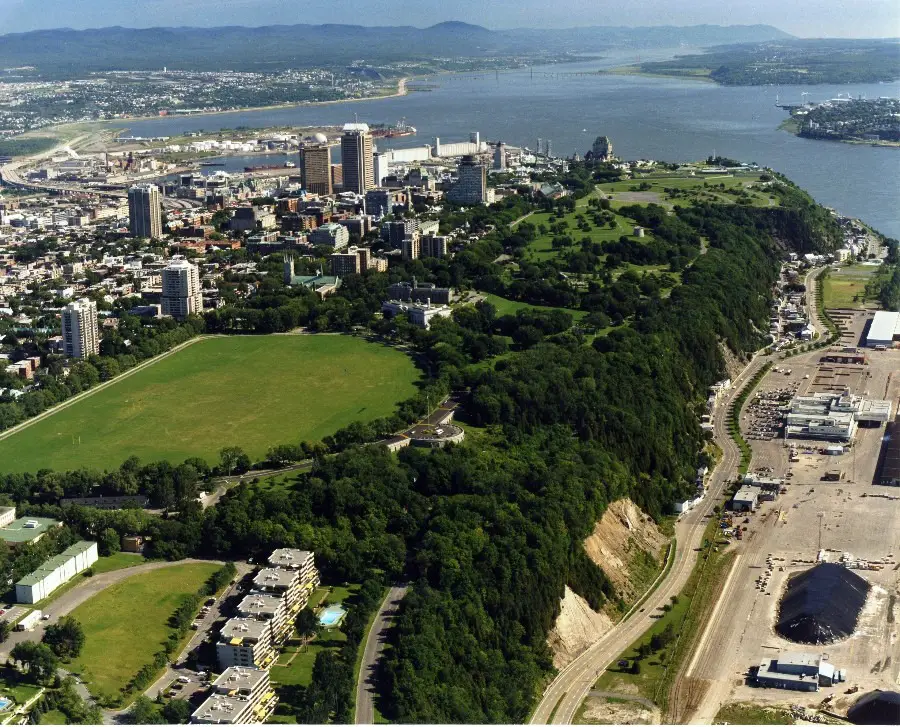
On September 13, 1759, a 30-minute battle on this ground changed the course of Canadian history. British forces under General James Wolfe defeated the French under Louis-Joseph de Montcalm in what became known as the Battle of Quebec — part of the Seven Years' War. Both commanders died from wounds sustained here. England's victory gave them control of Quebec City and key territories throughout what would become Canada.
Today, the 2.4 km park at 835 Wilfrid-Laurier Avenue hosts festivals, outdoor activities, and serves as the starting point for many Old Quebec tours. Think of it as Quebec City's version of Central Park.
6. Gare du Palais (Train Station)
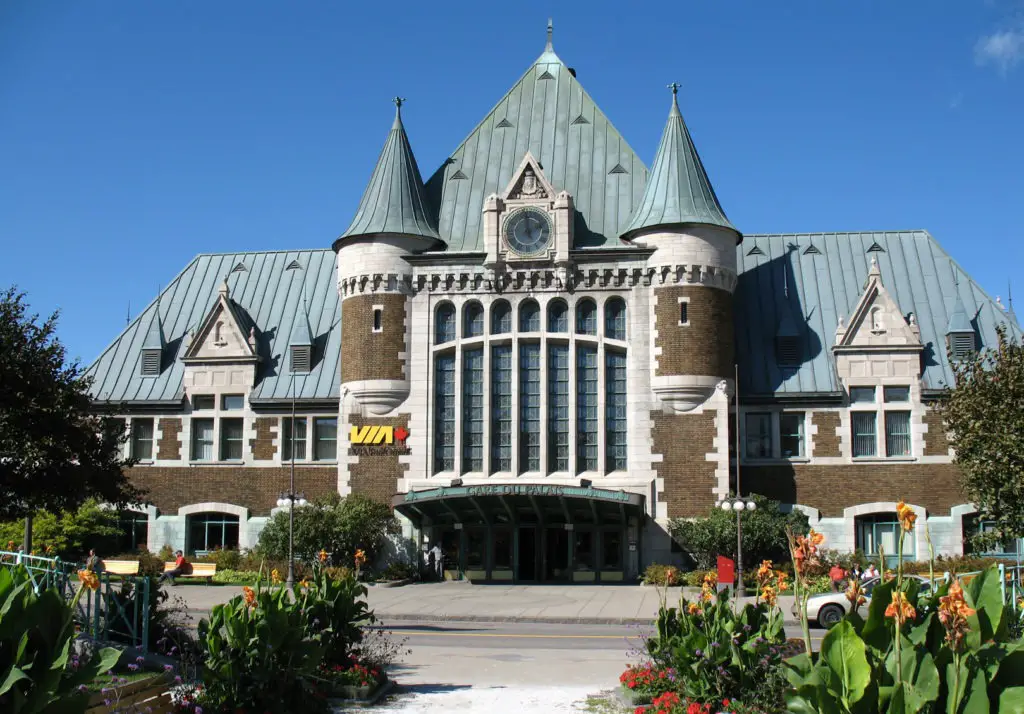
If the Gare du Palais looks familiar, it should — it was designed by the same architects as the Château Frontenac, and built by Canadian Pacific Railway in 1915. Designated a Heritage Railway Station in 1992, it still operates as an active hub for VIA Rail trains and Orleans Express coaches.
Arriving from Toronto or Montreal before your cruise? VIA Rail connects the cities, with Ottawa (Canada's capital) about 6 hours away by train.
7. Grande Allée
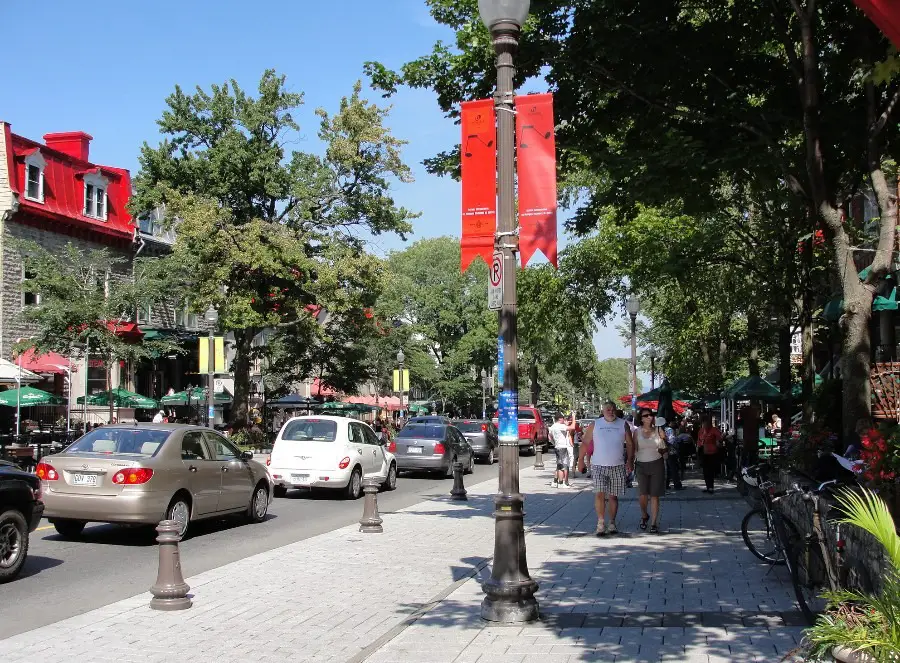
If Old Quebec is the history lesson, Grande Allée is the evening out. This vibrant street is lined with Victorian buildings turned into restaurants, cafés, boutique hotels, and at night, dance clubs and live music venues. By day the patios are packed; by night it's one of the liveliest streets in the city.
It sits on the opposite side of the Plains of Abraham from the cruise terminal — a taxi or rideshare is your best bet for getting there.
8. Île d'Orléans
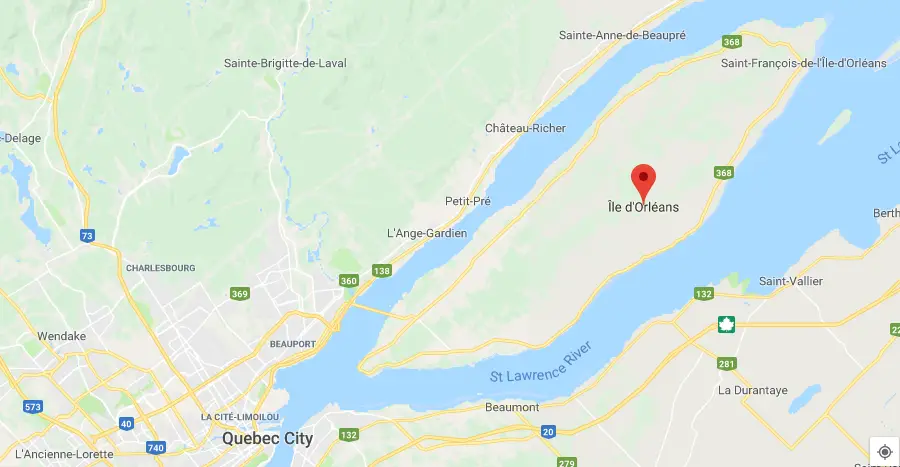
For a complete change of pace, rent a car and drive 15 minutes to this island sitting in the St. Lawrence River. Cross the bridge and the pace immediately slows — farms, orchards, roadside fruit stands, artisan studios, B&Bs, and tiny villages make it feel like the French countryside.
You can drive the perimeter in a couple of hours. Keep an eye out for the small sign for Confiturerie Tigidou — follow the winding driveway up to a barn where they make some of the best jam you'll ever try. This island is a highlight every single time.
9. Quartier Petit-Champlain
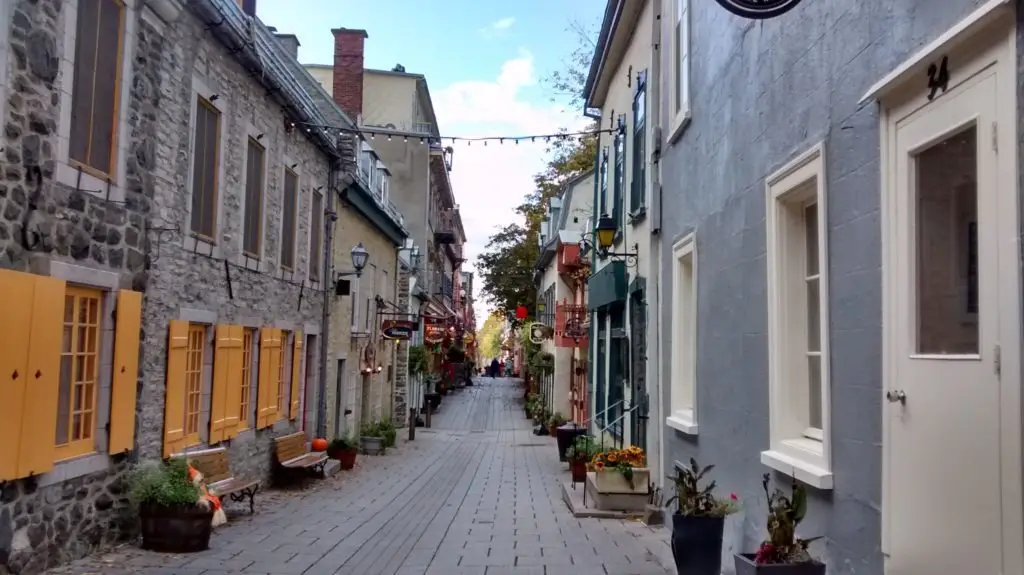
Quartier Petit-Champlain, named after Samuel de Champlain, is the oldest commercial street in North America — preserved for over 400 years. Forget chain stores. This is independent boutiques, art galleries, craftsman workshops, and cafés squeezed along narrow, charming streets.
If you want to bring home something genuinely Canadian, this is where to find it. And before you leave, try a piece of crème de sucre — a creamy, melt-in-your-mouth sweet somewhere between fudge and maple candy. You'll thank us later.
10. Fortifications of Québec National Historic Site
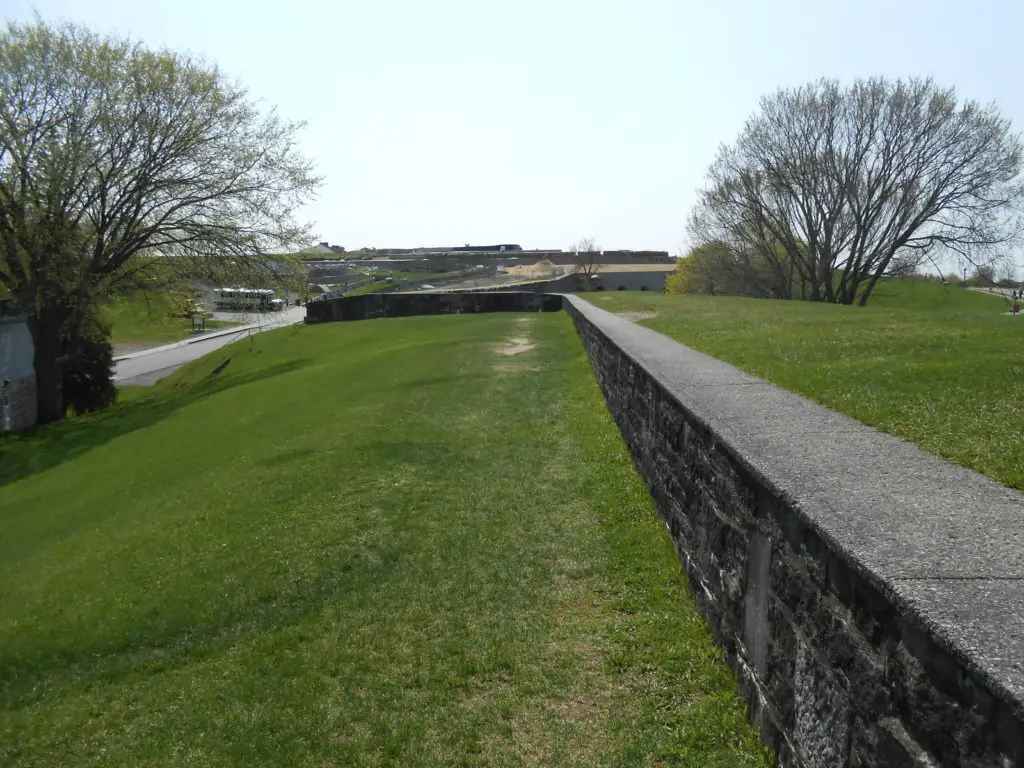
The nearly 5-kilometre (3-mile) stone walls that ring Old Quebec look picturesque today — but 400 years ago they were a life-or-death defense against invading forces. A guided tour along the walls brings the city's layered military history to life in a way a museum exhibit can't match.
The Information Centre at this National Historic Site is a 10-minute walk from the cruise terminal and a great first stop to get your bearings before exploring the old city.
11. Épicerie J.A. Moisan
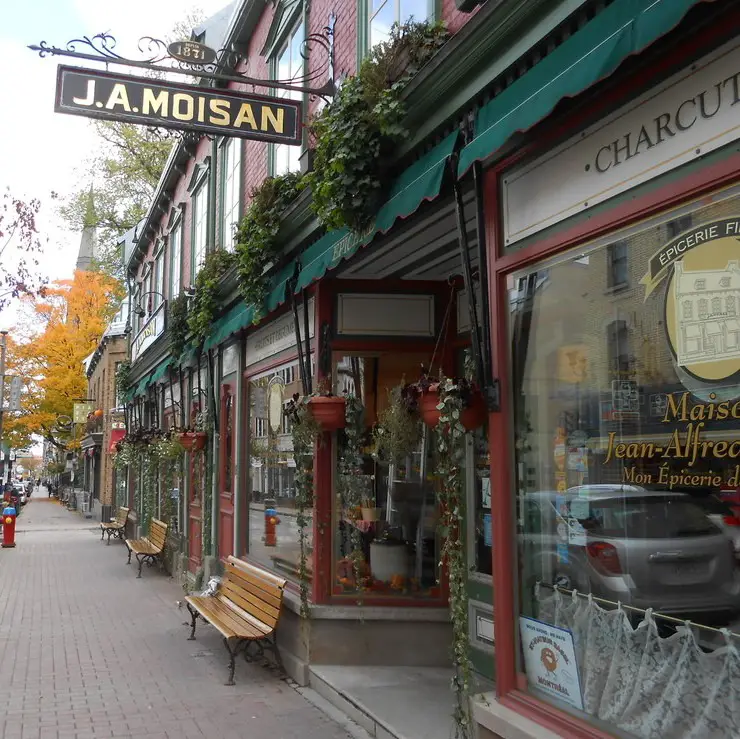
Opened in 1871, J.A. Moisan is the oldest grocery store in continuous operation in North America. Today it operates as a gourmet food lover's paradise — artisan cheeses, charcuterie, fresh breads, local wine and beer, and a small café at the front serving pastries and excellent coffee.
Walk the creaking wood-floor aisles and you'll understand immediately why this place has survived 150 years. It's a living piece of Quebec's commercial history — and a great spot to pick up provisions before heading back to the ship.
Quebec City rewards every kind of traveler — history buffs, foodies, architecture lovers, and anyone who just wants to wander somewhere beautiful. If you haven't booked a cruise that calls here, consider this your sign.
Explore the Quebec City Port Guide →Frequently Asked Questions — Quebec City Cruise Port
How far is Old Quebec from the cruise terminal?
Old Quebec is approximately a 15-minute walk from the Quebec City cruise terminal. The port is extremely well-situated — most major attractions in Old Quebec are within a 10–20 minute walk, making it one of the most walkable ports of call in Eastern Canada.
Can I see the highlights of Quebec City in one day?
Yes. An 8-hour port stop is enough to cover the core of Old Quebec on foot — Place Royale, the Fortifications, Quartier Petit-Champlain, and the Cathedral. The Château Frontenac is hard to miss. For Île d'Orléans or Grande Allée you'll want more time, or to prioritize.
Is Quebec City worth visiting beyond the cruise stop?
Absolutely. Staying even one or two extra nights transforms the experience. You'll have time for Île d'Orléans, a proper evening on Grande Allée, and meals that go beyond a quick lunch. The Fairmont Château Frontenac is a bucket-list stay if your budget allows.
Do I need to speak French to enjoy Quebec City?
No — most people working in tourism, restaurants, and shops in Quebec City speak English. That said, a few words of French (bonjour, merci, s'il vous plaît) go a long way and are always appreciated by locals.
What is the best time of year for a Quebec City cruise?
The cruise season in Quebec City typically runs from May through October. Summer (June–August) brings warm weather and festivals, including the famous Quebec City Summer Festival. Fall foliage (late September–October) is spectacular and the crowds are thinner.
Are there shore excursions available in Quebec City?
Yes — guided walking tours of Old Quebec, Île d'Orléans farm tours, cycling tours along the St. Lawrence, and food and wine experiences are all popular options. Many can be booked independently at better prices than through the cruise line.