What to Do in Whittier, Alaska on a Cruise Day
Whittier is unlike any other cruise port in Alaska, or anywhere else. A small community of about 270 permanent residents, most of whom live in a single large building known as Begich Towers, Whittier sits at the head of Passage Canal in Prince William Sound, surrounded on three sides by mountains and glaciers. It is accessible only by boat or through a 2.5-mile single-lane tunnel shared by both cars and a train, the Anton Anderson Memorial Tunnel, one of the longest highway-rail combined tunnels in North America.
Most cruise passengers encounter Whittier as an embarkation or disembarkation port for southbound Alaska sailings that end in Seward, or vice versa. If you are starting or ending your cruise here, Whittier itself warrants a few hours of exploration, since the surrounding Prince William Sound is extraordinarily beautiful, and the town's eccentricity is memorable in its own right. For context on the broader Alaska cruise circuit, our guides to Juneau and Ketchikan, and the full Alaska cruise ports guide, round out the picture.
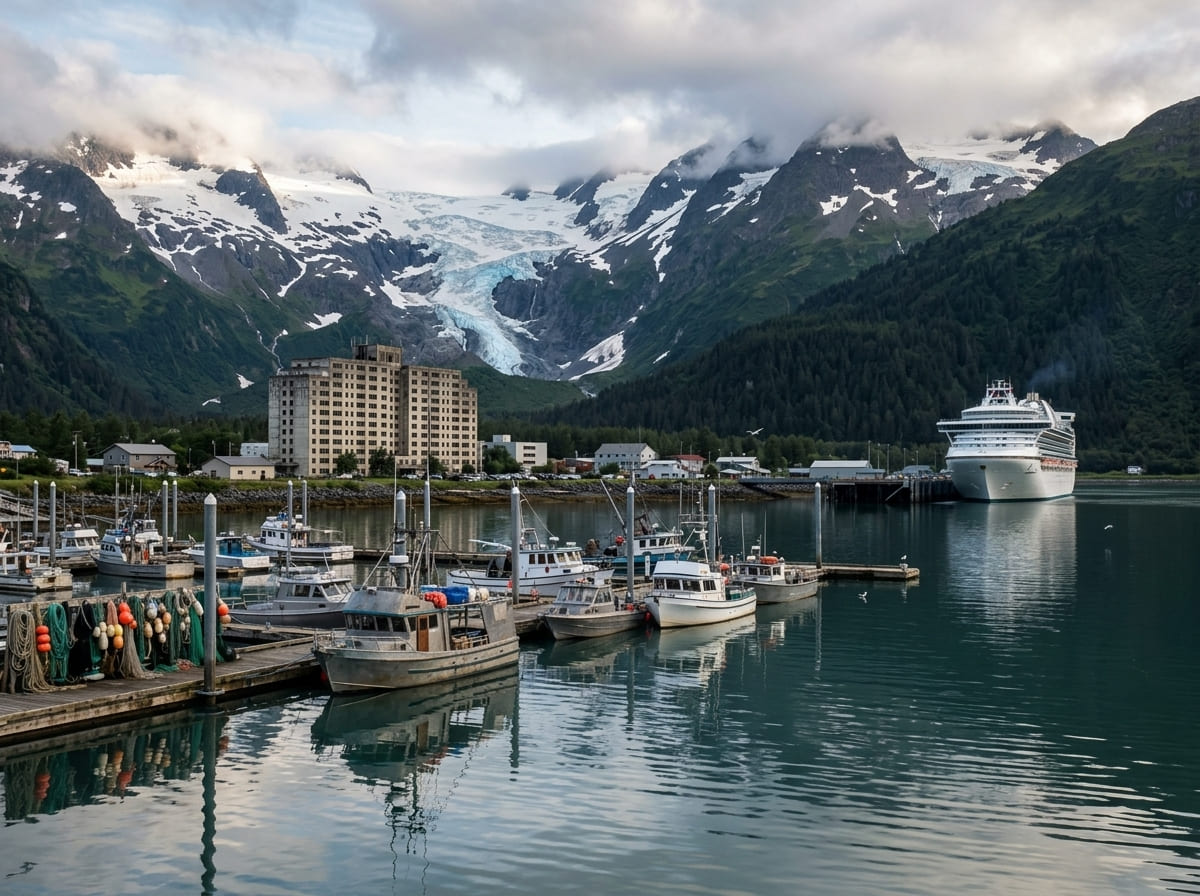
- Pier: Whittier Small Boat Harbor and cruise terminal
- Currency: US Dollar (domestic port)
- Best for: Prince William Sound glacier cruises, sea kayaking, wildlife, tunnel curiosity
- From Anchorage: About 60 miles, 1.5 hours including tunnel wait
- Tunnel: Anton Anderson Memorial Tunnel, vehicles alternate with the train schedule, so check timing before driving
- Typical use: Embarkation or disembarkation port, sometimes a day call on repositioning sailings
Top Things to Do in Whittier
1. Glacier and Wildlife Cruise in Prince William Sound
Prince William Sound is one of the most spectacular bodies of water in Alaska, a maze of fjords, islands, glaciers, and wildlife that rivals Glacier Bay in visual drama. From Whittier, day cruise boats depart into the Sound to visit active tidewater glaciers, including the spectacular College Fjord glacier complex, view calving ice, and observe wildlife: harbor seals on ice floes, Steller sea lions, otters, orcas, humpback whales, Dall's porpoise, mountain goats on cliff faces, and more species of seabird than most passengers can name.
A half-day or full-day Prince William Sound cruise is the definitive Whittier excursion and should be prioritized if you have time here. Multiple operators run tours from the harbor. This is fundamentally the same type of experience as Tracy Arm or Glacier Bay, dramatic glaciers, calving ice, wildlife, but in a less-visited and arguably even more pristine environment.
2. Sea Kayaking in Prince William Sound
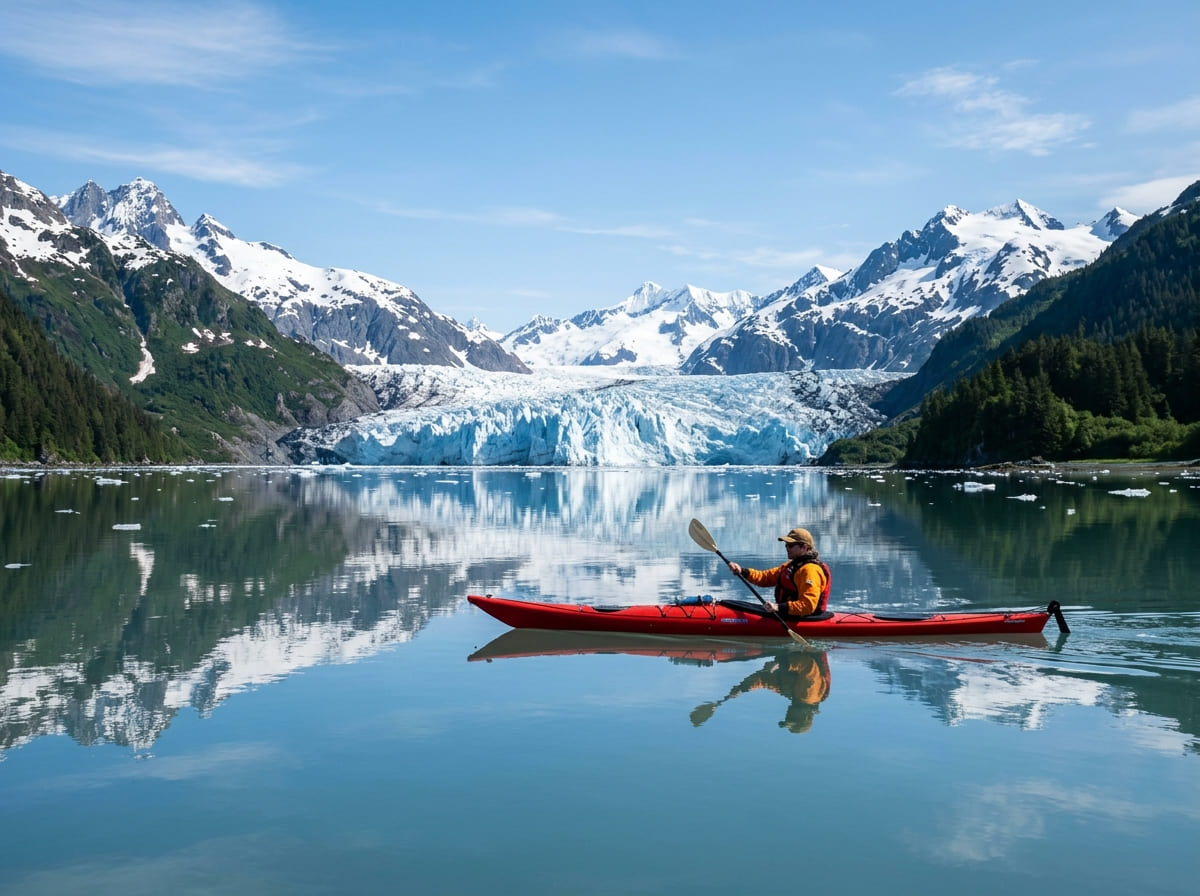
Whittier is one of the premier sea kayaking bases in Alaska. The protected waters of the Sound's inner fjords are calm enough for novice paddlers while offering extraordinary scenery, glaciers visible from the water, coastal wildlife, and the eerie silence of a mountain-enclosed fjord. Guided kayak tours range from 2-hour introductory paddles to multi-day expeditions. For cruise passengers with a few hours in Whittier before or after embarkation, a half-day guided kayak is one of the most rewarding ways to experience Prince William Sound at water level.
3. The Anton Anderson Memorial Tunnel
The tunnel itself is worth experiencing, a 2.5-mile, single-bore tunnel through the Chugach Mountains that alternates between vehicle and train traffic. Traffic flows in one direction at a time on a fixed schedule, and the wait at the Portage end, toward Anchorage, can be 30 to 45 minutes depending on timing. Inside the tunnel, the scale is extraordinary, feeling like a mine shaft converted for public use, which is essentially what it is. Check the tunnel schedule before driving through the Alaska DOT tunnel schedule.
4. Wildlife Viewing at the Harbor
You do not need to go far from Whittier's dock to see wildlife. Steller sea lions haul out on the breakwater and nearby rocks regularly. River otters, sea otters, and harbor seals are commonly visible in the harbor basin. Bald eagles perch on the pilings and fish from the water's edge. Simply standing on the pier for 20 minutes with binoculars produces more wildlife sightings than a full day in many other locations.
5. Begich Towers and Whittier's Unusual Character
Whittier's most distinctive landmark is Begich Towers, a 14-story apartment building that houses the vast majority of the town's residents. It was built by the US Army in 1956, originally known as the Hodge Building, during the Cold War military buildup in Alaska rather than during World War II itself, to house military personnel and their families. It contains the post office, police station, grocery store, and community services alongside residential apartments, and it was renamed in 1972 in memory of Alaska Congressman Nick Begich. Nearby stands the abandoned Buckner Building, a slightly older Army structure completed in 1953 that once earned Whittier its "city under one roof" nickname, since it combined a mess hall, sleeping quarters, a movie theater, and other facilities into a single building. The Army deactivated Whittier's military role in the early 1960s, and the town converted almost entirely to civilian use, with Begich Towers now serving as home to most of Whittier's population. It is an unusual living arrangement even by Alaska standards, and the lobby holds a small photo display tracking the town's history.
Getting to Whittier from Anchorage
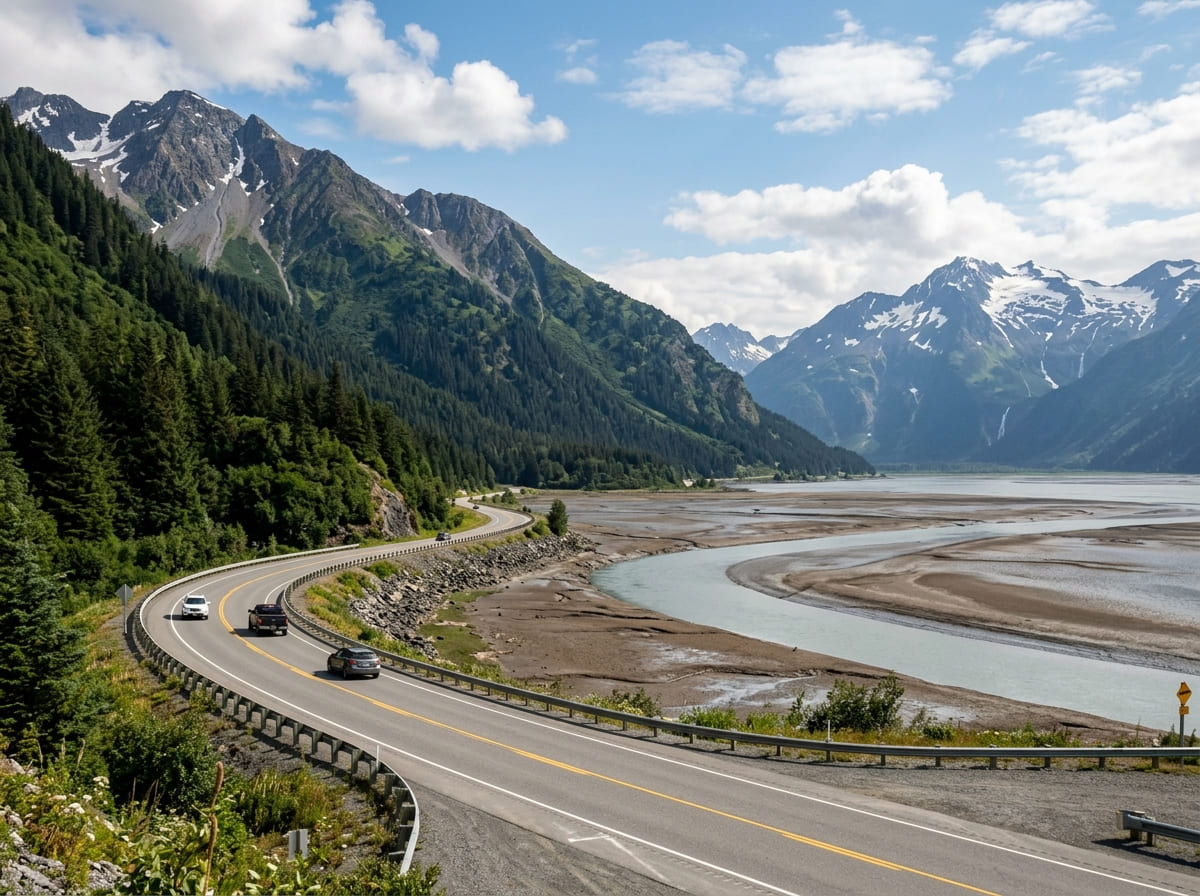
Whittier is approximately 60 miles from Anchorage by road, about 1.5 hours including tunnel wait time. The drive from Anchorage along the Seward Highway and then the Portage Valley is extraordinarily scenic: the road hugs the edge of Turnagain Arm, famous for its dramatic bore tides, passes through the Chugach Mountains, and enters the Portage Valley before the tunnel. If you are flying into Anchorage before your cruise, the drive to Whittier is itself one of the better scenic drives in Alaska.
Tips for Passengers Departing or Arriving at Whittier
- Check the tunnel schedule before driving, since the Anton Anderson Tunnel alternates direction on a fixed schedule, and arriving at the wrong time means a 30-plus minute wait at the Portage entrance.
- Pre-book the Prince William Sound glacier cruise, since it fills up on days when multiple cruise ships are using Whittier as an embarkation port.
- If arriving from your cruise in Whittier, consider booking an afternoon or next-day glacier cruise before continuing to Anchorage, since the sound is right there and rarely visited by cruise passengers who simply drive through.
- Bring layers, since Whittier's weather is notoriously variable, and the tunnel passage from the sunny Anchorage bowl to the wet Prince William Sound climate is sometimes dramatic.
- The drive along Turnagain Arm from Anchorage is genuinely spectacular, so if driving, allow extra time to stop at the bore tide viewpoints, checking the bore tide schedule for timing.
- Wildlife at the harbor requires no effort, since sea lions, otters, and eagles are routinely visible from the dock.
Whittier FAQs for Cruise Passengers
Why does almost everyone in Whittier live in the same building?
Whittier was built as a US Army port facility beginning in World War II, and the Army continued major construction into the Cold War era. Begich Towers, originally the Hodge Building, was built by the Army in 1956, over a decade after WWII ended, to house military personnel and their families. When the military withdrew from Whittier in the early 1960s, the town converted to civilian use. The building's combination of residential space and essential services in one structure is a practical adaptation to Whittier's extreme climate and remote layout, and it remains home to the large majority of the town's roughly 270 residents today.
Is Whittier worth visiting beyond just a cruise embarkation port?
Yes, particularly for the Prince William Sound glacier cruise and sea kayaking. The Sound is one of Alaska's most spectacular marine environments and is significantly less visited than Glacier Bay due to the logistical effort required to reach Whittier. Cruise passengers who simply transfer through Whittier without exploring it are missing one of Alaska's genuinely extraordinary landscapes. Even 2 to 3 hours before or after embarkation spent on a harbor wildlife walk or a short kayak justifies the time.
What is the Anton Anderson Memorial Tunnel?
A 2.5-mile tunnel through the Chugach Mountains connecting Whittier to the Portage Valley, and via road to Anchorage. It is shared by both vehicles and the Alaska Railroad, with traffic alternating on a fixed schedule, vehicles go one direction, then the train, then vehicles in the other direction. It is the only road access to Whittier. The tunnel schedule is publicly available and must be checked before driving, since missing your window means waiting up to 30 to 45 minutes for the next vehicle cycle.
What is the Buckner Building in Whittier?
The Buckner Building is a large, now-abandoned structure the US Army completed in 1953, once the largest building in Alaska. It housed a self-sufficient military community, with a mess hall, sleeping quarters, a movie theater, and other facilities all under one roof, which earned it the nickname "the city under one roof." The Army abandoned it in 1966, and unlike the neighboring Begich Towers, it was never converted to civilian use and remains a derelict, asbestos-laden landmark visible from much of the town.