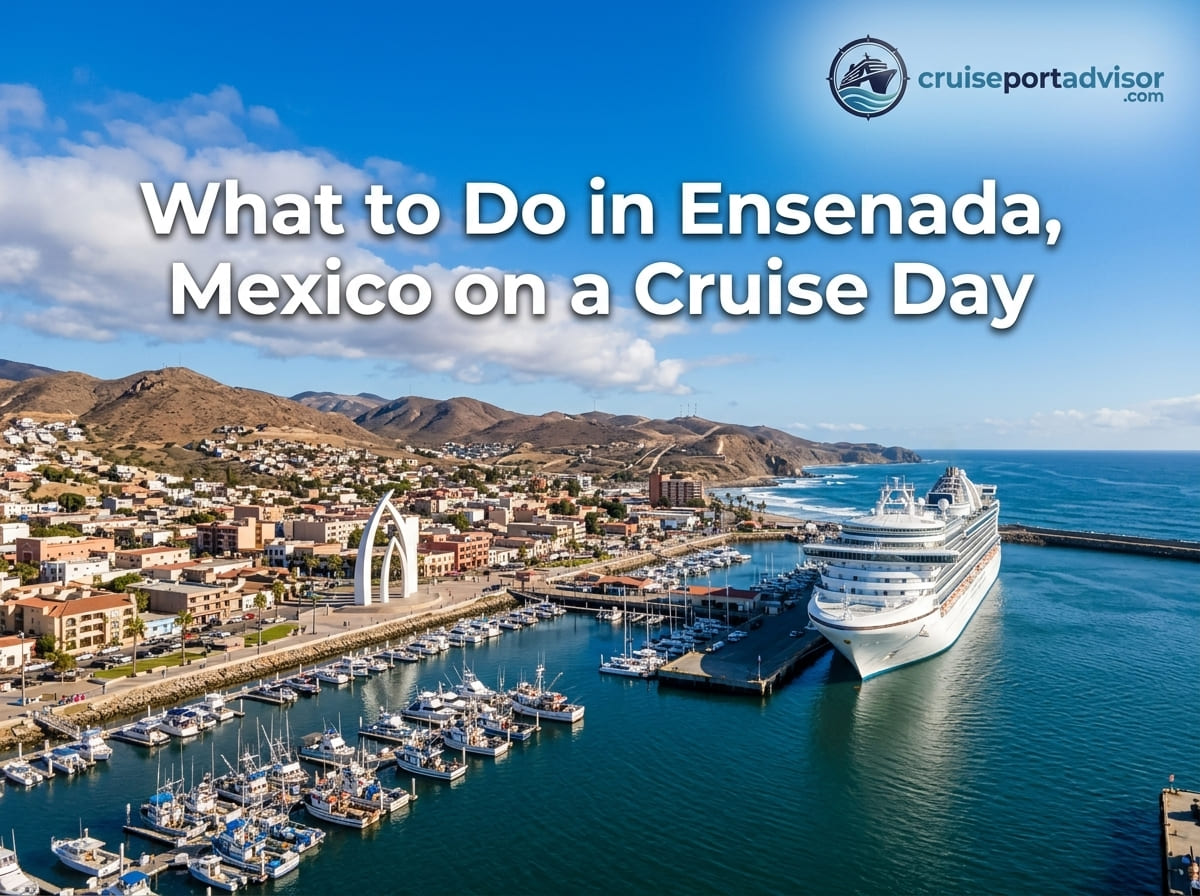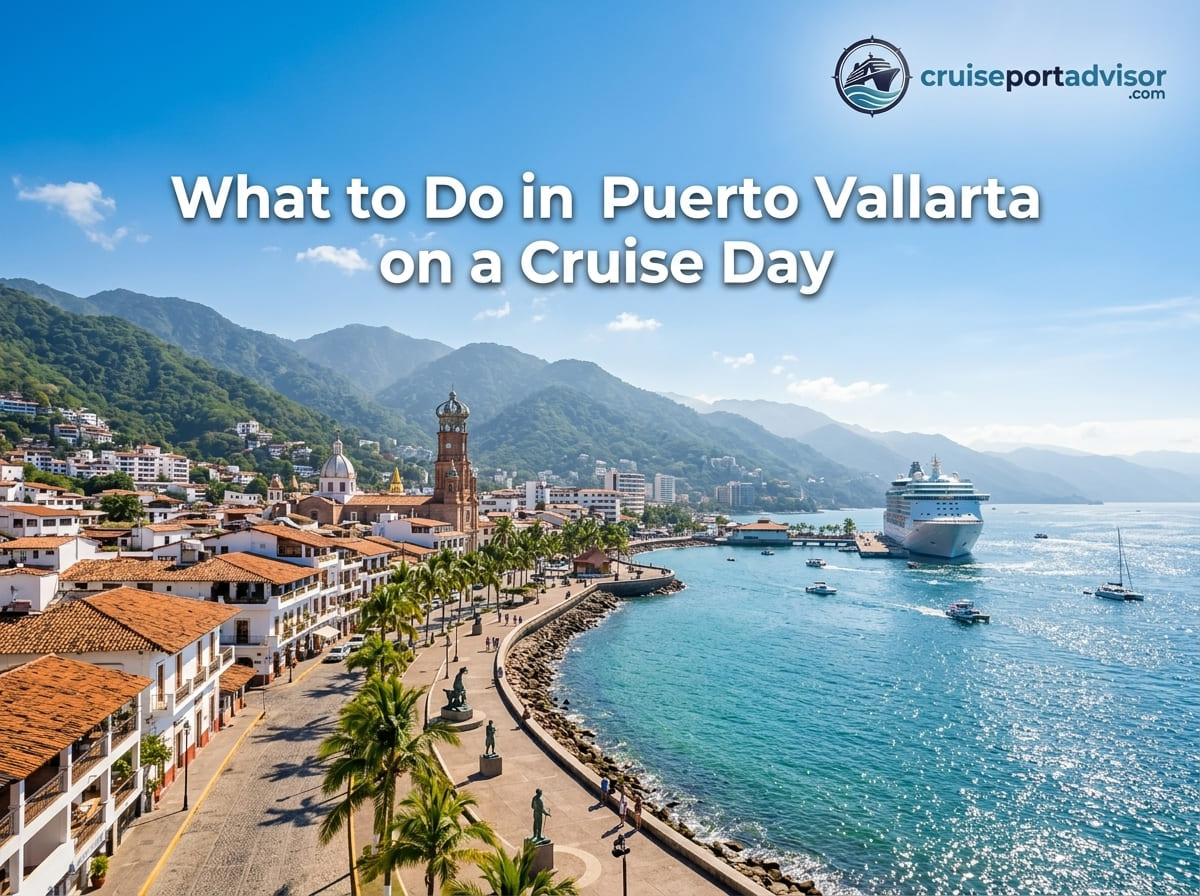
- Mexico's cruise ports like Cozumel and Cabo San Lucas remain generally safe at Level 2 (same as France, Italy, and the UK), though safety varies significantly by state and port.
- February 2026 cartel violence in Jalisco temporarily disrupted Puerto Vallarta cruises, but conditions stabilized quickly; travelers should stay in resort/tourist zones and monitor cruise line updates.
- Cozumel and Cabo San Lucas are among the safest Mexican cruise ports, while Mazatlán (Sinaloa) carries elevated risk at Level 3-4 and warrants careful research before going ashore.
- Cartel violence in Mexico tends to be targeted and concentrated along drug trafficking corridors rather than tourist zones, but travelers should always check the latest U.S. State Department advisories before their trip.
Mexico remains one of the most popular cruise destinations in the world — and for good reason. Stunning beaches, rich history, incredible food, and warm people make ports like Cozumel, Cabo San Lucas, and Puerto Vallarta perennial favorites. But the safety question is real, and it deserves a straight answer rather than a sales pitch.
Here's what you actually need to know before your cruise calls at a Mexican port in 2026.
The Current Safety Picture (2026 Update)
On February 22, 2026, Mexican military forces — aided by U.S. intelligence — killed Nemesio "El Mencho" Oseguera Cervantes, the leader of the Jalisco New Generation Cartel (CJNG). What followed was a swift and intense period of retaliatory cartel violence across Jalisco state, including road blockades, vehicle fires, and significant disruption to flights in and out of Puerto Vallarta and Guadalajara.
Several cruise lines temporarily skipped Puerto Vallarta port stops during the unrest. The U.S. State Department issued a shelter-in-place advisory for Americans in Jalisco. It was, by any measure, a serious situation.
Within days, however, the situation stabilized. Jalisco state reopened economic activity, flights resumed, and the resort corridor returned to normal operations. The travel advisory for Puerto Vallarta remained at its pre-existing Level 2 — unchanged by the events.
This is the pattern of cartel violence in Mexico that travelers need to understand: it is intense, targeted, and moves fast — but in the vast majority of cases, it is concentrated in specific corridors related to drug trafficking routes, border crossings, and territorial disputes. Tourist resort zones are not part of those corridors. Cartels do not want international attention on their operations. Targeting tourists is bad for their business.
What the U.S. State Department Actually Says
Mexico sits at a Level 2 — "Exercise Increased Caution" overall. It's worth noting that Level 2 is the same designation applied to France, Italy, and the United Kingdom. It doesn't mean don't go — it means be smart about where you go and what you do.
The advisories vary sharply by state. For the cruise ports most relevant to passengers:
- 🟢 Cozumel / Quintana Roo — Level 2. Cancun is in Quintana Roo on the Caribbean coast, more than a thousand miles from Puerto Vallarta. Cozumel sits in the same state. Officials confirmed all cruise ports in Quintana Roo continued operating normally even during the February 2026 unrest.
- 🟡 Cabo San Lucas / Baja California Sur — Level 2. Dangerous ocean currents are a bigger threat here than cartels. One of the safer cruise destinations in Mexico.
- 🟡 Puerto Vallarta / Jalisco — Level 2 (resort corridor), Level 3 outside tourist areas. Elevated risk following February 2026 cartel violence. Cruise lines are monitoring closely.
- 🔴 Mazatlán / Sinaloa — Level 3–4. Sinaloa is the home state of the Sinaloa Cartel and sits at Level 4. The situation has become more volatile in the aftermath of El Mencho's death. If your cruise calls here, research current conditions carefully before going ashore.
Always check the U.S. State Department Mexico Travel Advisory before your trip, as conditions can change quickly.
Know the Rules Before You Go Ashore
Packing for a cruise is exciting, but it's worth double-checking what's allowed both on board and ashore — because Mexico's laws can catch travelers off guard.
The Vape Ban — This Is Serious
Mexico introduced a strict nationwide ban on vapes and e-cigarettes that took effect in January 2026. This prohibits the importation, sale, and marketing of vaping devices and e-liquids across the entire country.
What this means for cruise passengers:
- Vapes are still permitted on board in designated smoking/vaping areas per most cruise lines' policies.
- But you cannot bring them ashore in any Mexican port — even for personal use. This is treated as illegal importation under Mexican customs law.
- Enforcement is active at cruise terminals. Penalties include confiscation, fines reported up to around $12,500 USD, and in serious cases, legal detention.
This applies to all cruise ports — Cozumel, Costa Maya, Progreso, Mazatlán, Ensenada, Puerto Vallarta, and anywhere else on your itinerary. Leave your vape locked in your cabin.
Most Popular Mexico Cruise Ports
Cozumel
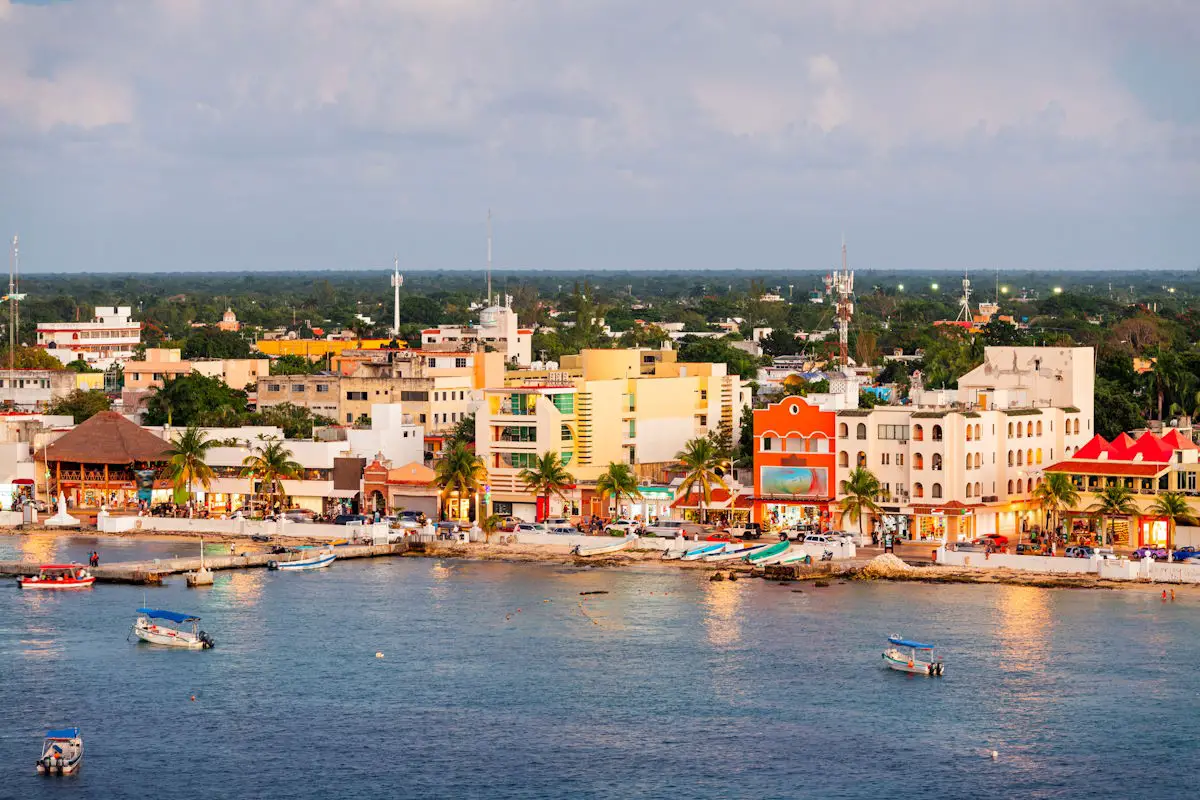
Cozumel is consistently one of the busiest cruise ports in the Western Hemisphere, and it remains among the safest. The island sits in Quintana Roo state, well removed from the cartel violence that has affected western Mexico. Crystal-clear waters, world-class snorkeling and scuba diving, Mayan ruins at San Gervasio, and a compact, walkable port area make it a reliable and enjoyable port of call.
Cabo San Lucas
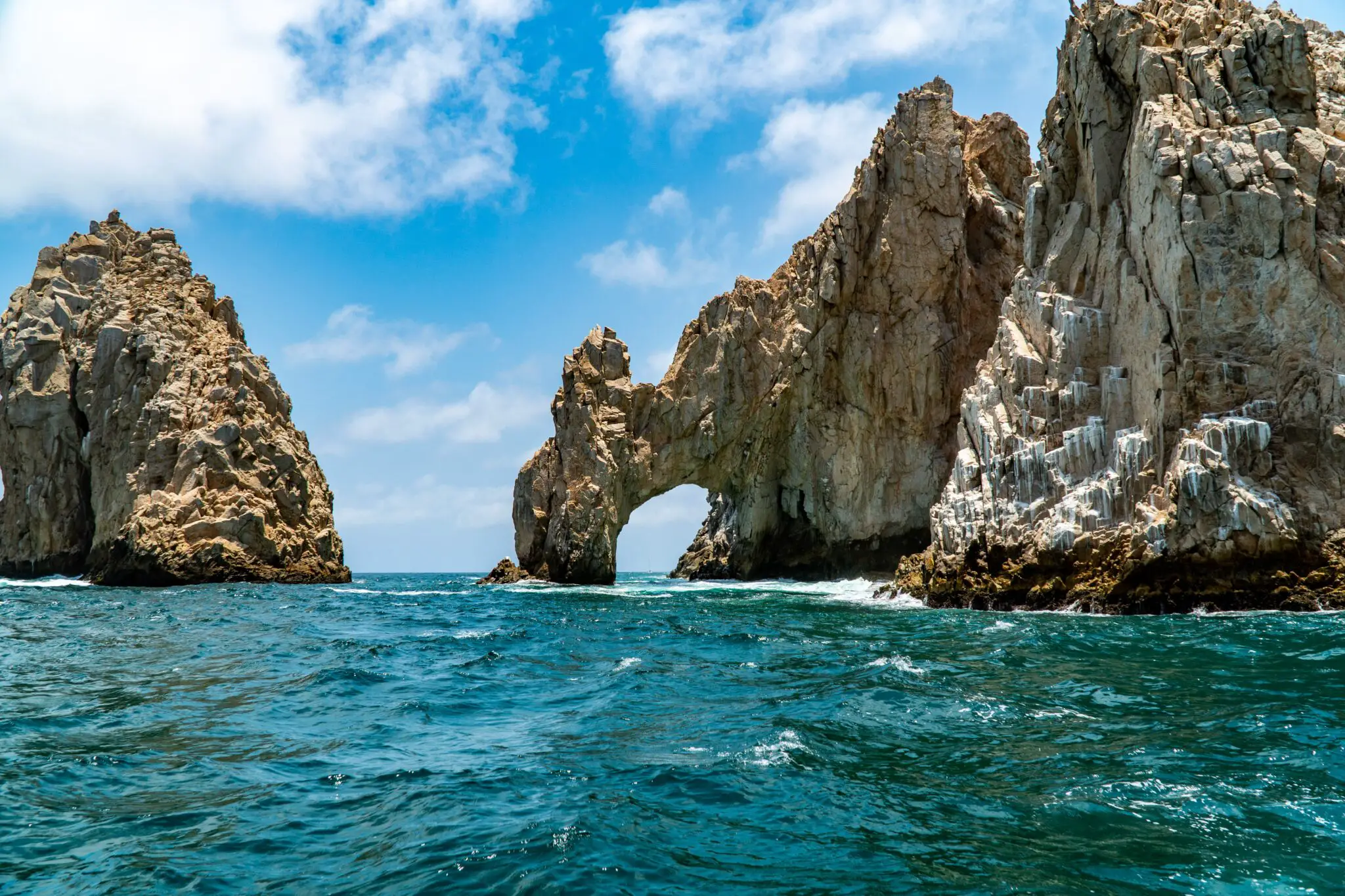
Cabo San Lucas anchors the southern tip of the Baja California Peninsula and is one of Mexico's safest cruise destinations. Fishing, snorkeling, whale watching (in season), stunning cliff formations, and a lively restaurant and nightlife scene keep visitors busy. Baja California Sur operates differently from the cartel-affected mainland states — it's a separate peninsula with its own security dynamics.
Puerto Vallarta
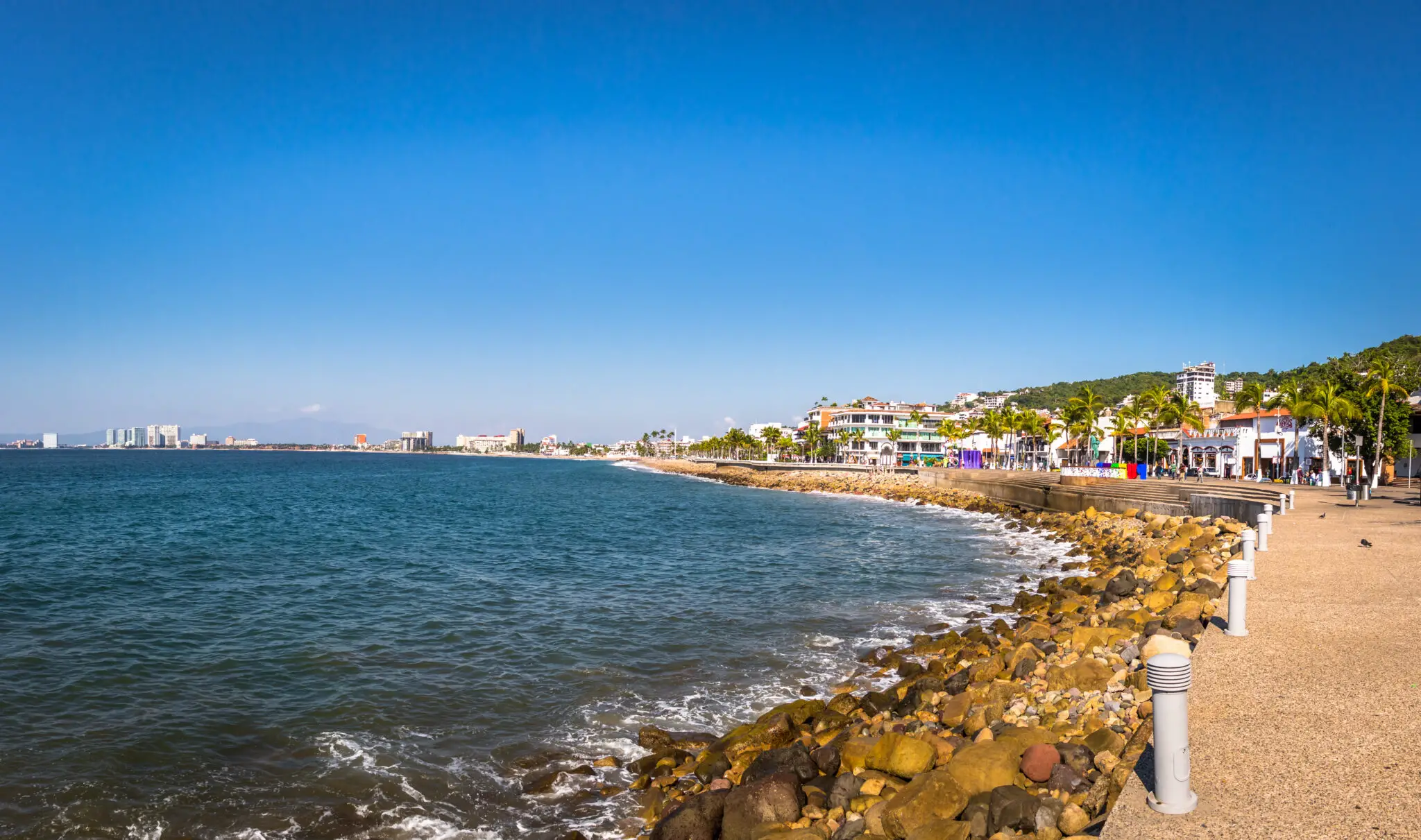
Puerto Vallarta is a genuinely beautiful port — cobblestone streets, the iconic Church of Our Lady of Guadalupe, a world-class malecón (seafront promenade), and outstanding dining. It sits in Jalisco state, which has experienced elevated cartel-related disruptions in 2026 following the death of El Mencho. The resort and tourist corridor has returned to normal operations, but this is a port where staying in established tourist zones matters more than most.
How Safe Is Cruising to Mexico, Really?
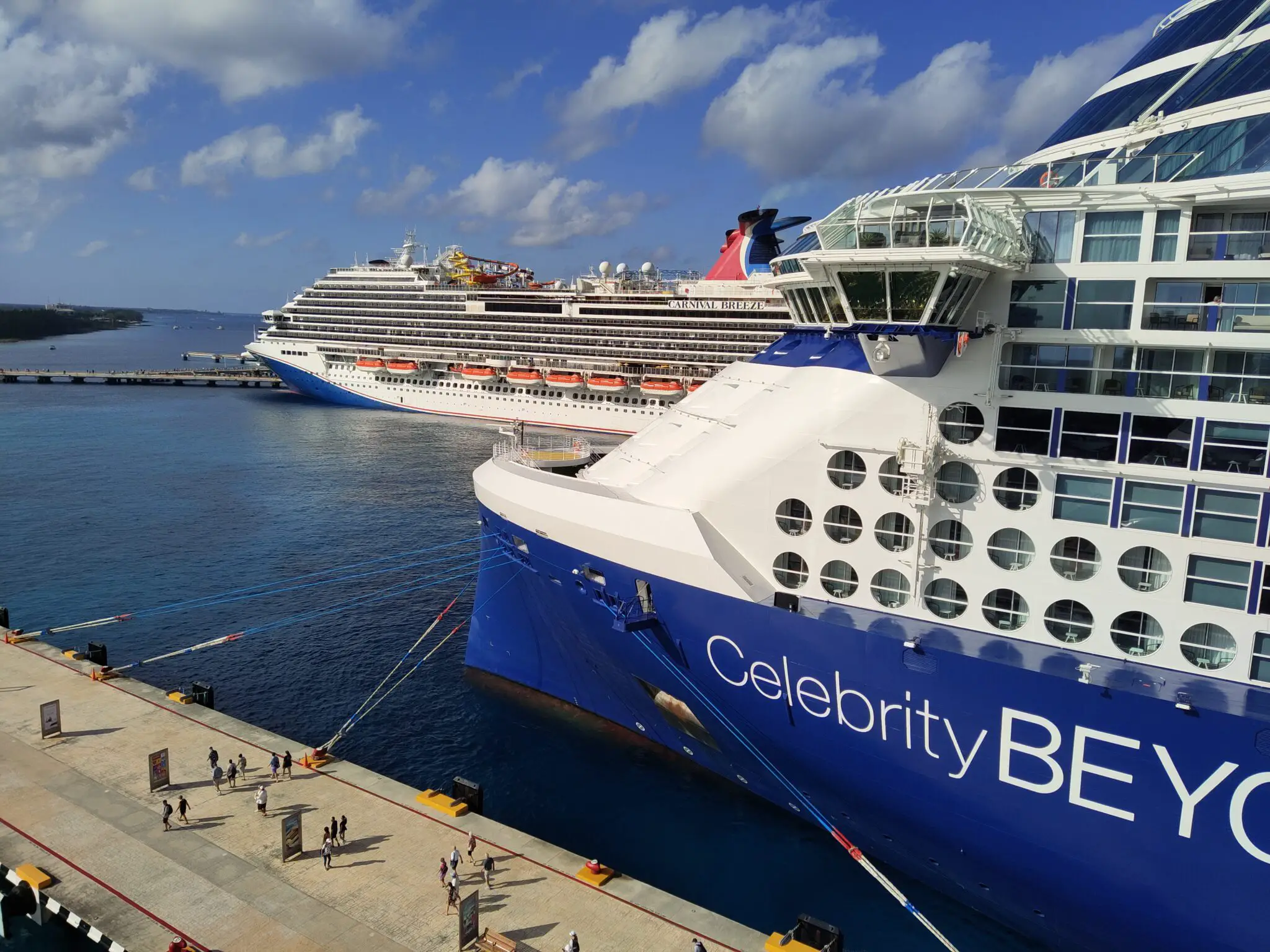
The honest answer: for cruise passengers who stick to established tourist areas, it is generally safe — but it requires more situational awareness in 2026 than it did a few years ago.
Cruise lines take port safety seriously. They continuously monitor conditions and will skip or substitute ports if they have safety concerns. This happened with Puerto Vallarta stops during the February 2026 unrest. Your cruise line is not going to dock at a port it considers genuinely dangerous — it's a significant liability and reputational risk for them.
Travel experts point out that cartels are actually incentivized to minimize their impact on tourism, because it's a major part of the Mexican economy. Most cartel violence is targeted at rival gangs or government forces — tourists are generally considered bad for cartel business. That said, the risk of being caught in the crossfire — as happened in Jalisco in February 2026 — is real even if the odds are low.
The U.K. Foreign Office notes that the Mexican government makes concentrated efforts to protect major tourist destinations like Cancún, Playa del Carmen, Cozumel, Los Cabos, Puerto Vallarta, and Nuevo Vallarta.
Practical Tips for Staying Safe at Mexican Ports
- Check current advisories before departure. The U.S. State Department advisory is updated regularly. So is the UK FCDO guidance. Conditions in Mexico can shift quickly — what was true three months ago may not be true today.
- Let your cruise line guide you. Most cruise lines will advise against flashy jewelry, large amounts of cash, and carrying your passport ashore (leave it in your cabin safe). Follow their guidance — they know these ports well.
- Stick to known tourist areas. The zones that see heavy cruise traffic tend to have a stronger security presence. Wandering into unfamiliar neighborhoods independently is where risk increases significantly.
- Book excursions through reputable operators. Whether through your cruise line or a well-reviewed independent operator, organized tours keep you in safe corridors. If you book independently, research the company carefully.
- Travel in groups. Especially relevant in any port — don't explore solo, particularly in the evening.
- Register with the Smart Traveler Enrollment Program (STEP). This free U.S. State Department service lets the Embassy contact you in an emergency and send real-time safety updates. Takes two minutes to sign up at step.state.gov.
- Leave your vape on the ship. As covered above — no exceptions, no matter the port.
- Don't buy street drugs. This one is simple: buying drugs in Mexico puts you directly in contact with cartel supply chains. It's the fastest way to turn a vacation into a crisis.
A Personal Note from Cozumel
In February 2023, we were on a cruise with a port of call in Cozumel. We left most cash on the ship, used a credit card for purchases, brought our own water, and stayed in a group throughout the day. We kept to the known areas — shops, lunch, some snorkeling at a beach club.
Everyone we encountered was genuinely friendly and helpful. We never once felt unsafe. That experience reflects what the majority of cruise visitors to Mexico's tourist ports report. Following the common-sense guidelines isn't a burden — it's just good travel practice anywhere in the world.
Final Thoughts
Mexico in 2026 is not a country to write off. It is, however, a country that rewards informed travelers and punishes careless ones more than most. The events of February 2026 in Jalisco were a reminder that cartel violence is unpredictable and can disrupt even well-traveled tourist corridors without warning.
For cruise passengers, the calculus is relatively favourable: you're arriving at controlled port facilities, guided by cruise lines that monitor safety closely, and generally spending time in zones with a security presence. Do your research, follow the guidelines, and Mexico will likely deliver exactly the warm, vibrant, memorable experience it's always been known for.
Planning a Mexico cruise? Browse port guides for Cozumel, Cabo San Lucas, Puerto Vallarta, and more.
Explore Mexico Port Guides →Frequently Asked Questions — Mexico Cruise Safety
Is it safe to cruise to Mexico in 2026?
For most cruise passengers visiting established tourist ports like Cozumel and Cabo San Lucas, it is generally safe. Puerto Vallarta requires more caution following cartel violence in February 2026 in Jalisco state. Check current U.S. State Department advisories before your trip and follow your cruise line's guidance at each port.
What happened with El Mencho and cartel violence in Mexico in 2026?
On February 22, 2026, Mexican military forces killed Nemesio "El Mencho" Oseguera Cervantes, leader of the Jalisco New Generation Cartel (CJNG). This triggered intense retaliatory cartel violence across Jalisco state, particularly around Puerto Vallarta and Guadalajara, including road blockades, vehicle fires, and flight disruptions. Several cruise lines temporarily skipped Puerto Vallarta. The situation stabilized within days, but the state remains on elevated watch.
Is Cozumel safe for cruise passengers?
Yes — Cozumel is consistently one of the safer Mexican cruise ports. It sits in Quintana Roo state on the Caribbean coast, which is geographically and operationally distinct from the cartel-affected states of western Mexico. Cruise operations in Cozumel continued normally even during the February 2026 unrest in Jalisco.
Can I bring my vape to a Mexican cruise port?
No. Mexico introduced a nationwide ban on vaping devices and e-cigarettes effective January 2026. Bringing a vape ashore at any Mexican port — even for personal use — is considered illegal importation. Penalties include confiscation, fines up to approximately $12,500 USD, and potential legal detention. Leave your vape locked in your cabin.
Should I book shore excursions through my cruise line or independently in Mexico?
Either can work, but do your research carefully if booking independently. Cruise line excursions provide the added security of the ship waiting for you if something goes wrong. Independent operators can offer better value and flexibility, but verify they are reputable and that your itinerary keeps you in established tourist areas.
Is it safe to drink the water in Mexican ports?
No — stick to bottled water. Tap water in Mexico can contain bacteria that cause illness, and this applies to ice and fresh produce washed in tap water. Bring bottled water from the ship when you go ashore, or purchase sealed bottled water or canned beverages at port. Don't take the risk.
Do I need vaccinations for a cruise to Mexico?
For most cruise passengers spending only a few hours ashore, routine vaccinations (measles, mumps, rubella, influenza) are generally sufficient. Check with your healthcare provider and your cruise line before travel, as requirements can vary based on your specific itinerary and activities planned.
What should I do if I feel unsafe at a Mexican port?
Trust your instincts and return to the ship or the port facility. Cruise terminals are generally secure, controlled federal zones. If you're on an excursion, inform your guide immediately. In an emergency, contact your cruise line's shore team — they maintain personnel at every active port of call.