Quick answer: A tender port is a stop where your cruise ship cannot dock at a pier. Instead, it anchors offshore and small boats called tenders carry passengers to land and back. Plan for waiting time, a boat ride of roughly 5 to 20 minutes each way, and a firm all aboard deadline.
Tender ports are common, and some of the world's most popular cruise stops work this way, including Grand Cayman and Santorini. If you cruise often enough, you will almost certainly have at least one on an itinerary. The experience is different from a regular port day, not worse, and knowing what to expect makes it much easier.
- What it is: A port where the ship anchors offshore and passengers go ashore by tender boat
- Boat ride: Often about 5 to 20 minutes, depending on the anchorage
- Tender boats: Usually the ship's own lifeboats or dedicated launches
- Priority boarding: Usually given to guests on ship booked excursions, and often to suite or premium guests
- Biggest risk: Rough seas can slow or suspend tendering
- Mobility: Boarding involves a gap and a moving boat, so ask your line in advance if you use a mobility device
- Return: Allow extra time and keep your ship card handy
Why Can't the Ship Just Dock?
Usually it comes down to the size of the ship, the depth of the water, the port's infrastructure, or all three. Some ports do not have a pier that can handle a very large cruise ship. Santorini is a well known example, where the steep, deep waters around the island make docking impractical for most ships. Grand Cayman has long been a tender port because it lacks a pier that can berth major cruise ships.
Other times a port does have a pier, but not enough berths for every ship in town. Ships that cannot get a berth anchor offshore and tender passengers in. That is why some ports are tender stops on one day and dock stops on another.
Common Tender Ports
These are well known examples, and they can change by ship and by day, so always confirm your itinerary:
- Grand Cayman, one of the busiest tender ports in the Caribbean
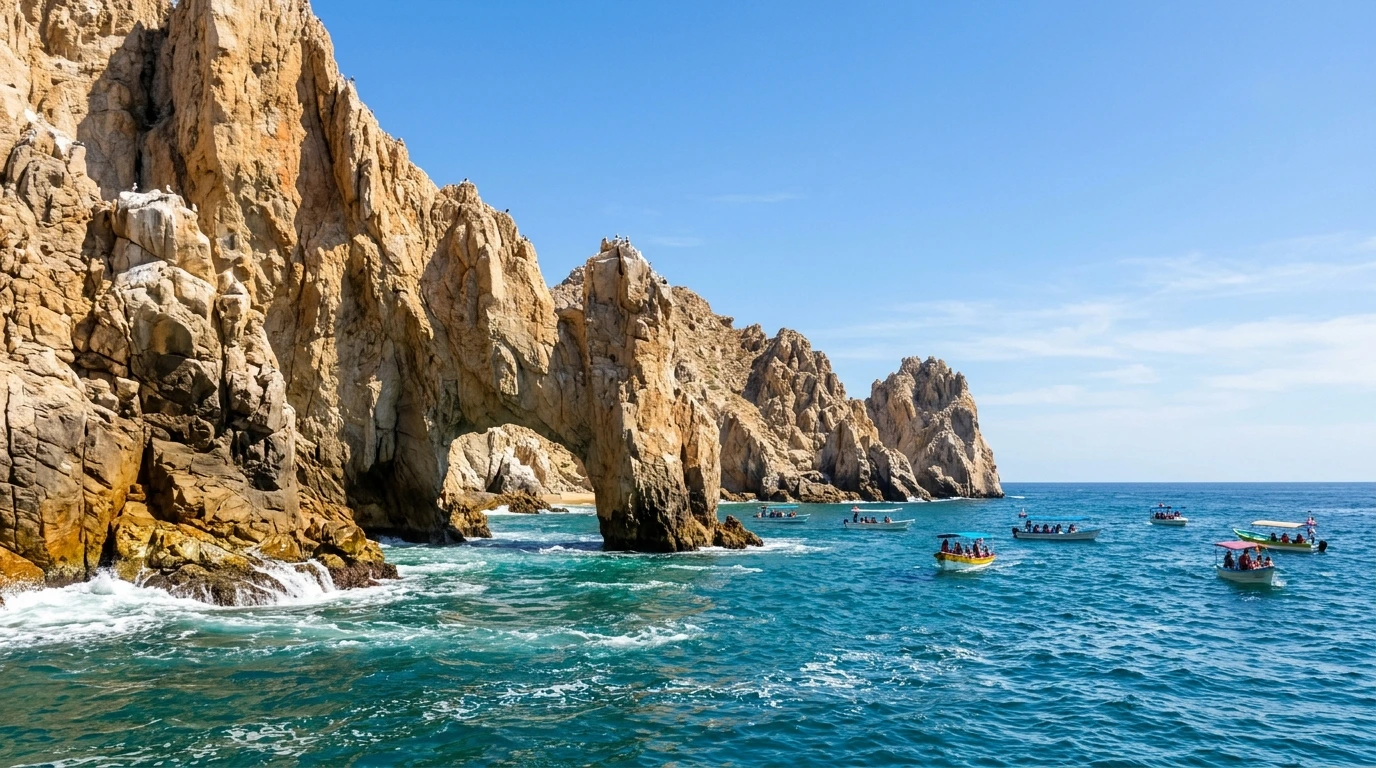
- Cabo San Lucas, Mexico
- Bar Harbor, Maine
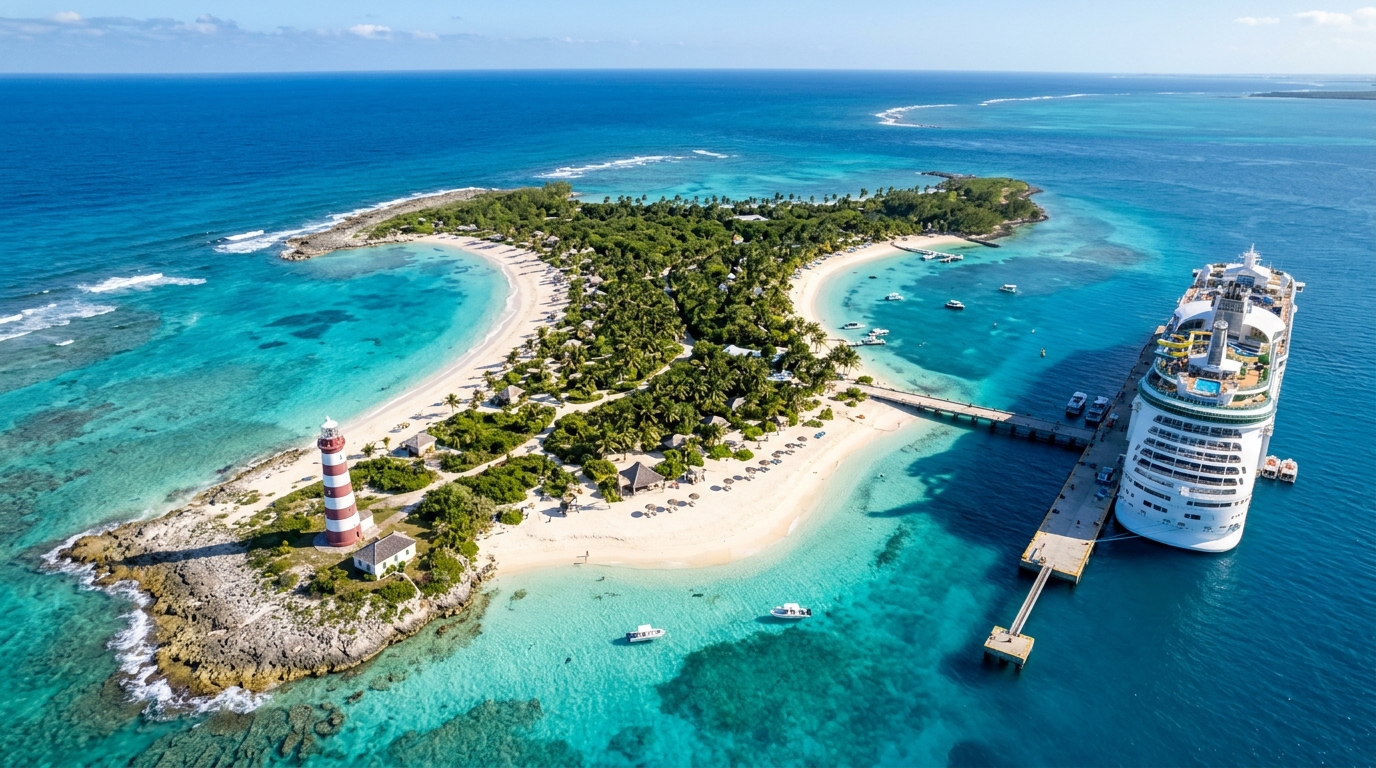
- Great Stirrup Cay, Bahamas
- Half Moon Cay, Bahamas, which is often a tender stop
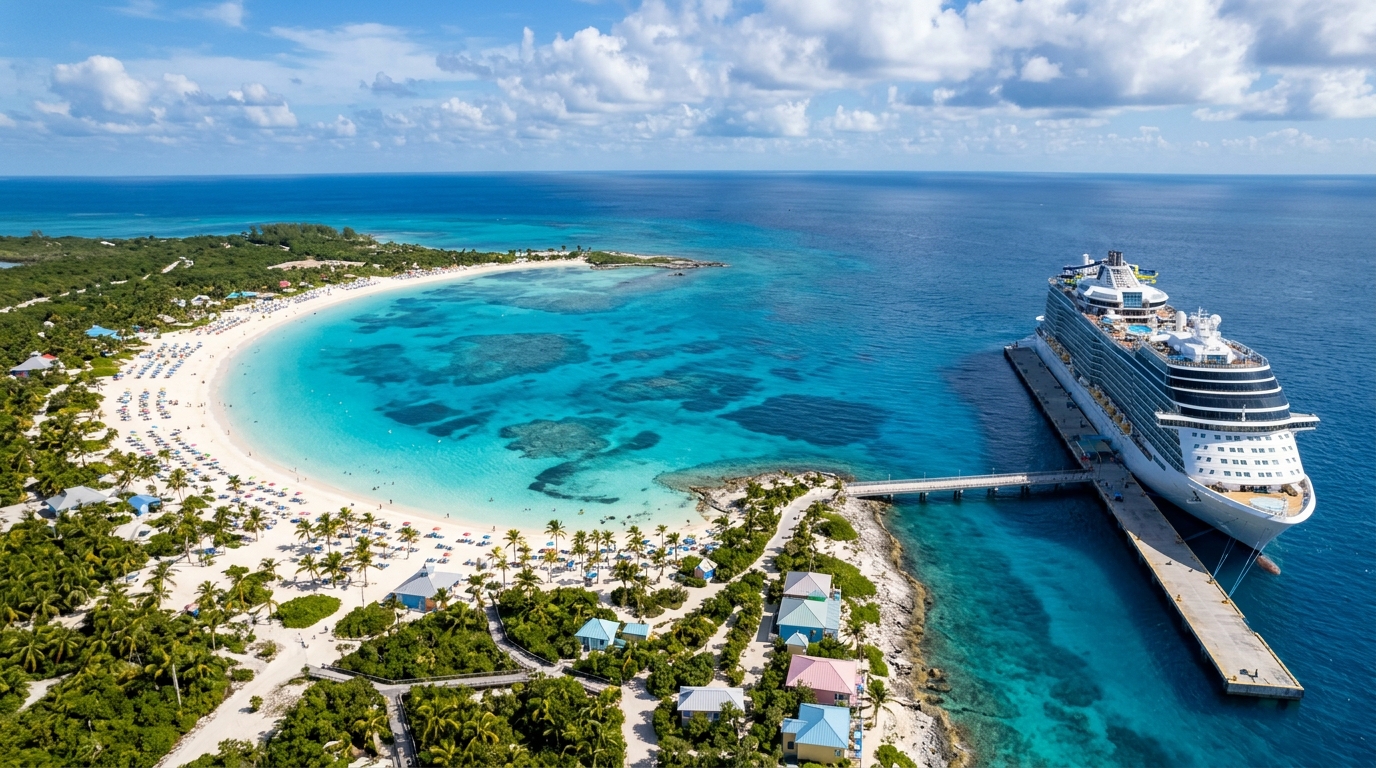
- Princess Cays, Bahamas, depending on the ship. See what to do at Princess Cays
- Sitka, Alaska, which often tenders. See what to do in Sitka
- Portland, Maine, where tendering is possible
- Santorini (Greece), Catalina Island (California) and Bora Bora (French Polynesia)
Your cruise line will identify tender ports in your booking documents and the daily program. Check your itinerary ahead of time, because it affects how you plan the day. You can browse more stops in the Caribbean cruise ports section.
How Tendering Actually Works
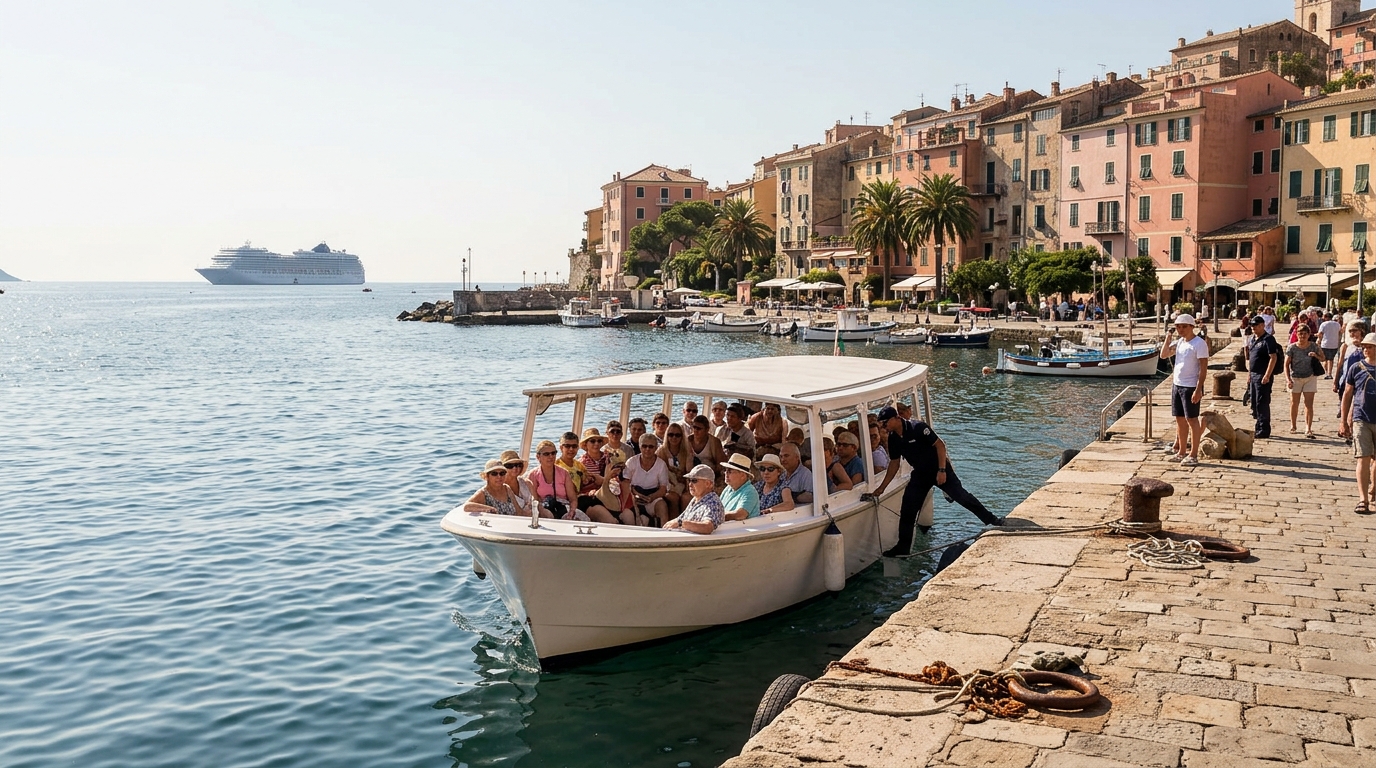
Tenders are typically the ship's own lifeboats or dedicated launches. Many carry roughly 100 to 150 passengers, though capacity varies by ship, and the ride usually takes about 5 to 20 minutes depending on how far offshore the ship anchors. Here is the usual flow on tender day:
- The ship announces when tendering begins, usually over the PA and in the daily program
- Guests on ship booked excursions are called first, often gathering in a lounge before boarding
- Everyone else collects a numbered tender ticket (or joins a virtual queue on some ships) and waits for their group
- Groups are called in order from the atrium or a designated area
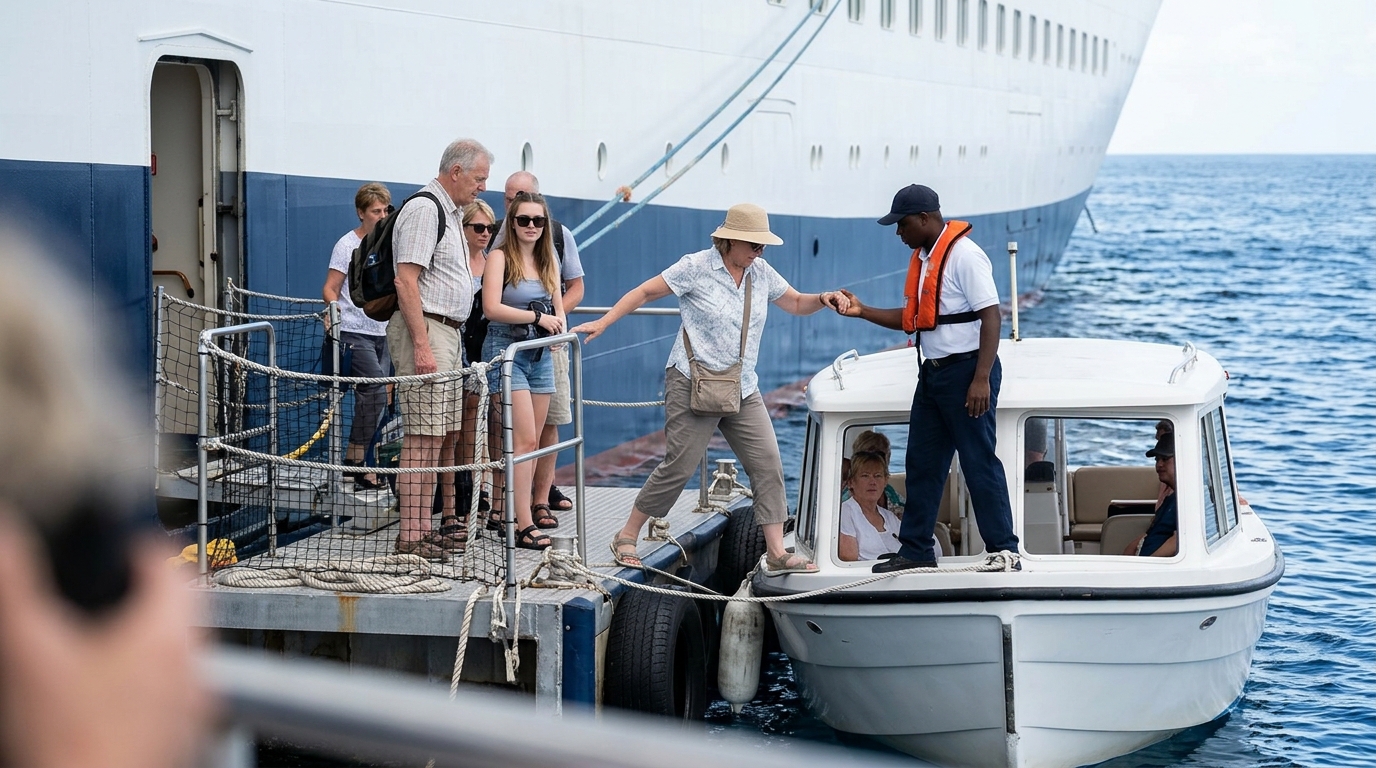
- You board at the tender platform, make the crossing and step off at the tender dock
The Easiest Way to Get an Early Tender
Book a ship excursion at that port. Passengers with cruise line excursion tickets are usually boarded first, before general boarding begins. Many lines also give priority to suite and premium guests. This is one of the few times booking through the ship is a real practical advantage. Browse shore excursions to compare your options.
If you are exploring on your own, get your tender ticket as early as possible. The first hour or two of tendering has the shortest waits, and people who sleep in often face a long line just to board.
Weather and Sea Conditions: The Real Wild Card
Tendering depends on sea state. In rough conditions boarding takes longer because passengers have to time a step across a moving gap. In moderate swell, tendering slows but usually continues. In severe conditions, the cruise line can suspend tendering entirely, and then nobody goes ashore. It does not happen often, but it is a real possibility at exposed anchorages, and ports such as Grand Cayman have had cancellations. The safety call belongs to the cruise line and the captain.
Check the forecast for your tender day if you can. If conditions look borderline, adjust your expectations and consider a backup plan onboard. If you are prone to motion sickness, our seasickness guide covers what works, and it is worth taking medication before you board a small boat.
Mobility Considerations
Most guides skip this. Boarding a tender means stepping from a floating platform onto a moving boat, and the boat moves even in calm conditions. For steady travelers it is rarely an issue. For wheelchair users, people with walking aids or anyone with balance challenges, it can be genuinely difficult.
Crew are experienced and will help, so ask for assistance without hesitation. Policies vary by line, though. Some require mobility devices to be foldable to go on a tender, some limit combined device and passenger weight, and on some days or ports tendering may not be possible for certain guests. If this applies to you, contact your cruise line's accessibility team before you sail and ask about the specific ports.
Getting Back to the Ship
All aboard time applies at tender ports just as it does at dock ports, and the ship will not wait if you miss the last tender. Allow at least 30 to 45 minutes from your final stop ashore to reach the tender dock, wait for a boat, make the crossing and board the ship. Crews usually keep running tenders until everyone is on board, but do not count on that. If you are curious about the worst case, read our guide on what happens if you miss your ship.
Watch the clock, especially if the tender dock is a short walk from town. Know your all aboard time before you leave the ship, and set an alarm if needed.
Tender Day Tips
- Wear comfortable flat shoes with grip, because you are stepping onto a moving boat
- Bring water if it is hot, and pack everything you need, since returning to the ship for a forgotten item means another tender ride
- Keep your ship card or ID handy for the return trip
- Sit by a window if you want photos of your ship at anchor
- Take motion sickness medication beforehand if you are prone to it
- Check WiFi and phone plans before you leave, since you may be ashore for hours
Dock Port vs. Tender Port at a Glance
| Feature | Dock port | Tender port |
|---|---|---|
| How you get ashore | Walk down the gangway | Board a tender boat |
| Waiting time | Usually short | Can be long at busy times |
| Weather impact | Rarely stops disembarking | Can slow or suspend tendering |
| Mobility access | Generally easier | Can be difficult, check with your line |
| Time ashore | Close to the full port call | Shorter once tender time is counted |
Plan the Rest of Your Cruise
- What happens if you miss your cruise ship
- How to prevent seasickness on a cruise
- Cruise ship WiFi guide
- How cruise onboard credit works
- What to do in St. George's, Bermuda
- What to do in Portland, Maine
- Alaska and Pacific Northwest ports
- Search cruises
- Cruise FAQs
Frequently Asked Questions
What is a tender port on a cruise?
A tender port is one where the ship anchors offshore instead of docking at a pier. Passengers are carried ashore and back by smaller boats called tenders, typically the ship's lifeboats or dedicated launches.
Which cruise ports require a tender?
Common tender ports include Grand Cayman, Santorini, Cabo San Lucas, Catalina Island, Bar Harbor and Bora Bora. Some ports tender on certain days and dock on others, so your itinerary documents are the best guide.
Can cruise ships cancel tenders because of weather?
Yes. If sea conditions make boarding unsafe, the cruise line can slow or suspend tendering, and passengers may not get ashore. It is uncommon but possible, especially at anchorages exposed to ocean swell.
How long does the tender process take?
The boat ride is often about 5 to 20 minutes. Total time from leaving your cabin to stepping ashore, including waiting for your group and boarding, can range from about 20 minutes in an early group to an hour or more at busy times.
Is it harder to tender with mobility issues?
It can be. Boarding means stepping across a gap onto a moving boat, and policies on wheelchairs and scooters vary by line. Crew will assist, but guests with significant mobility challenges should ask their cruise line about the specific port before sailing.
How do I get on an early tender?
Book a ship excursion, since those guests usually board first, or get your tender ticket as soon as tendering opens. Suite and premium guests often receive priority as well.