- The Costa Concordia struck rocks off Giglio, Italy on January 13, 2012, after deviating from its approved route, killing 32 of the approximately 4,200 people on board.
- Nearly 700 passengers had not completed a safety muster drill because rules at the time allowed drills up to 24 hours after departure — a loophole the disaster exposed.
- The disaster led to over 30 new industry-wide safety policies, including mandatory muster drills before departure, stricter bridge protocols, and shoreside monitoring of ship routes.
- Modern cruise safety practices you experience today — pre-sail muster drills, late-boarding briefings, extra life jackets on deck, and restricted bridge access — are direct results of this disaster.
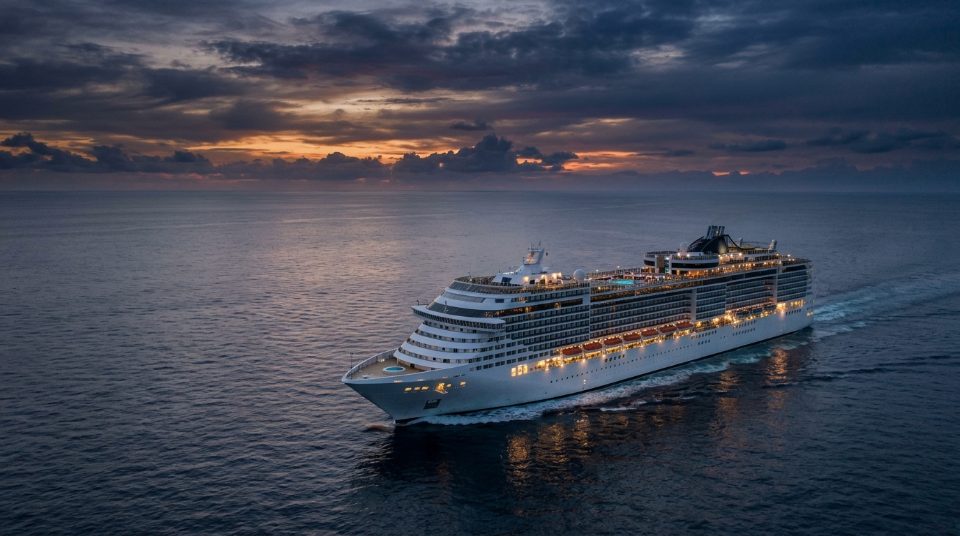
On the night of January 13, 2012, the cruise ship Costa Concordia struck a rock off the Italian island of Giglio, and a holiday cruise turned into one of the worst cruise ship disasters in modern history. Thirty-two people died. Almost every major safety rule you experience on a cruise today, from the muster drill on embarkation day to how the bridge is run, was shaped by what happened that night.
The quick facts
| Fact | Detail |
|---|---|
| Date | January 13, 2012 (a Friday) |
| Ship | Costa Concordia, a Costa Cruises ship of about 114,000 gross tons |
| Location | Off the island of Giglio, off the Tuscan coast of Italy |
| Route | A seven-day cruise that left Civitavecchia (Rome) that evening |
| People on board | About 3,200 passengers and 1,000 crew |
| Deaths | 32 |
| Cause | The ship struck rocks after leaving its planned route to sail close to Giglio |
What happened
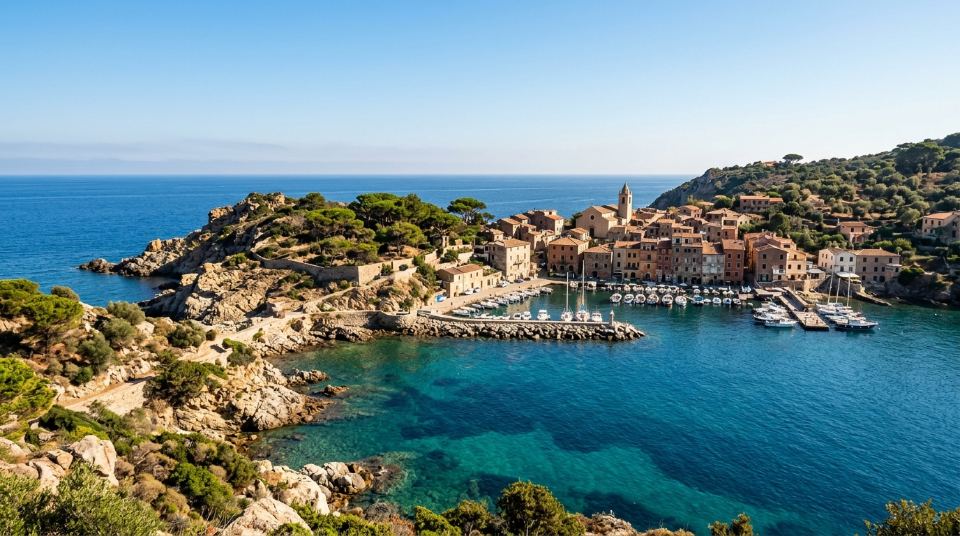
The Costa Concordia had left Civitavecchia, the port for Rome, a few hours earlier on a seven-day Mediterranean itinerary. Investigators and reports at the time said the ship departed from its approved route to sail close to the island of Giglio, a manoeuvre sometimes called a "salute" to the island's residents. The ship struck a rock in shallow water, and the hull was torn open. It lost power and drifted back toward the island, where it came to rest on its side.
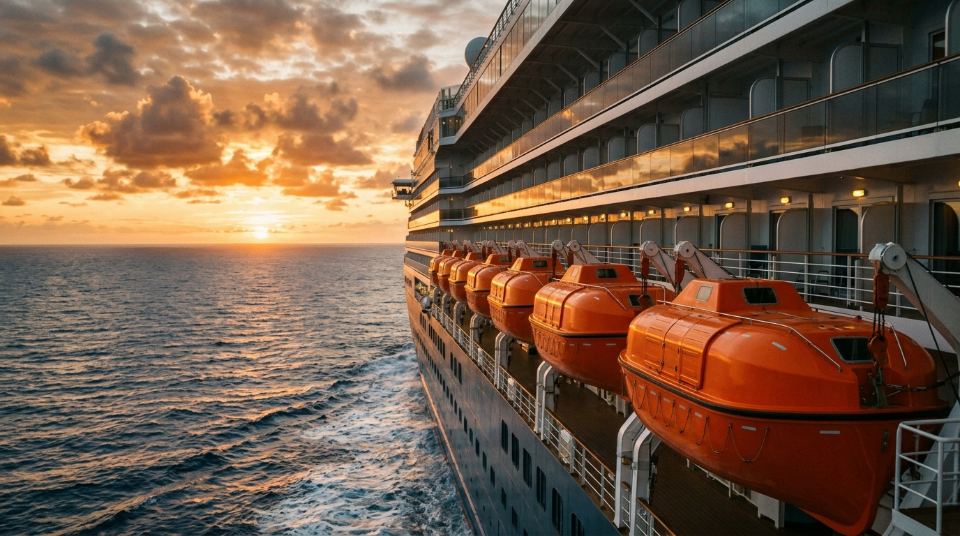
The evacuation was chaotic. The ship's angle made many lifeboats unusable, and passengers had to be rescued by other boats and by helicopter. Search and rescue continued for days. Thirty-two people lost their lives.
The ship's captain, Francesco Schettino, was widely criticized for leaving the ship before the evacuation was complete.
The muster drill problem
One detail from the disaster changed cruising for everyone: many passengers had not yet done a safety drill.
At the time, international rules (SOLAS, the Safety of Life at Sea convention) required a passenger muster drill within 24 hours of departure. Costa had scheduled its drill for the following day. About 696 of the passengers had boarded at Civitavecchia that same day and hadn't completed it when the ship struck the rock. Many of the passengers did not know what to do or where to go.
The ship wasn't breaking the rules. It was following them. That was the lesson.
What changed afterward
Within weeks, the cruise industry started changing its rules, and over the next couple of years more than 30 new policies were adopted across the industry, according to one summary.
| Before 2012 | After |
|---|---|
| The passenger muster drill could happen up to 24 hours after sailing | The drill must happen before the ship leaves port. Cruise Lines International Association (CLIA) members made this policy in early 2012, and it was later written into the international safety rules |
| Late-boarding passengers had no set procedure | Passengers who board after the drill must get a safety briefing |
| Bridge team decisions were less formal | The whole bridge team must agree on the ship's course before it leaves |
| Extra life jackets were not standard | More life jackets are stored on deck |
| Passengers could visit the bridge on some ships while the ship was manoeuvring | Visits are restricted when the captain needs to concentrate on navigating |
The industry also pulled its trade groups together into a single global association, CLIA, and set up a stronger focus on safety reviews. Many lines now use Bridge Resource Management, which encourages officers to challenge a captain's decisions, and shoreside monitoring of ship routes.
What you'll notice on your next cruise
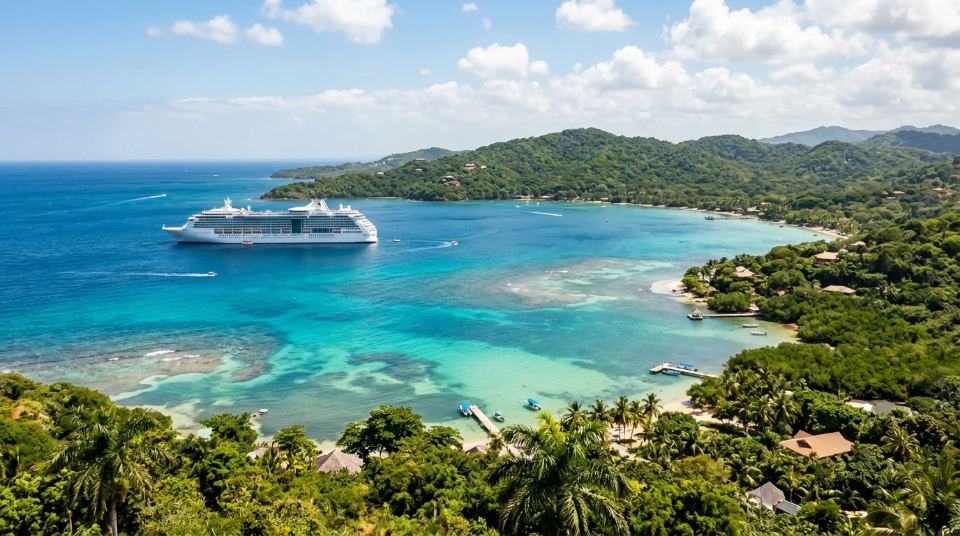
If you've been on a cruise recently, you've seen the results:
- A mandatory muster drill before the ship sails, where you scan your card and go to your muster station.
- A clear safety message on your cabin TV and on signage.
- Late-boarding briefings for guests who join after the drill.
- Life jackets and instructions in your cabin.
Some lines now let you watch the safety video on your phone or cabin TV before attending your station, but you still have to show up in person.
What happened to the ship
The wreck stayed on its side off Giglio for more than a year. It was upright again in a major salvage in September 2013, towed away and scrapped in Genoa.
Could it happen again?
Nothing in shipping is risk-free, but the combination of reforms makes a repeat of this specific chain of events much less likely. The big changes were making sure passengers know what to do before sailing, and making sure no single person on the bridge can decide a course alone.
How to stay safe on any cruise
- Go to the muster drill and pay attention. It takes about 20 minutes and it's the part of your cruise that matters most if something goes wrong.
- Learn your muster station and the route from your cabin.
- Find your life jacket and read the instructions.
- Know the two exits closest to your cabin.
- Keep your cruise card and a flashlight handy.
Plan the Rest of Your Cruise Safely
- Are Cruises Safe?
- Can Cruise Ships Tip Over or Sink?
- How Many Cruise Ships Have Sunk?
- Code Bravo: Lessons Learned during a Cruise Ship Fire
- What Is It Like Being a Cruise Ship Captain?
- What Happens on a Cruise if There Is a Hurricane or Storm?
- Embarkation Day Tips for Your Cruise
- 5 Tips for a Smooth Cruise Embarkation Day
- The Complete First-Time Cruiser Checklist
- Cruise FAQs
Frequently Asked Questions
What happened to the Costa Concordia?
On January 13, 2012, the ship struck a rock off Giglio, Italy, after leaving its planned route, and came to rest on its side. Thirty-two people died.
How many people died on the Costa Concordia?
Thirty-two.
Why didn't passengers know what to do?
Many had boarded earlier that day and hadn't yet completed the muster drill. The rules at the time allowed the drill to take place up to 24 hours after departure.
What safety rules changed after the Costa Concordia?
Passenger muster drills now take place before the ship sails, late-boarding guests get safety briefings, the whole bridge team must agree on the course, more life jackets are carried on deck, and bridge visits are restricted at key moments.
What happened to the captain of the Costa Concordia?
Captain Francesco Schettino was widely criticized for leaving the ship early and was convicted in Italy.
Is cruising safe today?
Cruising has a strong safety record overall, and the changes after the Costa Concordia disaster are a big part of that. Many of the safeguards you see on board today are a direct result.