- Puerto Quetzal's cruise terminal is a guarded, private facility considered safe, but Guatemala carries a US Level 3 'Reconsider Travel' advisory due to crime and terrorism risks in specific regions.
- Organized cruise-line excursions to destinations like Antigua are the safest option, using private vehicles and experienced guides, and the ship will wait if your group is delayed.
- Independent travel poses the highest risk, particularly using public buses, unlicensed taxis, driving at night, and hiking without a qualified local guide.
- Passengers should avoid flashy valuables, carry only small bills, stay with their group, and check the latest government travel advisories close to their sailing date as conditions can change quickly.
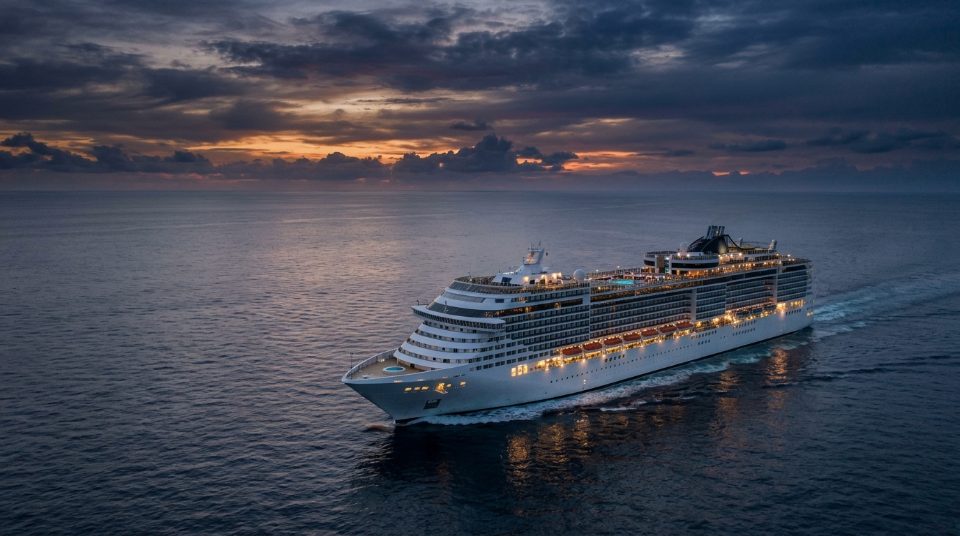
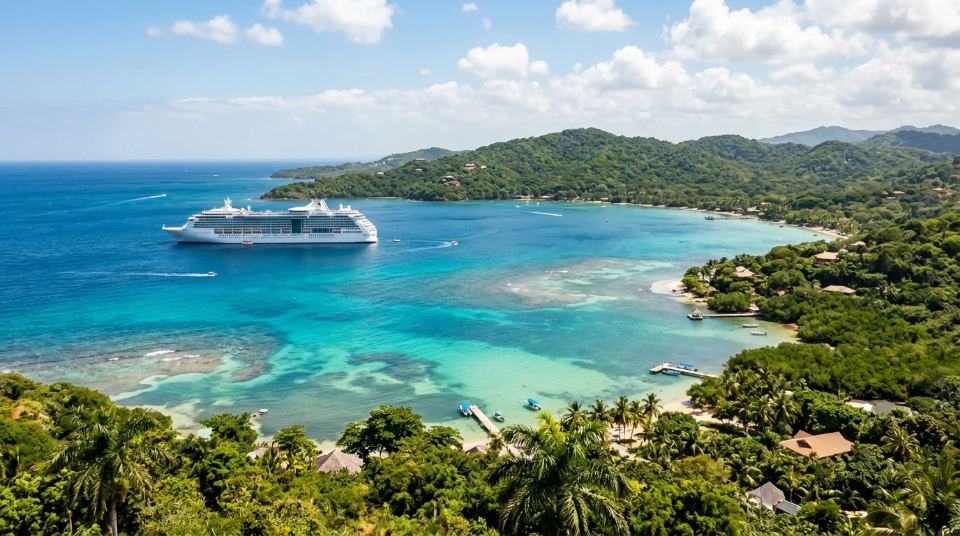
Puerto Quetzal is Guatemala's biggest Pacific port, and it shows up on Panama Canal, Central America and Mexican Riviera cruises. Most ships stay for a day, and most passengers head straight for the colonial city of Antigua. The question that brings people here is simple: is it safe?
The honest answer has two parts. The port and the standard excursions are well controlled. The country around them has real risks, and the governments of the US, Canada and the UK all say so.
The quick answer
- The cruise port itself is a guarded, private facility.
- Organized cruise excursions are the safest way to see Guatemala, and the usual choice for passengers.
- Guatemala has a Level 3 "Reconsider Travel" advisory from the US, mainly for crime and terrorism risks in specific regions.
- Independent travel is where most of the risk is, especially driving, public buses and walking around alone at night.
What governments say
| Government | Rating | What it says |
|---|---|---|
| United States | Level 3: Reconsider Travel (updated March 12, 2026) | Crime and terrorism risk from cartels and gangs. Level 4 "Do Not Travel" for San Marcos and Huehuetenango departments, Zone 18 in Guatemala City and the city of Villa Nueva |
| Canada | Exercise a high degree of caution, with regional advisories | Regional warnings for some Guatemala City zones, several municipalities and other areas. |
| United Kingdom | Advises against all but essential travel to parts of Guatemala | Regional advice. Travelling against it can affect travel insurance |
The US advisory is noteworthy for cruise passengers in one respect. It lists the Pacific coast areas in Santa Rosa and Escuintla (where Puerto Quetzal sits) among the places US government employees can still visit, along with Antigua, Lake Atitlán and Tikal. The Level 4 areas are in the west and in the Guatemala City area.
In January 2026 the situation was tense after coordinated gang attacks on police and prison riots. The US Embassy issued a security alert advising increased caution, and later lifted its shelter-in-place order for staff. Conditions can change, so check the advisory close to your sailing.
How safe is the port itself?
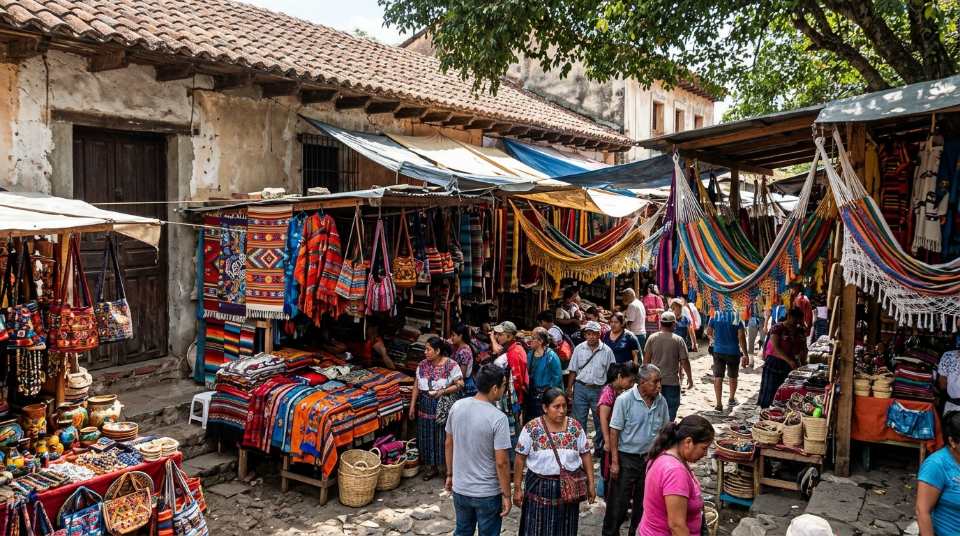
Puerto Quetzal is mostly a cargo port, with a separate guarded cruise area. The terminal is a private facility with security, and there is a market area at the pier where vendors sell crafts. Most vendors accept US dollars, and bargaining is expected. It's a place to browse, not to worry.
The port is also not much of a destination. There is little to do around it, which is why nearly everyone books an excursion.
What is the real risk?
The risks in Guatemala are about what happens outside the controlled areas.
- Opportunistic crime. The US State Department notes that tourists can become victims of scams, robbery and extortion.
- Road safety. Drivers and motorcycles often ignore stop signs and crosswalks, and driving at night is a risk.
- Public transport. US government employees are barred from white taxis and public "chicken buses" because of crime and accident risk.
- Hiking. The State Department warns against hiking trails or volcanoes without a qualified local guide, because robberies happen and help is hard to get.
The usual cruise excursions avoid most of that. They use private, air-conditioned vehicles, experienced guides and set schedules, and the ship won't leave without you if the group is delayed.
Staying safe on a Puerto Quetzal port day
- Book a cruise-line excursion or a vetted private tour. Ship excursions guarantee the ship waits if you run late.
- Stay with your group. Don't wander off alone in Antigua, especially in quiet streets.
- Avoid flashy jewelry, watches and phones. Don't show valuables in public.
- Avoid public ATMs. Carry small bills and only what you need.
- Don't use unlicensed taxis or public buses.
- Don't hike volcanoes or trails without a qualified guide.
- Keep drinks in view and decline invitations from strangers.
- Bring your passport (or a copy, as your cruise line advises), and keep a note of your ship's contact number.
- Check the time. The drive to Antigua is long, so don't cut your return to the ship close.
The US State Department also notes that cruise ship passengers are encouraged to travel with a US passport, since replacing one abroad is difficult.
What to do on an excursion
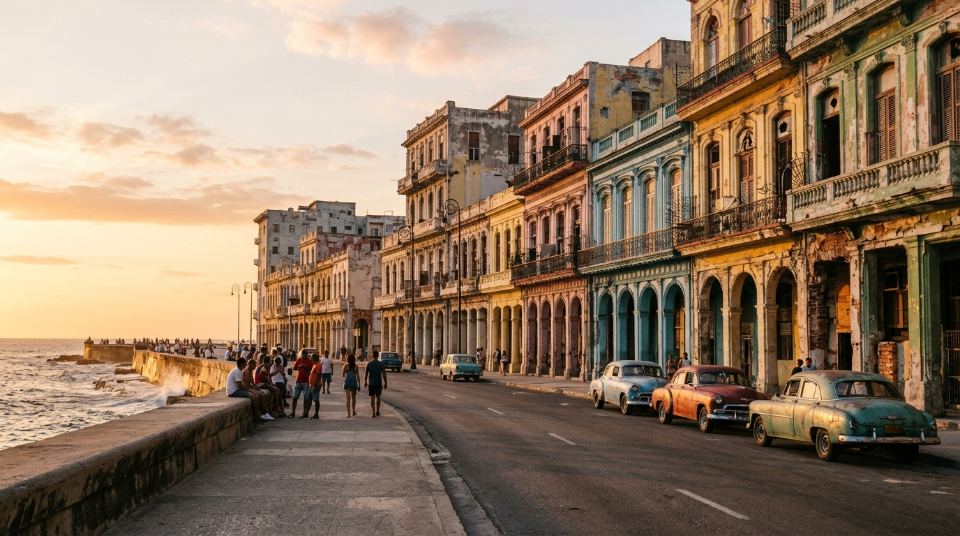
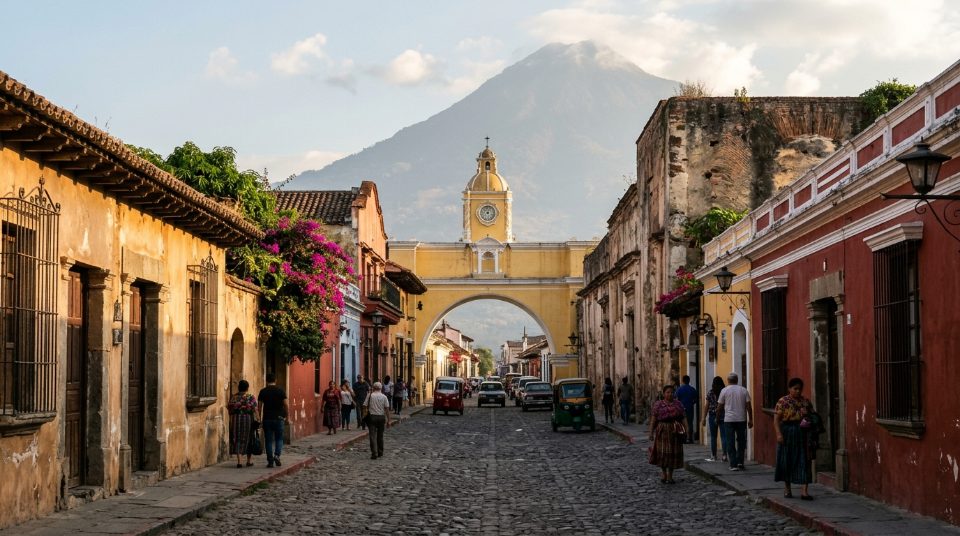
The most popular day trip is Antigua Guatemala, a UNESCO World Heritage city of cobbled streets, colourful colonial buildings and ruins, set among volcanoes. Other options include a coffee or chocolate workshop, a zipline, hot springs and a visit to a nature reserve. Ask your cruise line which tours run for your sailing.
Is Puerto Quetzal safe? The bottom line
With a ship-sponsored excursion, most passengers find Puerto Quetzal uneventful. The risk rises sharply if you head off on your own, drive yourself or use public transport. Guatemala has a Level 3 US advisory, so you should treat it as a place to be careful, not a place to relax your guard. If the advisory worries you, you can also stay near the ship or skip the port, since the stop is mostly a gateway to Antigua.
Plan the Rest of Your Central America Cruise
- Puerto Quetzal and Antigua Guatemala Cruise Port Guide
- Central & South America Cruise Ports
- Sailing Through the Panama Canal: What to Expect on a Cruise
- Is It Safe to Cruise to Mexico?
- Playing It Safe: Pack Some Caution When Going Ashore
- Are Excursions on a Cruise Ship a Good Idea?
- Do I Need a Passport to Go on a Cruise?
- Do I Need Travel Insurance for a Cruise?
- Cruise FAQs
Frequently Asked Questions
Is Puerto Quetzal safe for cruise passengers?
The cruise port is a guarded, private facility, and organized excursions are generally considered the safest way to see the area. Guatemala itself has a Level 3 "Reconsider Travel" advisory from the US, so extra care is wise.
What is the US travel advisory for Guatemala?
Level 3: Reconsider Travel, last updated March 12, 2026, because of crime and terrorism. Level 4 "Do Not Travel" applies to specific areas, including San Marcos and Huehuetenango departments, Zone 18 in Guatemala City and the city of Villa Nueva.
Is it safe to go to Antigua from Puerto Quetzal?
Most passengers go on cruise-line or vetted private tours, which are the safest way. Avoid going independently, especially by public bus or taxi.
What is there to do in Puerto Quetzal?
Very little at the port itself. Nearly everyone takes a tour to Antigua or another excursion.
Should I take a shore excursion or explore on my own?
Take a tour. Ship excursions use private transport and guarantee the ship will wait for you.
Do I need a passport on a Puerto Quetzal cruise?
Yes, bring it as your cruise line instructs. US officials note that replacing a passport abroad is difficult, so take care of it.