Quick answer: Glacier Bay is a scenic cruising day, not a port. Your ship does not dock, nobody goes ashore on a standard cruise, and you spend roughly 8 hours sailing slowly up a national park while a National Park Service ranger narrates. Get to the bow early, dress for 30s to 50s, and bring binoculars.
Glacier Bay is unlike every other stop on an Alaska itinerary. There is no pier, no tender line, no shore excursion lineup and no shopping district. Instead you glide through a UNESCO World Heritage Site and U.S. national park, past tidewater glaciers and steep fjord walls, with the ship doing the work for you. For a lot of travelers it ends up being the best day of the whole trip.
- Type of stop: Scenic cruising. Passengers on standard cruises stay on the ship.
- Time in the park: About 8 hours, sometimes closer to 10 depending on the ship and schedule
- Time at the glacier: Usually around 1 hour, up to 2 on some sailings
- Main glaciers: Margerie Glacier (very active) and Grand Pacific Glacier, both in Tarr Inlet. Some ships visit Johns Hopkins Glacier instead or as well.
- Ranger: A National Park Service ranger boards at Bartlett Cove and narrates over the ship's speakers
- Deck temperatures: Roughly 30s to 60s Fahrenheit depending on the month, colder with wind at the bow
- Best viewing spot: The bow or an upper forward deck, claimed early
- Connectivity: Limited. Plan for patchy or no signal in the bay.
How a Glacier Bay Day Works
Ships enter Glacier Bay from Icy Strait, stop briefly near Bartlett Cove to pick up the park rangers, then spend several hours sailing about 65 miles up the bay before turning around and retracing the route. Expect the full loop to take roughly 8 hours. Many onboard activities pause so everyone can be on deck or at a window.
The ranger narration is one of the best parts. You get the geology, the story of how fast the ice has retreated (the bay was filled with glacier ice only about 250 years ago) and a running guide to wildlife as it appears. Many lines also run ranger talks indoors, and kids can often earn a Junior Ranger badge that is offered only here.
Margerie Glacier
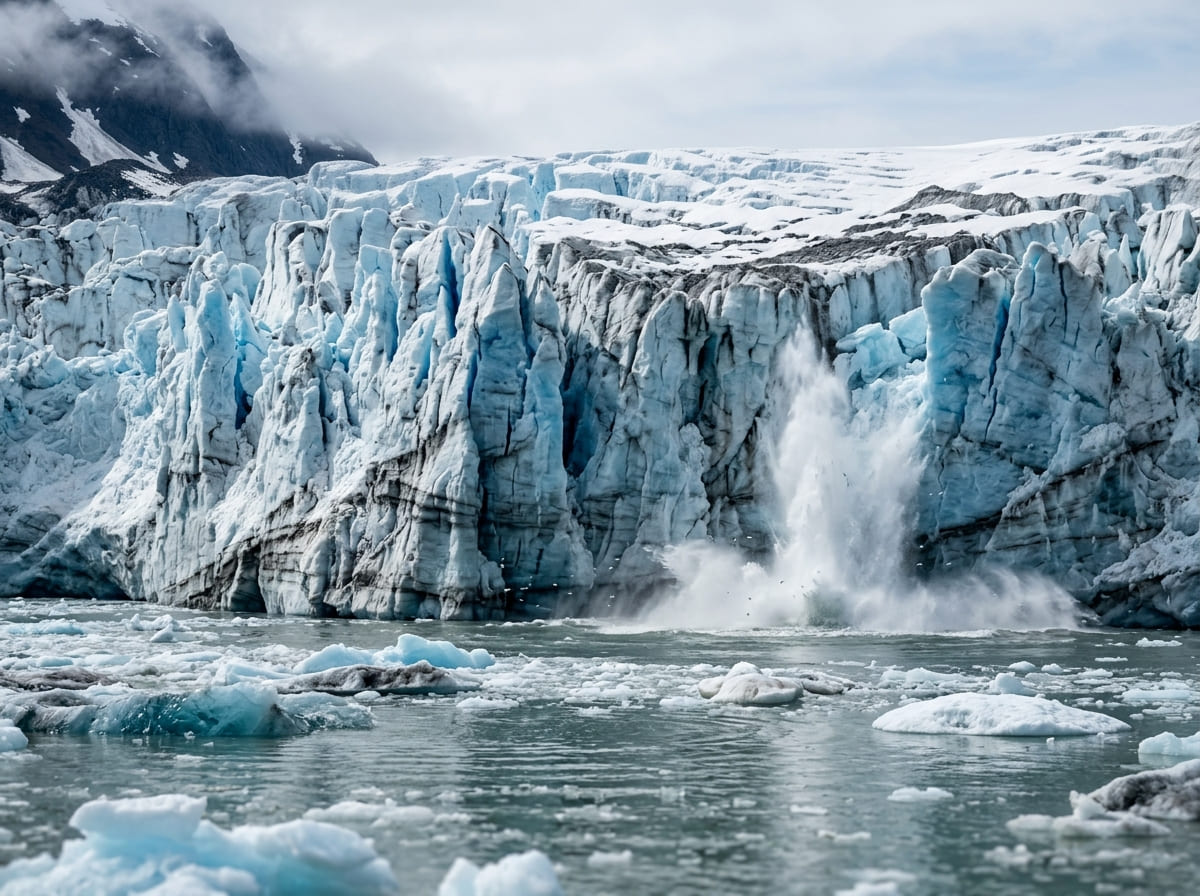
Margerie is the headline act. It is a tidewater glacier, meaning it ends directly in the water, and it is one of the most active ice faces in the park. "Calving" is when chunks of ice break off and crash into the sea. Timing is unpredictable, but if you stay and watch for a while you have a good chance of seeing it. The sound often arrives a moment after the sight, a deep crack followed by a rumble and splash.
Most captains rotate the ship slowly in place near the glacier face, so passengers on both sides get a turn with the best view. That matters for the side of the ship question below.
Grand Pacific and Johns Hopkins
Grand Pacific Glacier sits beside Margerie. Where it meets the water it is dark and covered in rock debris, so it can look more like a gravel slope than a glacier, but it is a huge glacier that extends into Canada. Johns Hopkins Glacier is one of the few glaciers in the park that is still advancing. Which one your ship visits depends on ice conditions, the line's permit and the captain's plan for the day, so do not be surprised if the itinerary notes vary between lines.
Which Side of the Ship Is Best?
The honest answer: there is no permanent best side. Going in and out of the bay, the better side changes with the route, the wildlife and the captain's course, and at the glacier most ships rotate so both sides get a view.
- Bow or forward upper deck: The best single spot. Views in every direction, and you can move to whichever side has the action.
- Listen for announcements: The cruise director or bridge will usually say which side is better at each stage.
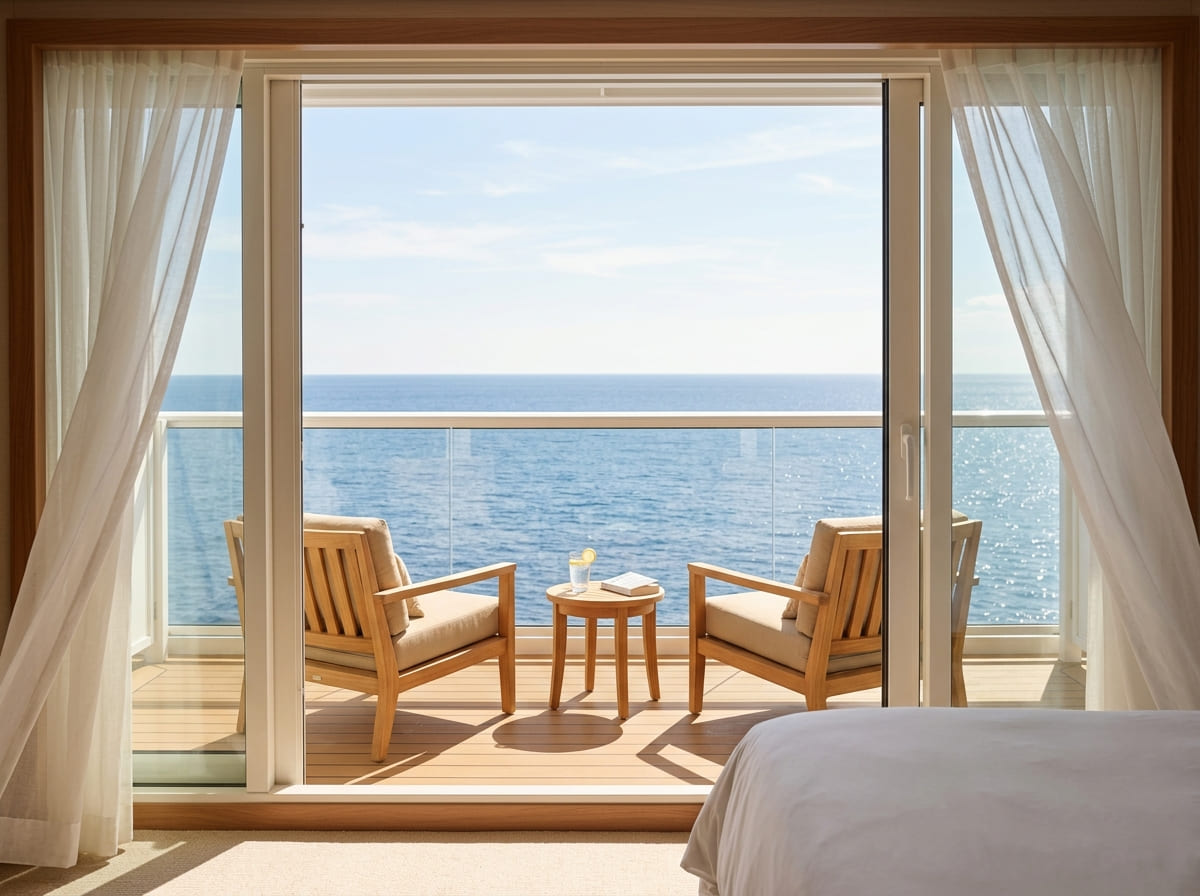
- Cabin side: It matters much less than it seems. If you have a balcony, bring a chair outside for the glacier, but spend time on the open decks too. If you are booking a guaranteed cabin, you cannot choose a side anyway, so do not stress about it.
The trade-off at the bow is cold and wind. Have your layers on before you go up, because saving a spot is easy to do and hard to redo once the deck fills.
Wildlife You Can Realistically See
Glacier Bay is productive water, but sightings are never guaranteed. Here is what people commonly report from the ship:
- Humpback whales: Common in the lower bay in summer
- Orcas: Seen here, but less predictably
- Harbor seals: Often resting on ice floes near the glacier faces
- Sea otters: Floating on their backs, usually closer to shore
- Bears: Occasionally spotted on the shoreline, usually through binoculars
- Mountain goats: On steep slopes if you scan carefully
- Bald eagles: Common throughout
Binoculars are worth bringing on deck. The distance from rail to shore is real, and animals that look like specks to the naked eye become obvious with magnification. For more wildlife focused days, the Icy Strait Point stop is where most itineraries give you a chance to go whale watching on a small boat.
What to Wear on Deck
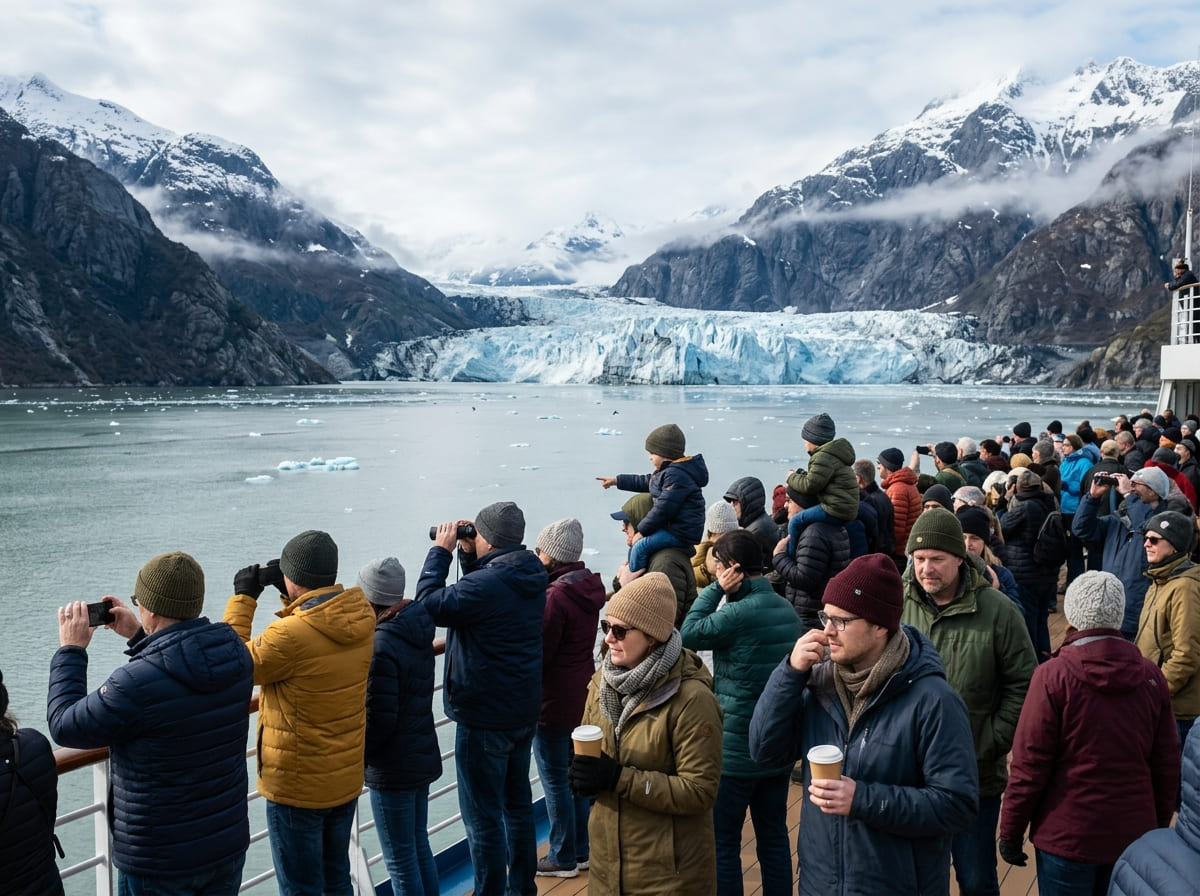
People consistently underestimate how cold it is on deck, even in July and August. Inside the ship it feels comfortable, but outside, especially at the bow, you can expect temperatures anywhere from the 30s in spring and fall to the 50s or low 60s in midsummer, with extra wind chill from the ship moving.
- Base layer plus a fleece or mid layer
- Waterproof, windproof outer shell
- Warm hat and gloves (yes, even in summer)
- Scarf or neck gaiter
- Comfortable shoes with grip, since decks can be damp
You do not have to stay outside the whole time. Many ships have large windows and forward facing lounges with good views. If you want the sound of the glacier, though, outside is where you hear it. Pairing your layers with a pre trip look at the cruise budget calculator is also smart if you still need to buy gear.
Photography Tips
The glacier face is bright white, so your camera may underexpose it. If you shoot manually, brighten the exposure slightly from what the meter suggests. For calving, there is no reliable way to predict a fall, so keep a longer focal length ready, use burst mode and be patient. For wildlife, use the longest lens you have, and bring spare batteries because cold drains them faster. Phone users should wipe the lens regularly, since spray and condensation are common.
Can You Get Off the Ship or Go Kayaking?
On standard cruise ship itineraries, no. The National Park Service tightly limits activity in the bay, so large ships do not offer landings or kayaking from the ship. Small expedition style vessels and lodge based trips can operate differently, but those are specialized itineraries, not the programs most travelers book. If you want a hands on glacier experience, look at shore excursions in nearby ports such as Juneau, where helicopter and glacier trips are common, or browse the Alaska shore excursions page.
Staying Connected in the Bay
Cell service in Glacier Bay is limited to nonexistent, and satellite WiFi on ships can be slower when everyone is online at once. If you plan to share photos live, read our cruise ship WiFi guide before you buy a package. Many people simply save posting for the evening and spend the day on deck. If you have onboard credit to spend, a hot chocolate or coffee delivered to the deck is the best use of it that day.
Glacier Bay Compared With Other Alaska Glacier Days
| Stop | Type | What you do |
|---|---|---|
| Glacier Bay | Scenic cruising in a national park | Watch from the ship with ranger narration |
| Tracy Arm Fjord | Scenic cruising in a fjord | Narrow walls, waterfalls and ice near the glaciers |
| College Fjord | Scenic cruising on some northbound or southbound routes | A cluster of glaciers named for colleges |
| Juneau | Port with excursions | Glacier walks, helicopter tours and whale watching |
Plan the Rest of Your Alaska Itinerary
- Alaska and Pacific Northwest cruise ports
- What to do in Juneau on a cruise day
- What to do in Ketchikan on a cruise day
- What to do in Skagway on a cruise day
- What to do in Sitka on a cruise day
- What to do in Whittier on a cruise day
- What to do in Victoria, BC on a cruise day
- Seattle cruise port guide
- Vancouver cruise port guide
- Seward cruise port guide
- What to expect on disembarkation day
- Search Alaska cruises
- Cruise FAQs
Before you go, you can confirm park rules and current visitor information on the official National Park Service Glacier Bay page.
Frequently Asked Questions
Can you get off the ship at Glacier Bay?
Not on standard cruise itineraries. Glacier Bay is a national park and UNESCO World Heritage Site with tightly controlled access, so passengers on large cruise ships stay on board for the entire scenic cruising day. Some small expedition vessels and lodge based trips operate differently, but that is not what most cruise travelers book.
Which side of the ship is best for Glacier Bay?
There is no fixed best side. The bow or a forward upper deck is the best single spot because you can move to whichever side has the view, and at the glacier most ships rotate so both sides get a turn. Listen for announcements from the bridge or cruise director.
How long is a ship in Glacier Bay?
Expect about 8 hours in the park, sometimes closer to 10, including roughly an hour or two at the glacier. Exact timing depends on your ship and the day's plan.
What wildlife can you see in Glacier Bay on a cruise?
Common sightings include humpback whales, harbor seals on ice, sea otters and bald eagles. Orcas, bears and mountain goats are seen less predictably, usually with binoculars. Sightings vary by day and season.
Is Glacier Bay worth getting up early for?
Yes. The ship enters the bay early, the forward decks fill quickly and the ranger narration begins as you move in. Arriving on deck before the glaciers appear gives you the best choice of spots.
What should I wear on deck at Glacier Bay?
Dress in layers: a base layer, a fleece, a waterproof and windproof shell, a hat and gloves. Temperatures on deck range from the 30s to the 60s depending on the month, and the wind at the bow makes it feel colder.